-
Shop
- Advanced Technologies
- AI Skills
- Apple Accessories
- Arts, Crafts & Hobbies
- Bathroom
- Beauty
- Best-Sellers
- Car Accessories
- Car Buying & Ownership
- Confidence
- Dating & Social Skills
- Digital Resources
- Education & Learning
- Family & Parenting
- Fashion
- Alexander McQueen
- Bags & Wallets
- Balenciaga
- Belts
- Blazers
- Bottega Veneta
- Bottoms
- Brunello Cucinelli
- Burberry
- Chanel
- Chloé
- Dior
- Dolce & Gabbana
- Dresses
- Etro
- Fendi
- Gucci
- Hats & Hair Accessories
- Hoodies & Sweatshirts
- Jacquemus
- Jewelry
- Jil Sander
- Jimmy Choo
- Kiton
- Luggage
- Men's Fashion
- Miu Miu
- Off-White
- Outerwear
- Prada
- Rick Owens
- Saint Laurent
- Scarves
- Shoe Accessories
- Shoes
- Skirts
- Socks & Tights
- Sunglasses
- Sweaters & Cardigans
- The Row
- Tom Ford
- Tops & Shirts
- Valentino
- Valentino Garavani
- Versace
- Vivienne Westwood
- Watches
- Fashion Accessories
- Furniture
- Gadgets
- Gift Ideas
- Gifts
- Health & Beauty
- Health & Wellness
- Home & Garden
- Home & Kitchen
- Home Electronics
- Home Styling & Organization
- Home Supplies
- Kids & Babies
- Kids & Babies
- Kitchen
- Lighting
- Nike
- Parenting & Child Development
- Patio, Lawn & Garden
- Personal Growth
- Personal Style & Fashion
- Pet Care
- Pet Lifestyle & Wellness
- Pet Supplies
- Pets
- Sport & Outdoors
- Super Deals
- Travel
- Travel & Adventure
- Wealth
- Wellness
- Popular
- Best deals
Cute Animal Drain Rack Soap Dish for Bath & Kitchen
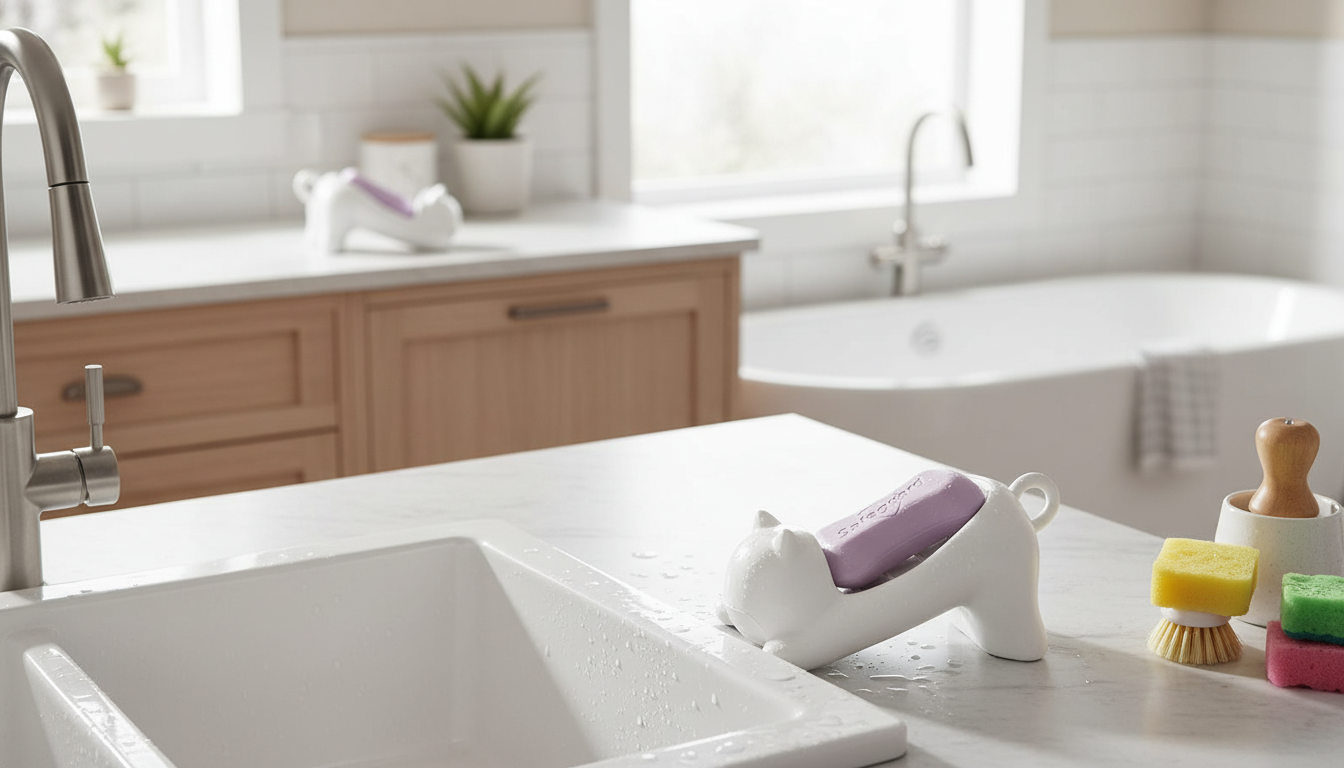
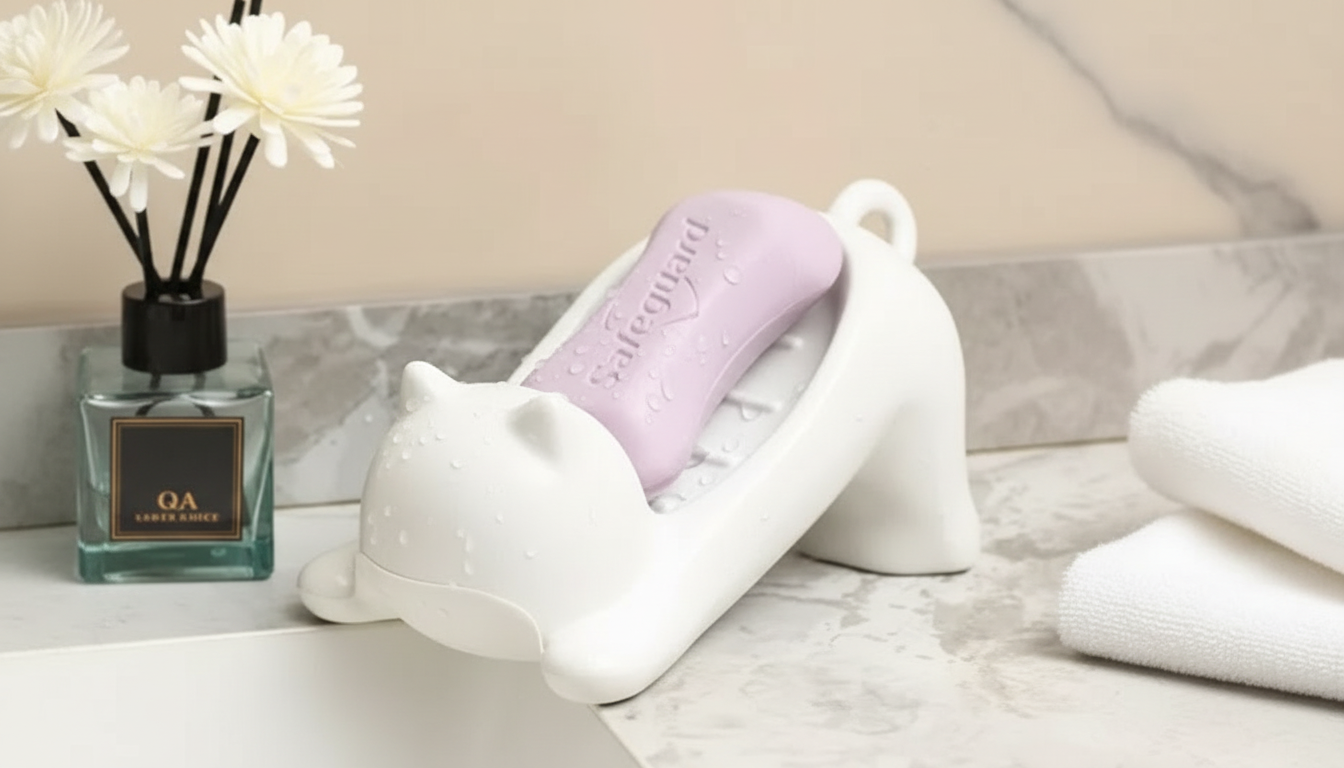
Animal Shape Plastic Soap Dish with Drain Rack for Bathroom & Kitchen
A soap dish should keep bars dry, reduce mess around the sink, and stay easy to clean. This animal-shaped plastic soap dish adds a playful touch while using a raised drain rack to help water run off, so soap lasts longer and counters look tidier in bathrooms and kitchens. Whether you’re switching from liquid hand soap to bars or simply trying to stop that slippery “soap puddle” around the faucet, a well-designed dish can make the daily routine feel cleaner and more organized.
What Makes This Soap Dish Different
Most soap holders do one thing well: they either look nice or they manage water. This style aims to do both, keeping the sink area functional while adding a small decorative detail that feels at home in guest bathrooms, kids’ spaces, and everyday kitchens.
- Animal-shaped design adds a fun accent without sacrificing daily function.
- Raised drain rack helps water drain away from the soap bar to reduce sogginess.
- Plastic build is lightweight, easy to rinse, and less prone to chipping than ceramic.
- Works for bar soap, small sponges, dishwashing bars, and solid shampoo bars (size-dependent).
If you’re setting up a sink-side station, you can pair this organizer with a simple routine: rinse, drain, and let the bar dry between uses. For a closer look at the product details, see Animal Shape Plastic Soap Dish with Drain Rack for Bathroom & Kitchen.
Drain Rack Benefits for Drier, Longer-Lasting Soap
Bar soap performs best when it has time to dry out. When a bar sits in standing water, it softens, smears onto the tray, and disappears faster than it should. A raised rack changes that by lifting the soap above pooled water and encouraging drainage after each use.
- Improves airflow around the bar, helping it dry between uses.
- Keeps the soap lifted above pooled water, reducing mushy residue.
- Helps minimize sticky buildup on the tray surface, making cleanup faster.
- Useful near frequently used sinks where water splashes are common.
Quick Comparison: Flat Tray vs. Drain Rack Dish
| Feature | Flat Soap Tray | Drain Rack Soap Dish |
|---|---|---|
| Water management | Water collects under soap | Water runs off; soap stays elevated |
| Soap longevity | Bar softens faster | Bar stays firmer longer |
| Cleaning effort | More residue to scrub | Less residue; easier rinse |
| Countertop mess | More pooling and drips | Reduced pooling; tidier area |
Keeping soap accessible supports consistent handwashing habits, especially in high-traffic areas like kitchens and shared bathrooms. For general guidance on handwashing practices, the CDC offers clear recommendations here: https://www.cdc.gov/handwashing/.
Where It Fits Best: Bathroom and Kitchen Setups
This type of dish is flexible enough to move wherever a bar needs a cleaner “home.” The key is placing it where water can drain and where it won’t get constantly blasted by the faucet stream.
- Bathroom sink: keeps hand soap bars from dissolving on wet countertops.
- Shower shelf: helps solid shampoo/conditioner bars dry (ensure stable placement on your surface).
- Kitchen sink: suitable for dish soap bars or small scrub sponges to reduce countertop puddles.
- Kids’ bathroom: playful shape can encourage handwashing routines.
For kitchens, it’s especially helpful when a dishwashing bar alternates with a sponge—set the bar on the rack, then rest a small sponge at the edge to drip-dry instead of soaking the counter.
How to Use for the Best Drain and Cleanest Counter
Small placement tweaks make a noticeable difference. If the holder is tilted or trapped in a corner where water can’t escape, even a good drain rack can end up sitting in a puddle.
- Place the dish on a level surface so water can run off rather than pool.
- After heavy splashes, rinse the rack and tray to prevent soap scum buildup.
- If using in the kitchen, keep it slightly away from direct faucet stream to reduce constant soaking.
- Occasionally lift and wipe the area underneath to prevent moisture rings on delicate surfaces.
For extra neatness, match the dish to a “dry zone” on the counter: a consistent spot where soap, brush, or sponge always goes. That simple habit cuts down on drips migrating across the sink area.
Care and Cleaning
Plastic soap dishes are low-fuss, but they still benefit from quick, regular rinses—especially in hard-water areas where minerals and soap residue can cling to surfaces.
If you prefer using cleaners with safer ingredient standards, the EPA’s Safer Choice program is a helpful reference for selecting cleaning products: https://www.epa.gov/saferchoice.
A Simple Upgrade for Tidier Sinks
To round out a sink refresh, consider adding a complementary item that supports a more enjoyable routine. If you like scented soaps and want to better understand fragrance profiles (for picking soaps, candles, or home scents), explore A Guide to Understanding Scent Notes – Beginner-Friendly Fragrance Ebook | Fragrance Notes Explained for Beginners.
FAQ
Will a drain rack soap dish really make bar soap last longer?
Yes—keeping the bar elevated and letting water drain away helps it dry between uses, which reduces softening and waste. Results vary based on humidity and how wet the sink or shower area stays throughout the day.
Can this be used in the kitchen for a dish soap bar or sponge?
It can work well for a dish soap bar or a small sponge, especially near a frequently used sink where splashes are common. Place it slightly away from the direct faucet stream and rinse it regularly to prevent greasy film buildup.
How do you clean plastic soap dishes to prevent soap scum?
Rinse with warm water often, then wash with mild dish soap and a soft brush when residue builds up. Avoid abrasive scrubbers that can scratch plastic, and let the dish air-dry fully after cleaning.
Recommended for you



Was this article helpful?
Yes
No








Leave a comment