-
Shop
- Advanced Technologies
- AI Skills
- Apple Accessories
- Arts, Crafts & Hobbies
- Bathroom
- Beauty
- Best-Sellers
- Car Accessories
- Car Buying & Ownership
- Confidence
- Dating & Social Skills
- Digital Resources
- Education & Learning
- Family & Parenting
- Fashion
- Alexander McQueen
- Bags & Wallets
- Balenciaga
- Belts
- Blazers
- Bottega Veneta
- Bottoms
- Brunello Cucinelli
- Burberry
- Chanel
- Chloé
- Dior
- Dolce & Gabbana
- Dresses
- Etro
- Fendi
- Gucci
- Hats & Hair Accessories
- Hoodies & Sweatshirts
- Jacquemus
- Jewelry
- Jil Sander
- Jimmy Choo
- Kiton
- Luggage
- Men's Fashion
- Miu Miu
- Off-White
- Outerwear
- Prada
- Rick Owens
- Saint Laurent
- Scarves
- Shoe Accessories
- Shoes
- Skirts
- Socks & Tights
- Sunglasses
- Sweaters & Cardigans
- The Row
- Tom Ford
- Tops & Shirts
- Valentino
- Valentino Garavani
- Versace
- Vivienne Westwood
- Watches
- Fashion Accessories
- Furniture
- Gadgets
- Gift Ideas
- Gifts
- Health & Beauty
- Health & Wellness
- Home & Garden
- Home & Kitchen
- Home Electronics
- Home Styling & Organization
- Home Supplies
- Kids & Babies
- Kids & Babies
- Kitchen
- Lighting
- Nike
- Parenting & Child Development
- Patio, Lawn & Garden
- Personal Growth
- Personal Style & Fashion
- Pet Care
- Pet Lifestyle & Wellness
- Pet Supplies
- Pets
- Sport & Outdoors
- Super Deals
- Travel
- Travel & Adventure
- Wealth
- Wellness
- Popular
- Best deals
Waterproof Sunshade Canopy Tent: Camping to Glamping
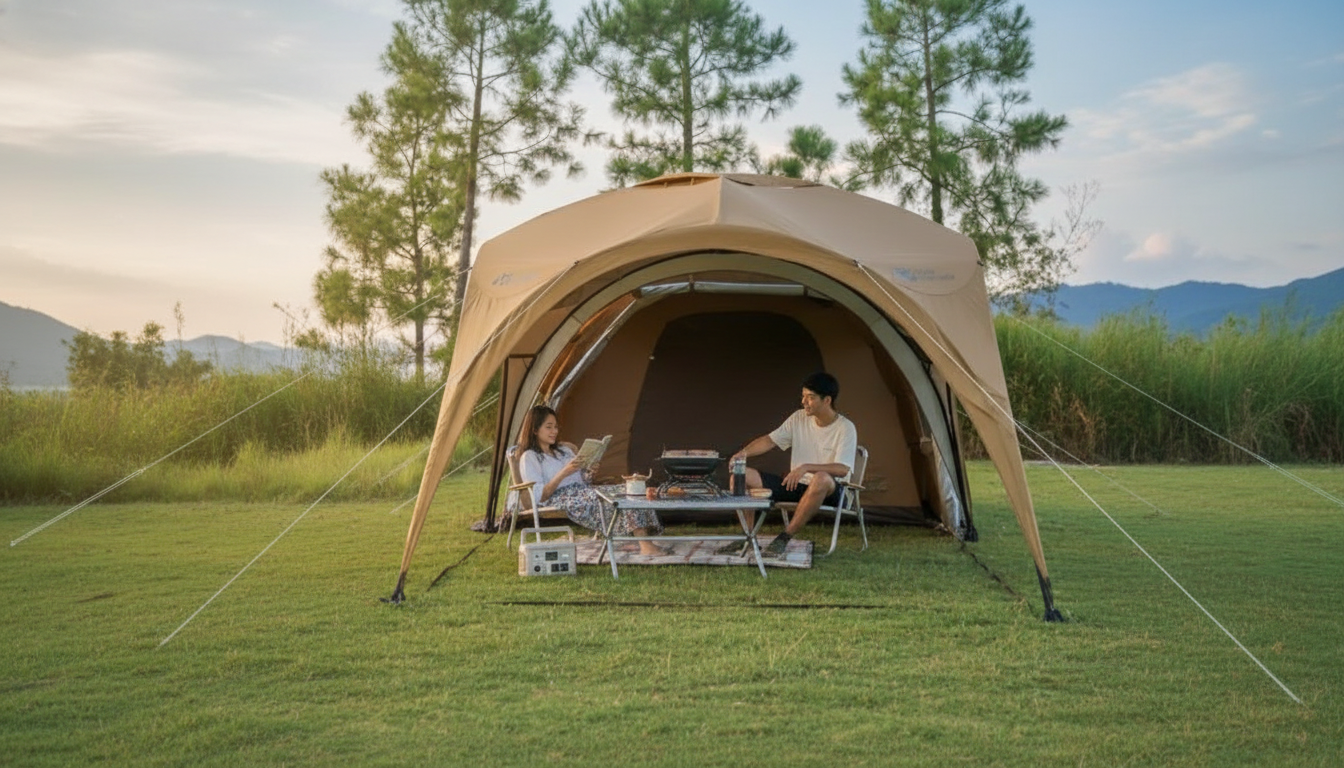
Waterproof Sunshade Canopy Tent for Camping and Glamping
A waterproof sunshade canopy adds a comfortable “outdoor living room” to camp—cool shade at midday, a dry cover during surprise showers, and a welcoming space for meals, lounging, and gear. This guide breaks down what to look for, how to set it up for real weather, and how to use it for both rugged camping and more styled glamping stays. For more guidance, see Camping Canopy Tent Camping Dome Shelter … – Ardmore Rotary.
What a waterproof sunshade canopy changes at camp
A good canopy does more than block sunlight. It shapes how your campsite functions by creating a reliable central zone that stays usable through shifting weather. For further reading, see Best Ultralight Tarp Tents for Every Outdoor Adventure.
- Creates a dedicated shaded zone for cooking, eating, and relaxing—especially helpful during peak sun hours.
- Adds rain-ready coverage so chairs, coolers, and bags stay drier during brief showers.
- Improves comfort for kids, pets, and anyone sensitive to heat or strong sun exposure.
- Helps keep a tent cooler by providing a shaded staging area for ventilation breaks and gear sorting.
- Supports glamping layouts: a central canopy can anchor rugs, lanterns, side tables, and seating.
For sunny destinations, it also supports smarter sun safety habits. The UV Index can climb quickly even on hazy days, so it’s worth checking local conditions through the NOAA/NWS UV Index before you head out.
Key features to prioritize for camping and glamping
Many canopies advertise “weather protection,” but details matter. A camping-ready canopy should handle hot sun, short rain bursts, and the occasional gust without turning setup into a constant repair job.
- Waterproof canopy fabric and sealed stitching: look for rain-shedding construction, not just “water-resistant” labeling.
- UV protection: aim for a canopy designed to block a large portion of UV radiation for midday comfort.
- Stable frame and tensioned shape: a taut pitch sheds water better and flaps less in wind.
- Guy points and anchor options: multiple tie-outs and compatible stakes/ropes make a big difference on uneven or sandy ground.
- Height and footprint: choose a size that fits your group seating plus a buffer for moving around without brushing the edges.
- Packability: consider whether the canopy will be carried short distances or strictly transported by car.
Quick checklist for a weather-ready canopy setup
| What to check | Why it matters | Practical target |
|---|---|---|
| Waterproof rating / construction | Determines whether light rain beads off or soaks through | Waterproof fabric with reinforced seams |
| UV protection | Reduces sunburn risk and heat buildup under shade | High UV-blocking canopy material |
| Tie-out points | Improves stability and keeps fabric tensioned | Multiple tie-outs on corners and sides |
| Frame strength | Resists bending in gusts and maintains shape | Sturdy poles and secure joints |
| Ventilation features | Helps prevent heat trapping and reduces condensation | Vented peak or airflow gaps |
| Footprint vs. campsite space | Avoids crowding and improves usability | Enough area for seating + walk paths |
How to set it up for sun, rain, and wind
The best canopy in the world won’t perform if it’s pitched in a puddle zone or left loose enough to flap itself to failure. A few practical adjustments make a big difference.
- Site placement: choose flat ground with good drainage; avoid natural runoff channels where water could pool or rush through.
- Sun angle planning: orient the canopy to cast shade where seating will be during the hottest hours; adjust as needed.
- Rain-shedding pitch: keep fabric tensioned and slightly angled so water runs off instead of pooling on top.
- Wind strategy: face a lower side into prevailing wind when possible; add guy lines early rather than after gusts start.
- Anchoring tips by ground type: use longer stakes for soft soil, consider sand/snow anchors for loose terrain, and add weight where staking is limited.
- Lightning and severe weather: a canopy is not a shelter during storms—pack it down when thunder or dangerous winds are possible.
If you’re camping in popular areas, keep your setup tidy and low-impact: minimize trenching or ground disturbance, and follow the Leave No Trace 7 Principles when choosing where and how to anchor.
Comfort upgrades that make it feel like glamping
Care, packing, and storage
Waterproof Sunshade Canopy Tent for Camping and Glamping: what to expect
For campers who want a dependable covered common area, the Waterproof Sunshade Canopy Tent for Camping and Glamping is designed to deliver comfortable shade and rain coverage for campsite lounging, meals, and gear protection. It performs best when anchored securely and tensioned properly, especially as wind shifts and weather changes.
If you’re planning trips specifically to avoid the worst heat (and make canopy time even more enjoyable), Enjoyable Summer Destinations Without the Heat is a handy companion for finding cooler, more comfortable getaway ideas.
At-a-glance details
| Item | Details |
|---|---|
| Product | Waterproof Sunshade Canopy Tent for Camping and Glamping |
| Price | 420.32 USD |
| Availability | In stock |
| Product page | https://valorane.com/waterproof-sunshade-canopy-tent-for-camping-and-glamping/ |
FAQ
Can a waterproof canopy replace a tent in the rain?
No. A canopy provides overhead cover but not full protection from wind-driven rain, cold, bugs, or ground moisture, so it’s best as a communal shelter or over a vestibule/gear area, and it should be packed down in severe weather.
How can pooling water on top of a canopy be prevented?
Keep the fabric tensioned and pitch it with a slight angle so water runs off. Add extra guy lines where possible, adjust pole positions if the design allows, and check during steady rain so small sags don’t become heavy pools.
Is UV protection under a canopy enough to prevent sunburn?
UV-blocking fabric reduces exposure, but reflected light (from water, sand, or pale rock) and side exposure can still cause sunburn. Use sunscreen and hats, and pay attention to the local UV Index.
Recommended for you


Was this article helpful?
Yes
No






Leave a comment