-
Shop
- Advanced Technologies
- AI Skills
- Apple Accessories
- Arts, Crafts & Hobbies
- Bathroom
- Beauty
- Best-Sellers
- Car Accessories
- Car Buying & Ownership
- Confidence
- Dating & Social Skills
- Digital Resources
- Education & Learning
- Family & Parenting
- Fashion
- Alexander McQueen
- Bags & Wallets
- Balenciaga
- Belts
- Blazers
- Bottega Veneta
- Bottoms
- Brunello Cucinelli
- Burberry
- Chanel
- Chloé
- Dior
- Dolce & Gabbana
- Dresses
- Etro
- Fendi
- Gucci
- Hats & Hair Accessories
- Hoodies & Sweatshirts
- Jacquemus
- Jewelry
- Jil Sander
- Jimmy Choo
- Kiton
- Luggage
- Men's Fashion
- Miu Miu
- Off-White
- Outerwear
- Prada
- Rick Owens
- Saint Laurent
- Scarves
- Shoe Accessories
- Shoes
- Skirts
- Socks & Tights
- Sunglasses
- Sweaters & Cardigans
- The Row
- Tom Ford
- Tops & Shirts
- Valentino
- Valentino Garavani
- Versace
- Vivienne Westwood
- Watches
- Fashion Accessories
- Furniture
- Gadgets
- Gift Ideas
- Gifts
- Health & Beauty
- Health & Wellness
- Home & Garden
- Home & Kitchen
- Home Electronics
- Home Styling & Organization
- Home Supplies
- Kids & Babies
- Kids & Babies
- Kitchen
- Lighting
- Nike
- Parenting & Child Development
- Patio, Lawn & Garden
- Personal Growth
- Personal Style & Fashion
- Pet Care
- Pet Lifestyle & Wellness
- Pet Supplies
- Pets
- Sport & Outdoors
- Super Deals
- Travel
- Travel & Adventure
- Wealth
- Wellness
- Popular
- Best deals
Bear Fleece Dog Jacket: Warm Fit, Sizing & Layering Tips
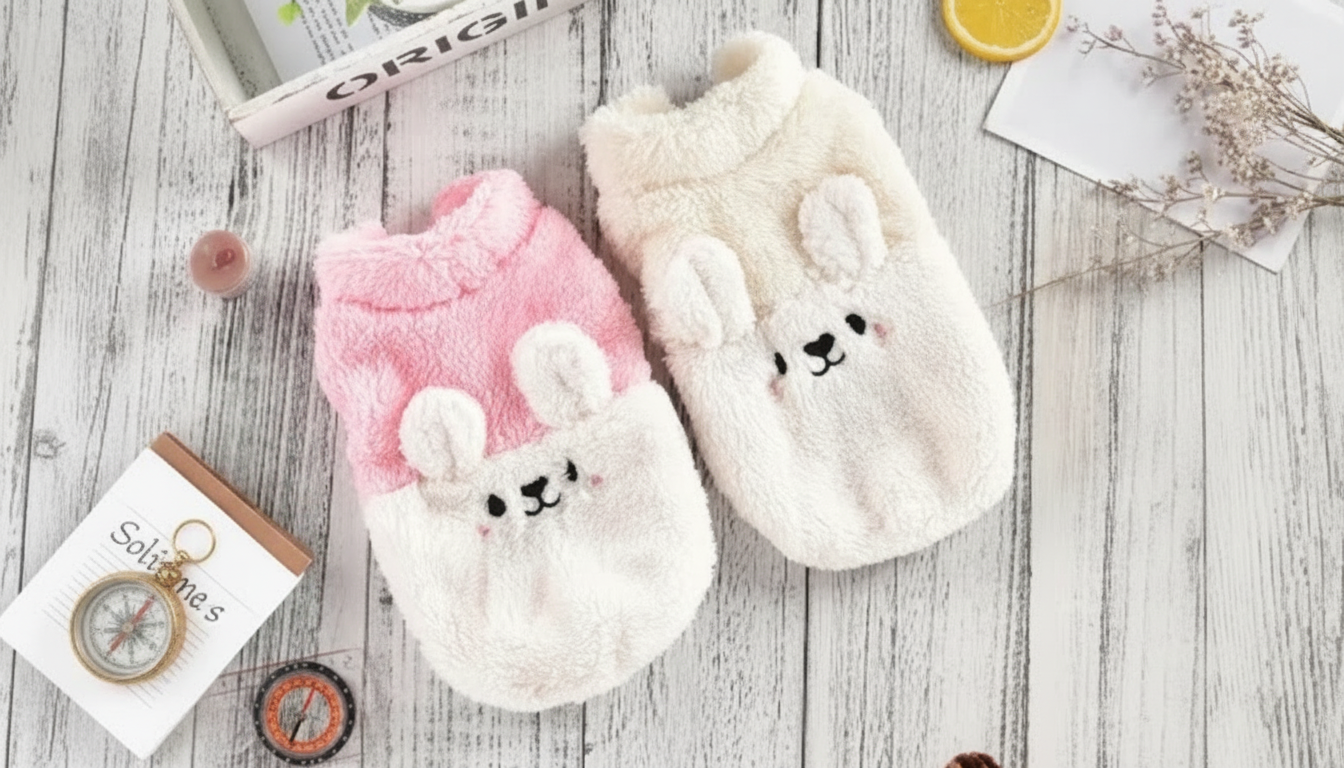
Cozy Fleece Bear Dog Jacket – Winter Warm Apparel
Cold walks can turn uncomfortable fast for small dogs, short-haired breeds, seniors, and pups that dislike chilly wind. This fleece bear-style jacket adds an extra layer of warmth while keeping movement easy for everyday potty breaks, neighborhood strolls, and weekend outings. For more guidance, see Winter Pomeranian Care Tips –.
What makes this bear fleece jacket a cold-weather favorite
- Soft fleece layer designed to help retain body warmth on cool days
- Bear-inspired look that doubles as a cozy, easy-to-spot outer layer
- Comfort-focused fit intended to allow natural walking, sitting, and sniffing
- Quick on/off convenience for short outdoor trips and indoor lounging
- Works well as a standalone layer in mild winter or as a mid-layer under a rain shell when needed
When a dog jacket helps most
- Chilly morning and evening walks when temperatures drop quickly
- Dogs with short coats, low body fat, or a history of shivering outdoors
- Senior dogs that may need help staying comfortable during slower walks
- Puppies still adjusting to outdoor temperature changes
- Indoor drafty homes where a light layer can keep lounging comfortable
Cold tolerance varies widely by breed, coat type, age, and health. For broader winter safety guidance, the American Veterinary Medical Association (AVMA) cold-weather pet safety and American Kennel Club (AKC) winter tips are helpful references. For further reading, see Pomeranian Clothes Guide: When to Dress Your Pom and What to ….
Sizing and fit: getting comfort without restriction
A warm jacket only helps when it fits well. Too tight can restrict breathing and stride; too loose can twist, rub, or let cold air funnel in.
- Measure the dog’s chest girth at the widest point; this is typically the most important measurement
- Measure back length from the base of the neck to the base of the tail for overall coverage
- If between sizes, choose the option that fits the chest comfortably without compressing the ribcage
- Check leg clearance and armpit area so the jacket doesn’t rub during walking
- After putting it on, confirm the dog can sit, turn, and step forward freely
Quick fit checklist for a fleece dog jacket
| Fit area | What to check | Good sign |
|---|---|---|
| Chest | Two fingers should slide under the jacket without force | Secure but not tight |
| Neck | Doesn’t press on the throat; allows normal breathing and panting | No gagging or coughing |
| Armpits/legs | No rubbing, pinching, or fabric bunching | Free stride |
| Back length | Covers the back without blocking tail movement | Tail moves naturally |
| Overall movement | Dog can sit, lie down, and turn comfortably | No hesitation or “freeze” posture |
Warmth and layering tips for winter walks
- For dry, cold days: a fleece jacket alone may be enough for quick walks depending on breed and temperature
- For wind: add a lightweight wind shell over fleece if the dog chills easily
- For snow: wipe paws and belly after walks to prevent snow clumps and damp fur from cooling the dog
- Avoid overheating: remove the jacket indoors if the dog starts panting or seeking cool surfaces
- Keep walks appropriate for conditions; warmth helps, but ice and salt still require caution
One practical approach is a “check-and-adjust” routine: step outside for a minute, then watch for early cues like tucked tail, lifted paws, or a stiffened walk. If the dog settles into a normal pace and posture, the layer is likely helping; if shivering starts quickly, shorten the outing and consider adding wind protection.
Care and upkeep to keep fleece plush
- Shake off loose dirt after each walk to reduce deep-set grime
- Wash gently when needed to keep the fabric soft and comfortable against fur
- Air-dry or use low heat to help preserve fleece texture and reduce shrink risk
- Check seams and closures periodically, especially after active play
- Keep a second warm layer available during wash days in peak winter
If the jacket gets damp from snow or slush, drying it promptly helps prevent that clammy feeling on the next outing. A quick shake, a towel blot, and thorough drying (especially around seams) keeps the fleece feeling warm and consistent.
Safety notes for clothing and cold weather
- Supervise during first wears to ensure the dog doesn’t chew straps or get caught on furniture
- Make sure the jacket doesn’t cover or irritate the genital area during potty breaks
- Use a properly fitted collar or harness as recommended for the dog; clothing should not interfere with leash attachment
- Watch for signs of cold stress (shivering, lifting paws, slowing down) and end the walk early if needed
- Reflective accessories or a clip-on light can improve visibility during darker winter afternoons
Product options
- Cozy Fleece Bear Dog Jacket – Winter Warm Apparel: a soft, warm layer designed for colder days and a cute bear-style look.
- Waterproof Sunshade Canopy Tent for Camping and Glamping: a weather-ready shelter option for longer outdoor days when the forecast is unpredictable.
FAQ
How do I measure my dog for a fleece jacket?
Use a soft tape to measure chest girth at the widest part of the ribcage, then measure back length from the base of the neck to the base of the tail. If your dog falls between sizes, prioritize a comfortable chest fit, then do a quick mobility check (walk, sit, and turn) after putting the jacket on.
Is fleece warm enough for winter walks?
Fleece can be a great insulating layer in mild-to-cold, dry weather, but warmth depends on temperature, wind, moisture, and your dog’s coat and size. In windy or wet conditions, fleece often works best under a wind/rain shell to reduce chill.
How should a dog jacket fit to avoid rubbing?
A good fit follows the two-finger rule at the chest and neck, with extra attention to armpit/leg clearance so fabric doesn’t pinch or bunch. After a short trial walk, re-check for restricted stride, twisting, or any areas that look compressed.
Recommended for you


Was this article helpful?
Yes
No








Leave a comment