-
Shop
- Advanced Technologies
- AI Skills
- Apple Accessories
- Arts, Crafts & Hobbies
- Bathroom
- Beauty
- Best-Sellers
- Car Accessories
- Car Buying & Ownership
- Confidence
- Dating & Social Skills
- Digital Resources
- Education & Learning
- Family & Parenting
- Fashion
- Alexander McQueen
- Bags & Wallets
- Balenciaga
- Belts
- Blazers
- Bottega Veneta
- Bottoms
- Brunello Cucinelli
- Burberry
- Chanel
- Chloé
- Dior
- Dolce & Gabbana
- Dresses
- Etro
- Fendi
- Gucci
- Hats & Hair Accessories
- Hoodies & Sweatshirts
- Jacquemus
- Jewelry
- Jil Sander
- Jimmy Choo
- Kiton
- Luggage
- Men's Fashion
- Miu Miu
- Off-White
- Outerwear
- Prada
- Rick Owens
- Saint Laurent
- Scarves
- Shoe Accessories
- Shoes
- Skirts
- Socks & Tights
- Sunglasses
- Sweaters & Cardigans
- The Row
- Tom Ford
- Tops & Shirts
- Valentino
- Valentino Garavani
- Versace
- Vivienne Westwood
- Watches
- Fashion Accessories
- Furniture
- Gadgets
- Gift Ideas
- Gifts
- Health & Beauty
- Health & Wellness
- Home & Garden
- Home & Kitchen
- Home Electronics
- Home Styling & Organization
- Home Supplies
- Kids & Babies
- Kids & Babies
- Kitchen
- Lighting
- Nike
- Parenting & Child Development
- Patio, Lawn & Garden
- Personal Growth
- Personal Style & Fashion
- Pet Care
- Pet Lifestyle & Wellness
- Pet Supplies
- Pets
- Sport & Outdoors
- Super Deals
- Travel
- Travel & Adventure
- Wealth
- Wellness
- Popular
- Best deals
Silicone Rabbit Teether for Babies: Easy Grip, Gentle Chew
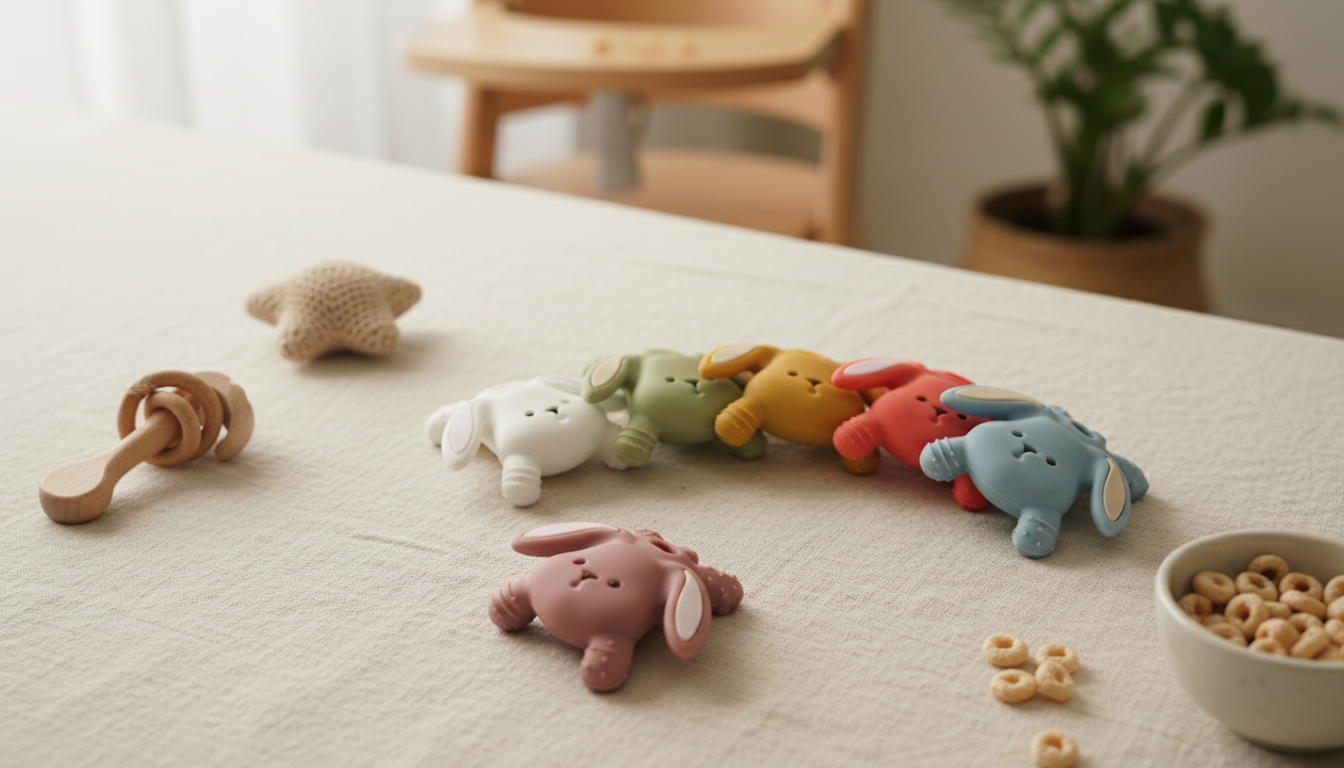
Baby Silicone Rabbit Teether: A Gentle, Easy-to-Hold Teething Toy
Teething can bring sore gums, extra drooling, and restless moments. A soft silicone teether shaped like a rabbit offers a simple way to give babies something safe to chew, grip, and explore—while helping soothe tender gums during the teething stage. With an easy-to-hold shape and a flexible feel, a rabbit teether can fit naturally into everyday routines like stroller walks, tummy time, or quick calming breaks between feeds. For more guidance, see The 7 Best Teething Toys of 2023 – WonderBaby.org.
What a Silicone Rabbit Teether Helps With
- Provides a soft chewing surface that can help comfort sensitive gums during teething periods.
- Encourages hand-to-mouth coordination as babies grasp and bring the teether to their mouth.
- Offers a textured, interesting shape that can keep little hands engaged during fussy moments.
- Supports everyday calming routines (car seat, stroller, play mat) with an easy-to-pack size.
Many babies go through phases where they want to chew frequently, even when they’re not hungry. A dedicated teether can help redirect that urge toward a baby-friendly object instead of fingers, clothing, or pacifier clips. For further reading, see Hallmark Recalls Teethers Due to Choking Hazard | CPSC.gov.
Why Silicone Is a Popular Choice for Teethers
- Soft-yet-durable material designed for frequent chewing.
- Non-porous surface that is typically easier to clean than fabric teethers.
- Can be chilled (not frozen solid) to offer a cooler feel that some babies find soothing.
- Often designed to be lightweight for early gripping.
Silicone teethers are often chosen because they strike a practical balance: they’re gentle on gums while still holding up to repeated mouthing. For broader teething safety guidance, helpful references include the American Academy of Pediatrics (HealthyChildren.org) and the U.S. Food & Drug Administration (FDA).
Product Snapshot: Baby Silicone Rabbit Teether
If you’re looking for a straightforward, budget-friendly teether that’s easy to toss into a diaper bag, the Baby Silicone Rabbit Teether is a simple pick. The rabbit shape is designed to be easy for little hands to hold, while the silicone construction offers a flexible chew and a gentle feel on gums. It’s lightweight, making it a good match for infants who are still learning how to grip and bring objects to their mouth.
Quick Details
| Item | Details |
|---|---|
| Product | Baby Silicone Rabbit Teether |
| Price | $5.47 (USD) |
| Availability | In stock |
| Product page | https://valorane.com/baby-silicone-rabbit-teether/ |
How to Use a Teether Safely and Comfortably
- Offer the teether while the baby is awake and supervised; remove it during sleep.
- If chilling, place it in the refrigerator briefly; avoid freezing solid to prevent overly hard, cold surfaces.
- Rotate the teether’s position so gums on different areas get gentle pressure.
- Stop use and replace if there are signs of damage such as tears, deep cracks, or loose pieces.
- Keep a second clean teether available for outings, daycare, or diaper bag use.
A good rhythm is to offer the teether during predictable “fussy windows,” such as after naps or before a feed, when sore gums can feel more noticeable. If your baby seems frustrated, try repositioning the teether so a different part of the gumline gets gentle pressure.
Cleaning and Care Tips for Silicone Teethers
- Wash with warm water and mild soap; rinse well to remove residue.
- Allow to fully air-dry before storing to help prevent odor buildup.
- Store in a clean, dry container or pouch when traveling.
- Avoid harsh cleaners and fragrances that could leave taste or irritation.
- If the teether has been dropped in public areas, clean promptly before returning it to the baby.
Cleaning is especially important during teething because babies tend to mouth teethers for longer stretches. Keeping one teether at home and one reserved for outings can make it easier to stay consistent without scrambling for a quick rinse on the go.
When Teething Discomfort Needs Extra Attention
- Mild gum soreness and drooling are common, but high fever or unusual lethargy should be discussed with a pediatrician.
- If the baby refuses feeds consistently, has persistent diarrhea, or seems inconsolable, seek medical guidance.
- For medication questions (including topical gels), rely on pediatric advice and trusted health guidance.
Teething can overlap with common colds and developmental changes, which can make it tricky to tell what’s “normal.” When symptoms feel intense or unusual for your baby, it’s worth checking in with a pediatrician for personalized guidance.
A Simple Gift Idea for New Parents
- Works well as a small add-on for baby showers, newborn visits, and care packages.
- Practical for everyday routines: stroller walks, tummy time, and diaper bag essentials.
- Pairs nicely with bibs, burp cloths, and pacifier clips for a useful bundle.
More In-Stock Finds
- A Guide to Understanding Scent Notes – Beginner-Friendly Fragrance Ebook | Fragrance Notes Explained for Beginners
- Enjoyable Summer Destinations Without the Heat | Travel eBook for Exploring Cool, Comfortable Getaways and Summer Destinations That Aren’t Too Hot
- Waterproof Sunshade Canopy Tent for Camping and Glamping
FAQ
What age is a silicone teether typically used for?
Many babies begin teething around 4–7 months, but timing varies widely. Use a teether only with close supervision, and check product guidance (and pediatrician recommendations) if you’re considering it for a younger infant.
Can a silicone teether be chilled?
Yes—briefly chilling a silicone teether in the refrigerator can provide a cooler feel that some babies find soothing. Avoid freezing it solid, inspect it for damage, and always supervise use.
How often should a teether be cleaned?
With regular use, cleaning at least daily is a good habit, and it should be cleaned promptly after being dropped—especially in public places. Warm water, mild soap, a thorough rinse, and complete air-drying help keep it fresh.
Recommended for you


Was this article helpful?
Yes
No







Leave a comment