-
Shop
- Advanced Technologies
- AI Skills
- Apple Accessories
- Arts, Crafts & Hobbies
- Bathroom
- Beauty
- Best-Sellers
- Car Accessories
- Car Buying & Ownership
- Confidence
- Dating & Social Skills
- Digital Resources
- Education & Learning
- Family & Parenting
- Fashion
- Alexander McQueen
- Bags & Wallets
- Balenciaga
- Belts
- Blazers
- Bottega Veneta
- Bottoms
- Brunello Cucinelli
- Burberry
- Chanel
- Chloé
- Dior
- Dolce & Gabbana
- Dresses
- Etro
- Fendi
- Gucci
- Hats & Hair Accessories
- Hoodies & Sweatshirts
- Jacquemus
- Jewelry
- Jil Sander
- Jimmy Choo
- Kiton
- Luggage
- Men's Fashion
- Miu Miu
- Off-White
- Outerwear
- Prada
- Rick Owens
- Saint Laurent
- Scarves
- Shoe Accessories
- Shoes
- Skirts
- Socks & Tights
- Sunglasses
- Sweaters & Cardigans
- The Row
- Tom Ford
- Tops & Shirts
- Valentino
- Valentino Garavani
- Versace
- Vivienne Westwood
- Watches
- Fashion Accessories
- Furniture
- Gadgets
- Gift Ideas
- Gifts
- Health & Beauty
- Health & Wellness
- Home & Garden
- Home & Kitchen
- Home Electronics
- Home Styling & Organization
- Home Supplies
- Kids & Babies
- Kids & Babies
- Kitchen
- Lighting
- Nike
- Parenting & Child Development
- Patio, Lawn & Garden
- Personal Growth
- Personal Style & Fashion
- Pet Care
- Pet Lifestyle & Wellness
- Pet Supplies
- Pets
- Sport & Outdoors
- Super Deals
- Travel
- Travel & Adventure
- Wealth
- Wellness
- Popular
- Best deals
120H ANC Over-Ear Bluetooth Headphones: What to Know
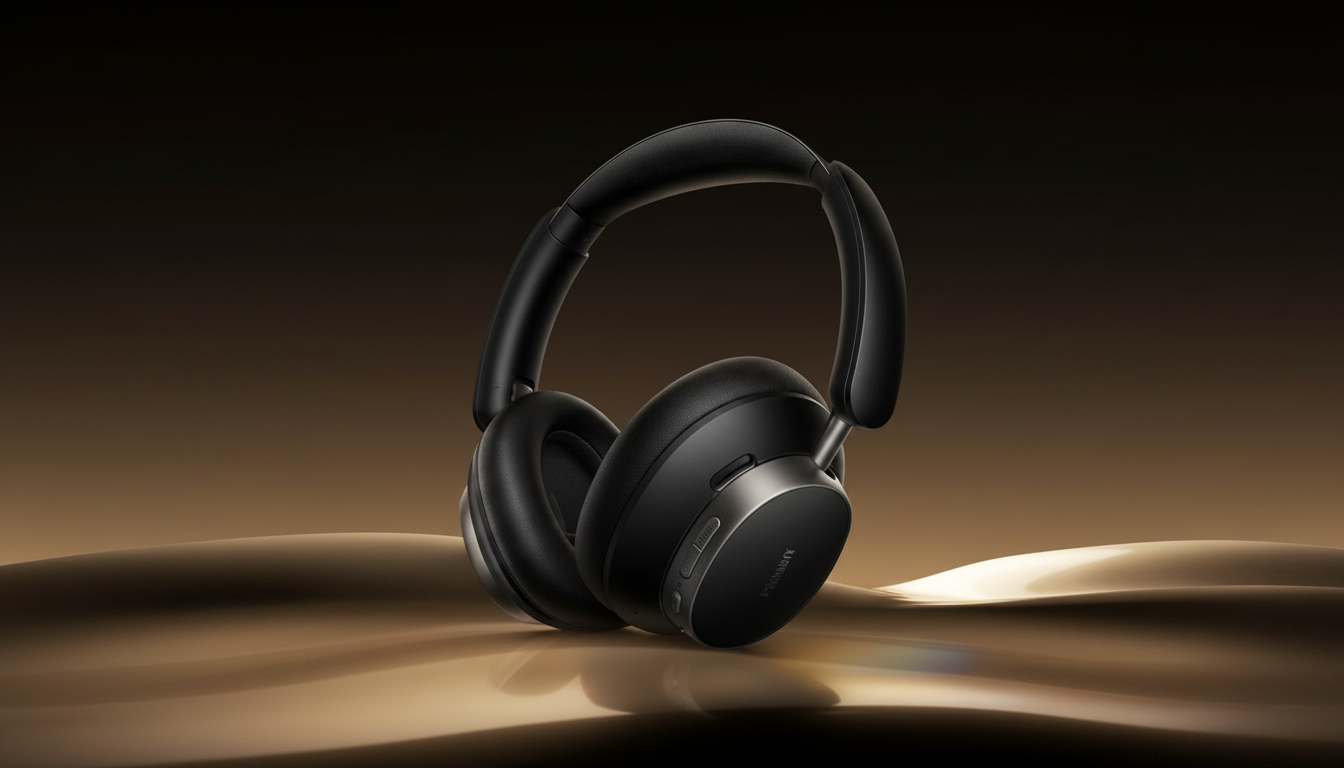
Over-Ear Bluetooth Headphones with Active Noise Cancellation and 120H Playtime
Long battery life and effective noise control can change how headphones fit into everyday life—commutes, focus sessions, travel, and late-night listening. Over-ear Bluetooth headphones with active noise cancellation (ANC) and extended playtime are built to reduce the “constant noise layer” around you while staying ready for days at a time without hunting for a charger. Below is what to expect from ANC, how long-play batteries behave in real use, and the practical details—comfort, controls, and call quality—that matter most before buying.
What to Expect from Active Noise Cancellation
ANC works by using tiny microphones to listen to ambient sound and then generating an “inverse” signal to reduce it at your ears. This tends to be most effective on steady, low-frequency noise—think engine hum and persistent rumbles—rather than quick, unpredictable sounds. For a clear explainer on the basics, see Noise-Cancelling Headphones: How They Work (RTINGS).
Where ANC helps most
- Aircraft cabin hum and air circulation noise
- Bus and train rumble during commuting
- Office HVAC and fan noise in shared spaces
- Consistent street noise when walking through busy areas
Limits to know
- Sudden voices, sharp clacks, and irregular sounds may still cut through.
- Fit and seal matter as much as the electronics—leaks reduce both bass and noise reduction.
- ANC can make music feel louder because the background drops; start at a moderate volume and adjust from there.
120 Hours of Playtime: What It Changes Day to Day
A “120-hour” battery claim is a major convenience upgrade, but real-world runtime can vary based on how you use ANC, your volume level, your Bluetooth codec and connection behavior, and even temperature. The Bluetooth standard itself is designed for efficient wireless audio, but device implementation matters; a quick overview of the technology is available from the Bluetooth SIG.
In daily routines, extra-long playtime typically means fewer charging cycles, less downtime during travel, and a lower chance of getting caught mid-call with a dead battery. To help battery longevity over months of use, avoid leaving the battery fully drained for long periods; topping up when convenient is usually easier on the battery than repeatedly running it to zero.
Typical battery impact factors
| Setting or habit | Effect on playtime | Quick recommendation |
|---|---|---|
| ANC enabled | Shorter runtime than ANC off | Use ANC for commuting, flights, or noisy workspaces |
| Higher volume | Shorter runtime | Aim for comfortable loudness rather than maximum |
| Cold environments | May reduce battery performance | Keep headphones in a bag/jacket pocket when not in use |
| Constant multipoint switching (if supported) | Can increase background connection activity | Stick to one device during long sessions when possible |
Power-saving checklist
- Lower volume slightly—small changes can extend runtime.
- Turn off ANC when you’re already in a quiet room.
- Disconnect Bluetooth when stored so it’s not searching or reconnecting.
Comfort and Fit for Long Sessions
Over-ear designs can be especially comfortable for long listening because the ear cups surround the ear rather than pressing inside the ear canal. The trade-off is that comfort depends heavily on clamp pressure, pad material, and heat buildup during multi-hour wear.
Sound, Calls, and Controls: What to Check
Getting the Best Noise Reduction and Audio Quality
- Fit first: Adjust the headband so the ear cups fully surround your ears. Reseat the cups after putting on a hat, scarf, or hood.
- Choose the right mode: Use ANC in loud environments; use transparency/ambient mode when you need awareness near traffic (if available).
- Volume safety: Reduced background noise can tempt higher volumes. Set a comfortable level and keep it steady for long sessions. For guidance, see Safe Listening (World Health Organization).
- Maintenance: Wipe ear pads, keep ports clean, and store in a dry place to protect padding and electronics.
Product Spotlight: Over-Ear Bluetooth Headphones with Active Noise Cancellation, 120H Playtime
If the goal is reliable ANC with fewer charging interruptions, Over-Ear Bluetooth Headphones with Active Noise Cancellation, 120H Playtime are built around the essentials: wireless convenience, an over-ear seal for passive isolation, and extended battery life for day-after-day use.
At-a-glance details
| Item | Details |
|---|---|
| Product | Over-Ear Bluetooth Headphones with Active Noise Cancellation, 120H Playtime |
| Price | 45.51 USD |
| Availability | In stock |
| Product page | View product |
More In-Stock Picks to Pair with Listening and Travel
- Enjoyable Summer Destinations Without the Heat | Travel eBook (great for planning quieter, more comfortable getaways where headphones get used on flights and long rides)
- Waterproof Sunshade Canopy Tent for Camping and Glamping (a practical add-on for outdoor downtime where you still want shade and a comfortable setup)
- A Guide to Understanding Scent Notes – Beginner-Friendly Fragrance Ebook (a low-key companion for personal routines—ideal for reading during long listening sessions)
FAQ
Does active noise cancellation block voices?
ANC is strongest on steady, low-frequency sounds, so voices may be reduced but usually aren’t fully removed. A good over-ear seal often makes the biggest difference in how much speech feels softened.
Is 120 hours of playtime realistic with noise cancellation on?
It depends on ANC level, volume, and connection behavior; using ANC full-time at higher volumes typically lowers runtime versus ANC off. For longer battery life, keep volume moderate, disable ANC in quiet rooms, and disconnect Bluetooth when storing the headphones.
Are over-ear headphones better than earbuds for comfort during long use?
Over-ear headphones often spread pressure around the ear and can feel more comfortable for multi-hour sessions, especially with a well-padded headband. Earbuds are lighter and more compact, but some listeners find they irritate the ear canal over time.
Recommended for you


Was this article helpful?
Yes
No







Leave a comment