-
Shop
- Advanced Technologies
- AI Skills
- Apple Accessories
- Arts, Crafts & Hobbies
- Bathroom
- Beauty
- Best-Sellers
- Car Accessories
- Car Buying & Ownership
- Confidence
- Dating & Social Skills
- Digital Resources
- Education & Learning
- Family & Parenting
- Fashion
- Alexander McQueen
- Bags & Wallets
- Balenciaga
- Belts
- Blazers
- Bottega Veneta
- Bottoms
- Brunello Cucinelli
- Burberry
- Chanel
- Chloé
- Dior
- Dolce & Gabbana
- Dresses
- Etro
- Fendi
- Gucci
- Hats & Hair Accessories
- Hoodies & Sweatshirts
- Jacquemus
- Jewelry
- Jil Sander
- Jimmy Choo
- Kiton
- Luggage
- Men's Fashion
- Miu Miu
- Off-White
- Outerwear
- Prada
- Rick Owens
- Saint Laurent
- Scarves
- Shoe Accessories
- Shoes
- Skirts
- Socks & Tights
- Sunglasses
- Sweaters & Cardigans
- The Row
- Tom Ford
- Tops & Shirts
- Valentino
- Valentino Garavani
- Versace
- Vivienne Westwood
- Watches
- Fashion Accessories
- Furniture
- Gadgets
- Gift Ideas
- Gifts
- Health & Beauty
- Health & Wellness
- Home & Garden
- Home & Kitchen
- Home Electronics
- Home Styling & Organization
- Home Supplies
- Kids & Babies
- Kids & Babies
- Kitchen
- Lighting
- Nike
- Parenting & Child Development
- Patio, Lawn & Garden
- Personal Growth
- Personal Style & Fashion
- Pet Care
- Pet Lifestyle & Wellness
- Pet Supplies
- Pets
- Sport & Outdoors
- Super Deals
- Travel
- Travel & Adventure
- Wealth
- Wellness
- Popular
- Best deals
Apple Pencil Silicone Case: Cap & Nib Covers + Cord
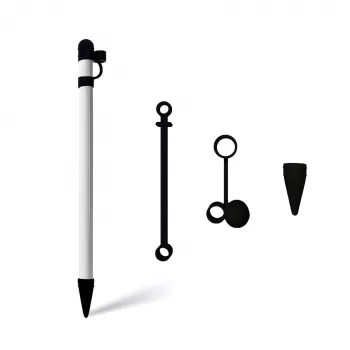
Silicone Protective Case for Apple Pencil with Cap & Nib Covers and Anti-Loss Cord
Apple Pencil is easy to scuff, easy to misplace, and even easier to lose its tiny cap or roll off a desk. A silicone protective case adds everyday grip and cushioning, while cap and nib covers help keep small parts together and the tip protected during travel. An anti-loss cord adds one more layer of reassurance for classrooms, commutes, and busy workspaces.
What this set helps prevent (and why it matters day to day)
Apple Pencil spends a lot of time moving between hands, tablet edges, sleeves, bags, and desktops. That daily shuffle is where the little annoyances stack up—cosmetic wear, missing parts, or that sinking moment when you realize it’s not where you left it.
- Scratches and scuffs from backpacks, desks, and tablet stands
- Cap misplacement when switching between charging, storage, and note-taking
- Tip damage from drops or friction against keys and accessories
- Rolling off angled surfaces thanks to improved grip
- Momentary “set it down and forget it” loss during meetings or lectures
Key components and what each one does
This type of set works because it tackles multiple failure points at once: the slick barrel, the small removable pieces, and the “I’ll just put it here for a second” habit.
- Silicone sleeve: adds a soft, non-slip feel and light impact absorption without making the pencil feel bulky
- Cap cover: keeps the cap easier to spot and less likely to slip away in a bag
- Nib cover: protects the tip area during storage and helps keep dust off (remove before writing for normal performance)
- Anti-loss cord: creates a physical connection to reduce the chance of leaving the pencil behind
| Piece | Purpose | Best time to use |
|---|---|---|
| Silicone sleeve | Grip and scratch protection | Everyday use |
| Cap cover | Keeps cap together and easier to handle | Storage and transport |
| Nib cover | Shields tip area from bumps and dust | In a bag, case, or drawer |
| Anti-loss cord | Helps prevent accidental loss | School, office, travel |
Fit and compatibility checks before buying
Not every Apple Pencil is identical, and protection accessories can interact with charging and storage in different ways. Two quick checks up front help avoid the most common mismatch issues.
- Confirm Apple Pencil generation: overall length, charging method, and cap design can differ. Apple’s guide for identifying your model is a reliable reference: Apple Support — Identify your Apple Pencil.
- Consider charging style: sleeves may need to be removed or adjusted depending on how the pencil charges/stores. For general usage details, see Apple Support — Use Apple Pencil with iPad.
- Check storage spaces: some iPad folio loops or tight pencil bays may fit better with a thinner sleeve
- Account for other accessories: if using a desk stand or grip accessory already, ensure the silicone sleeve won’t interfere
How to install it cleanly (and keep it comfortable)
Silicone accessories tend to feel best when they’re installed on a clean surface and kept free of trapped dust. A careful install also reduces the chance of the sleeve bunching or feeling uneven in your grip.
- Wipe the pencil body clean and dry before sliding on silicone to reduce trapped dust
- Start from one end and roll the sleeve on gradually to avoid stretching stress points
- Seat cap and nib covers fully so edges don’t snag in a bag
- Remove the nib cover before writing; store it in a consistent spot to avoid losing it
- If the sleeve feels tacky after weeks of use, rinse with mild soap and water and air dry
For comfort, the goal is a smooth surface with no seams pressing into your fingers. If the sleeve shifts during use, remove it, wipe away any lint or moisture, and reinstall with a slow “roll-on” motion rather than pulling it into place.
Who benefits most from an anti-loss cord setup
The anti-loss cord is a simple idea—keep the pencil physically connected to a more stable anchor point—but it makes the biggest difference in high-movement environments.
- Students moving between classes, study rooms, and labs
- Commuters who take notes on trains, buses, and shared workspaces
- Artists switching between pencil, keyboard, and touch gestures frequently
- Families sharing tablets where accessories tend to “walk away” between rooms
- Anyone who routinely sets the pencil down during calls or collaboration sessions
It’s also helpful when working in coffee shops or co-working spaces, where a fast pack-up can leave small accessories behind. A cord doesn’t make the pencil theft-proof, but it can prevent the most common kind of loss: accidental separation.
Common concerns: feel, control, and everyday use
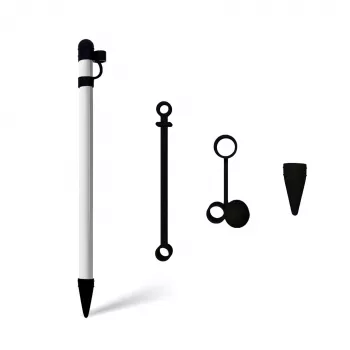
Product option: Silicone Protective Case with Cap & Nib Covers and Anti-Loss Cord
Silicone Protective Case for Apple Pencil with Cap and Nib Covers, Anti-Loss Cord
More in-stock picks to browse
- A Guide to Understanding Scent Notes – Beginner-Friendly Fragrance Ebook | Fragrance Notes Explained for Beginners
- Enjoyable Summer Destinations Without the Heat | Travel eBook for Exploring Cool, Comfortable Getaways and Summer Destinations That Aren’t Too Hot
FAQ
Will a silicone sleeve affect charging or magnetic attachment?
It depends on your Apple Pencil generation and how it charges. Some setups may require removing the sleeve for reliable magnetic attachment or charging, while thinner sleeves can work fine when properly aligned.
Should the nib cover stay on while writing or drawing?
No—remove it during use to keep normal control, tip contact, and consistent screen feel. The nib cover is best used for storage and transport to protect the tip area from bumps and dust.
How do you clean a silicone Apple Pencil cover?
Wash it with mild soap and water, rinse thoroughly, and let it air dry completely before reinstalling. Avoid harsh solvents, which can degrade silicone and dull the finish over time.
Recommended for you
Was this article helpful?
Yes
No








Leave a comment