-
Shop
- Advanced Technologies
- AI Skills
- Apple Accessories
- Arts, Crafts & Hobbies
- Bathroom
- Beauty
- Best-Sellers
- Car Accessories
- Car Buying & Ownership
- Confidence
- Dating & Social Skills
- Digital Resources
- Education & Learning
- Family & Parenting
- Fashion
- Alexander McQueen
- Bags & Wallets
- Balenciaga
- Belts
- Blazers
- Bottega Veneta
- Bottoms
- Brunello Cucinelli
- Burberry
- Chanel
- Chloé
- Dior
- Dolce & Gabbana
- Dresses
- Etro
- Fendi
- Gucci
- Hats & Hair Accessories
- Hoodies & Sweatshirts
- Jacquemus
- Jewelry
- Jil Sander
- Jimmy Choo
- Kiton
- Luggage
- Men's Fashion
- Miu Miu
- Off-White
- Outerwear
- Prada
- Rick Owens
- Saint Laurent
- Scarves
- Shoe Accessories
- Shoes
- Skirts
- Socks & Tights
- Sunglasses
- Sweaters & Cardigans
- The Row
- Tom Ford
- Tops & Shirts
- Valentino
- Valentino Garavani
- Versace
- Vivienne Westwood
- Watches
- Fashion Accessories
- Furniture
- Gadgets
- Gift Ideas
- Gifts
- Health & Beauty
- Health & Wellness
- Home & Garden
- Home & Kitchen
- Home Electronics
- Home Styling & Organization
- Home Supplies
- Kids & Babies
- Kids & Babies
- Kitchen
- Lighting
- Nike
- Parenting & Child Development
- Patio, Lawn & Garden
- Personal Growth
- Personal Style & Fashion
- Pet Care
- Pet Lifestyle & Wellness
- Pet Supplies
- Pets
- Sport & Outdoors
- Super Deals
- Travel
- Travel & Adventure
- Wealth
- Wellness
- Popular
- Best deals
Touchless Sensor Trash Can: Eco-Friendly Electric Bin
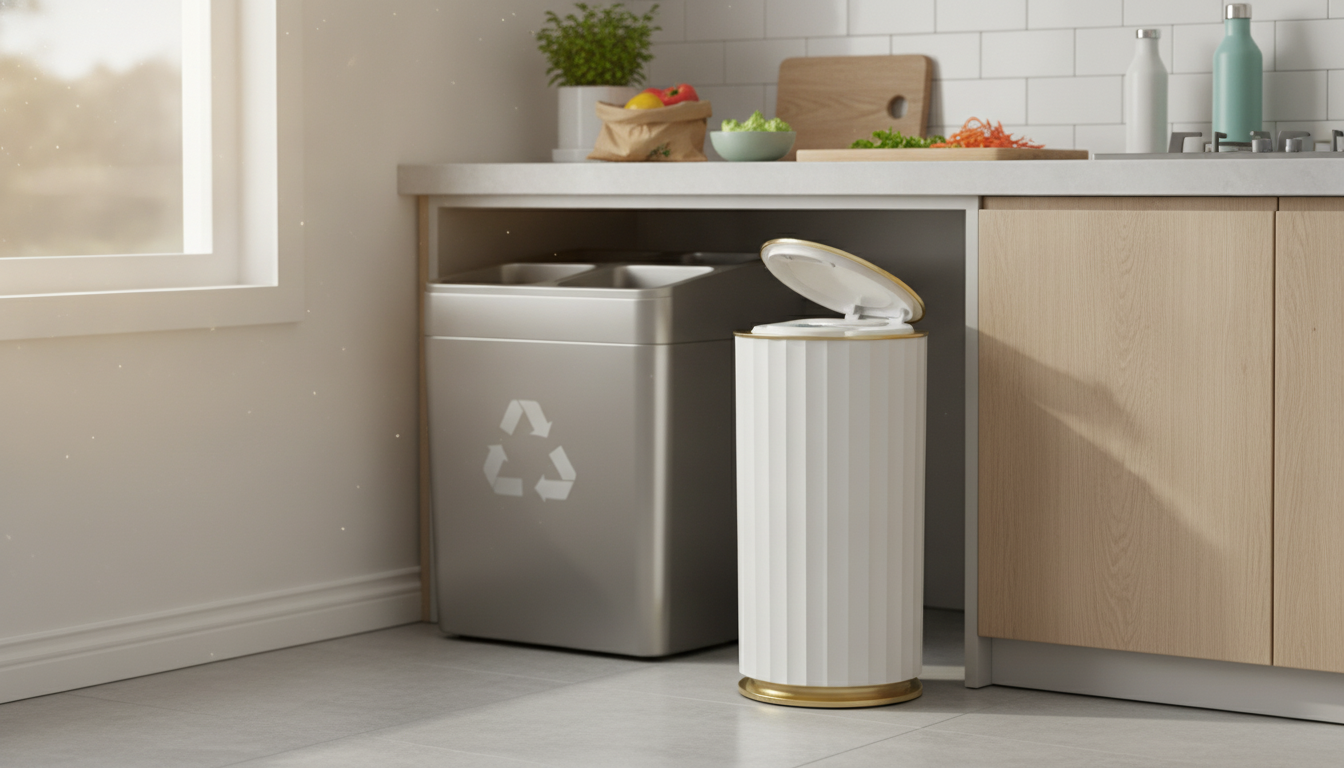
Smart Touchless Sensor Trash Can: Cleaner Disposal With an Eco-Friendly Electric Design
A touchless trash can helps reduce mess, limit contact with germs, and keep everyday cleanup moving smoothly. A smart electric bin combines sensor-activated opening with a streamlined look and a focus on reducing waste-related odors and spills—especially useful in kitchens, bathrooms, offices, and shared spaces where the trash gets frequent use.
Why Touchless Matters in Daily Cleanup
Daily disposal is one of those small routines that can quietly spread mess around a room. A sensor lid helps by removing the “I’ll open it later” moment—so scraps, tissues, or packaging go where they should, right away.
- Reduces contact with the lid during food prep, diaper changes, pet care, or bathroom routines
- Helps contain mess when hands are wet, full, or messy
- Encourages consistent disposal habits in busy households and workplaces
- Supports a more hygienic environment by limiting high-touch surfaces
For broader guidance on keeping shared spaces cleaner, the CDC’s recommendations on cleaning routines can be a helpful reference: CDC: Cleaning and Disinfecting Your Facility.
How the Sensor and Electric Lid Work
Touchless bins are designed for quick, “drop-and-go” disposal. Instead of stepping on a pedal or lifting a lid, the sensor detects movement and opens automatically, then closes after a short delay.
- Motion detection triggers the lid to open without pressing pedals or buttons
- A timed close helps limit odors and keeps contents out of sight
- Designed for quick drop-in disposal—useful for peelings, wrappers, tissues, and coffee grounds
- Keep the sensor area clear for reliable activation; placement away from direct splashes helps performance
Touchless vs. Manual Trash Cans at a Glance
| Feature | Touchless Sensor Lid | Step-Pedal/Manual Lid |
|---|---|---|
| Hands-free access | Yes | No (usually) |
| Typical contact points | Minimal | Pedal/lid/handle touched often |
| Odor control support | Stronger when lid auto-closes promptly | Depends on user closing behavior |
| Convenience with messy hands | High | Medium to low |
| Best for | Kitchens, bathrooms, shared spaces | Low-traffic areas, budget setups |
Eco-Friendly Benefits That Make a Practical Difference
“Eco-friendly” in everyday home gear often comes down to reducing repeat work and needless waste. A trash can that stays closed and is easier to use can indirectly help cut down on extras—like excessive liner changes or constant wipe-downs.
- A consistently closed lid can help reduce lingering odors, discouraging repeated bag changes caused by smell
- Cleaner disposal can cut down on wipe-downs and paper towel use when spills are reduced
- Works well alongside waste-sorting habits (trash vs. recycling vs. compost) by making disposal quicker and less unpleasant
- Helps keep pests away by limiting exposure time and keeping waste covered
For a bigger picture of reducing waste and managing materials efficiently, see: EPA: Sustainable Materials Management Basics.
Where It Fits Best: Kitchen, Bathroom, Office, and More
Touchless bins shine in rooms where your hands are busy, you’re moving quickly, or multiple people share the same disposal point.
- Kitchen: Fast access while cooking; helps when hands are covered in flour, oils, or raw ingredients (use proper food-safety practices regardless).
- Bathroom: Reduces contact after handwashing or cleaning tasks, especially for tissues and wipes.
- Home office: Keeps the space tidy for packaging waste, tissues, and daily clutter.
- Nursery/pet area: Helpful when hands are occupied and quick disposal matters.
- Entryway/mudroom: Convenient for wipes, masks, and small disposables.
Setup and Everyday Use Tips
A smart lid is most reliable when it’s placed thoughtfully and used with a few simple habits that reduce false triggers and keep the mechanism clean.
- Position on a level surface so the lid can open and close without obstruction.
- Leave a small buffer from walls/cabinets to prevent accidental sensor triggers from nearby movement.
- Use a well-fitted liner to avoid bag slippage; avoid overfilling so the lid can close fully.
- For odor management, empty wet waste sooner and consider separating food scraps into a sealed compost container.
- Clean the exterior with a soft cloth; keep moisture away from the sensor area and electronics.
What to Look For Before Buying a Smart Trash Can
Not all sensor cans behave the same in real rooms with pets, kids, tight walkways, and busy countertops. A quick checklist can help you choose something that feels effortless rather than finicky.
Product Snapshot: Smart Touchless Sensor Trash Can – Eco-Friendly Electric Garbage Bin
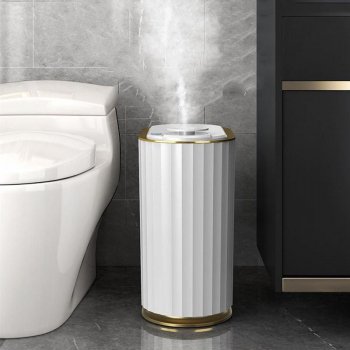
If the goal is cleaner disposal with fewer touchpoints, Smart Touchless Sensor Trash Can – Eco-Friendly Electric Garbage Bin is built for hands-free, quick drop-in use. The electric lid helps keep waste covered between tosses, which can make a noticeable difference in high-traffic rooms where odor and spills tend to build up.
Quick Details
| Item | Details |
|---|---|
| Name | Smart Touchless Sensor Trash Can – Eco-Friendly Electric Garbage Bin |
| Price | 747.99 USD |
| Availability | In stock |
| Product page | View product |
More In-Stock Picks for a Cleaner, More Comfortable Space
- A Guide to Understanding Scent Notes – Beginner-Friendly Fragrance Ebook | Fragrance Notes Explained for Beginners
- Waterproof Sunshade Canopy Tent for Camping and Glamping
FAQ
How close does a hand need to be to activate a touchless trash can?
Activation distance varies by model and room conditions, but performance is typically best when the sensor area is unobstructed. To reduce unwanted triggers, place the can where normal pass-by traffic won’t repeatedly activate the lid.
Do touchless trash cans help with odor control?
They can, because an automatic close reduces the time the bin stays open and helps keep odors contained. For best results, empty wet or food-heavy waste more often and use properly sized liners so the lid closes fully.
How should an electric sensor trash can be cleaned safely?
Wipe the exterior with a damp cloth and mild cleaner, avoiding soaking the sensor window or any electronic seams. Dry the surface afterward and keep water away from the sensor area to protect reliable operation.
Recommended for you
Was this article helpful?
Yes
No









Leave a comment