-
Shop
- Advanced Technologies
- AI Skills
- Apple Accessories
- Arts, Crafts & Hobbies
- Bathroom
- Beauty
- Best-Sellers
- Car Accessories
- Car Buying & Ownership
- Confidence
- Dating & Social Skills
- Digital Resources
- Education & Learning
- Family & Parenting
- Fashion
- Alexander McQueen
- Bags & Wallets
- Balenciaga
- Belts
- Blazers
- Bottega Veneta
- Bottoms
- Brunello Cucinelli
- Burberry
- Chanel
- Chloé
- Dior
- Dolce & Gabbana
- Dresses
- Etro
- Fendi
- Gucci
- Hats & Hair Accessories
- Hoodies & Sweatshirts
- Jacquemus
- Jewelry
- Jil Sander
- Jimmy Choo
- Kiton
- Luggage
- Men's Fashion
- Miu Miu
- Off-White
- Outerwear
- Prada
- Rick Owens
- Saint Laurent
- Scarves
- Shoe Accessories
- Shoes
- Skirts
- Socks & Tights
- Sunglasses
- Sweaters & Cardigans
- The Row
- Tom Ford
- Tops & Shirts
- Valentino
- Valentino Garavani
- Versace
- Vivienne Westwood
- Watches
- Fashion Accessories
- Furniture
- Gadgets
- Gift Ideas
- Gifts
- Health & Beauty
- Health & Wellness
- Home & Garden
- Home & Kitchen
- Home Electronics
- Home Styling & Organization
- Home Supplies
- Kids & Babies
- Kids & Babies
- Kitchen
- Lighting
- Nike
- Parenting & Child Development
- Patio, Lawn & Garden
- Personal Growth
- Personal Style & Fashion
- Pet Care
- Pet Lifestyle & Wellness
- Pet Supplies
- Pets
- Sport & Outdoors
- Super Deals
- Travel
- Travel & Adventure
- Wealth
- Wellness
- Popular
- Best deals
When to Microchip Your Pet: Timing Checklist & Steps
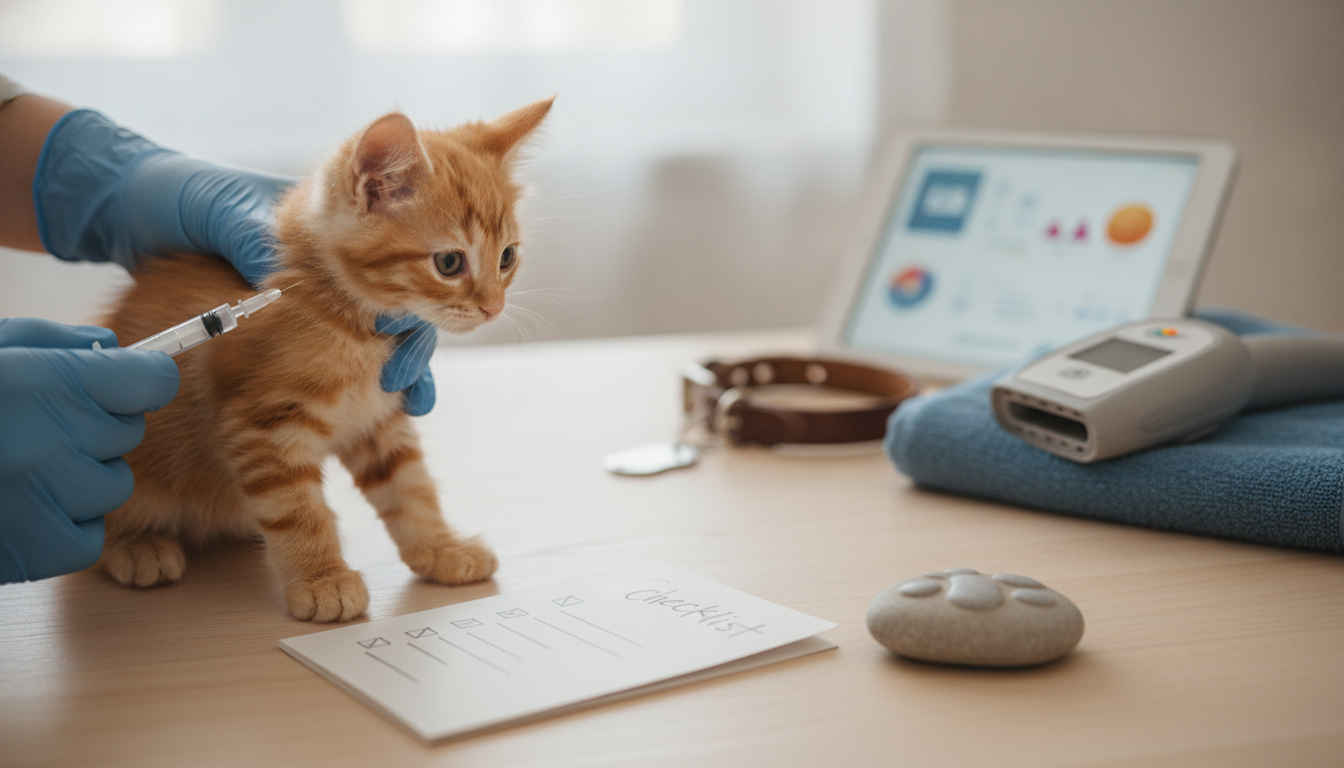
Pet Microchip Timing Made Simple: Essential Checklist for Microchipping Your Pet
Microchipping is quick, permanent identification—but timing and follow-through determine whether it actually helps reunite a lost pet. Use this simple timeline and checklist to decide when to microchip, how to prepare for the appointment, and what to do immediately afterward so the chip is registered, scannable, and linked to current contact details. For more guidance, see 5 Things You Need to Know About Microchipping Your Pet.
What a microchip does (and what it doesn’t)
A pet microchip is a tiny RFID chip implanted under the skin—most often between the shoulder blades. Each chip carries a unique ID number that can be read by a scanner at shelters, veterinary clinics, and animal control. For further reading, see Fact sheet: Microchip basics – HumanePro.
What it does: provides a permanent, tamper-resistant ID number that can help professionals find your contact information if your pet is found.
What it doesn’t: a microchip is not a GPS tracker. It can’t show your pet’s location in real time and doesn’t “ping” satellites or apps. Reunification depends on (1) someone scanning your pet and (2) the chip number being linked to correct, current registry contact details.
Best practice is “belt and suspenders”: collar tags help with quick neighborhood returns, while a microchip helps when the collar slips off or the pet is brought to a shelter or clinic.
Best timing by life stage: puppies and kittens
Many clinics microchip puppies and kittens at 6–8 weeks and older, often around early wellness exams or the start of vaccinations. That window is common because it pairs well with a vet visit that confirms your pet is healthy enough for routine care and keeps handling to a minimum.
Earlier isn’t automatically better. If a young pet is underweight, ill, or extremely stressed, it may be smarter to microchip once they’re stable—your veterinarian can advise on what’s appropriate.
If you’re adopting or fostering, aim to microchip as soon as stable ownership is established. That reduces “who owns this pet?” delays if your pet slips out during the transition to a new home.
If spay/neuter is planned, microchipping during the same visit can be convenient and may reduce the number of separate appointments and restraint events.
Microchipping adult pets: when it matters most
Adult pets should be microchipped immediately if they’ve never been chipped—or if chip status is unknown (common with rescues and informal rehoming).
Timing matters most right before high-risk changes: moving to a new home, boarding/daycare, travel, visitors coming and going, fireworks holidays, or starting a new yard routine. If your dog is a door-darter or your cat is a stealthy escape artist, microchipping is a same-week priority—waiting for a “perfect time” often means waiting until after the close call.
For outdoor cats and dogs that spend any time off-leash (even accidentally), microchipping is a baseline safety step alongside a properly fitted collar and ID tag.
A simple timeline: decide, schedule, implant, confirm, register
Step 1: Confirm current status
Ask your vet to scan for an existing chip at the next visit—or request a quick “chip scan” appointment. Many pets already have a chip, but ownership info may be outdated.
Step 2: Schedule the implant
Pick a low-stress day. If possible, avoid stacking multiple stressful events (grooming, long car rides, big social gatherings) right around the appointment.
Step 3: Implant day
Step 4: Before leaving the clinic
Step 5: Register immediately
Step 6: Verify scan at the next visit
| Scenario | When to microchip | Critical follow-up |
|---|---|---|
| New puppy/kitten | At early vet visits (often 6–8+ weeks) or during spay/neuter | Register same day; re-scan at next wellness visit |
| Newly adopted adult | Within the first week, after confirming no existing chip | Update ownership and add backup contact |
| Moving or travel | 2–4 weeks before the event (or ASAP if time is short) | Confirm registry phone/email; add temporary travel address if allowed |
| Outdoor cat / escape-prone dog | As soon as possible | Pair with collar tag; confirm chip number is recorded in vet file |
| Senior pet | Any time if unchipped; coordinate with a routine exam | Ask vet to scan annually and confirm registry details |
Appointment prep: make the visit quick and calm
Aftercare and verification: the steps that prevent failures
For more background and best practices, see the AVMA guidance on microchipping and the AAHA Microchip Lookup Tool (useful if a found pet’s chip registry is unknown).
Special situations that affect timing
Printable, step-by-step microchip checklist
If you want a ready-to-save reference you can keep with vet records, see Pet Microchip Timing Made Simple: Essential Checklist for Microchipping Your Pet. For families teaching kids simple pet-safety routines (like “check tags” and “confirm phone numbers”), a hands-on activity can help reinforce responsibility at home—consider the Montessori 3D Shape Matching Puzzle for screen-free practice with step-by-step thinking.
FAQ
What is the best age to microchip a puppy or kitten?
Many clinics microchip at about 6–8 weeks or older, often during early wellness visits or alongside spay/neuter. A veterinarian exam should guide exact timing based on health and stress level.
Does a microchip track a pet’s location like a GPS?
No. A microchip is passive RFID identification that only provides an ID number when scanned; it does not show real-time location. If location tracking is needed, pair ID tags with a dedicated GPS device.
What should be done right after microchipping?
Get the chip number and registry details in writing, confirm the clinic can scan and read it before you leave, and register it the same day with up-to-date contact info (including a backup contact). Ask for a re-scan at a future wellness visit to confirm everything remains readable and correctly recorded.
Recommended for you



Was this article helpful?
Yes
No









Leave a comment