-
Shop
- Advanced Technologies
- AI Skills
- Apple Accessories
- Arts, Crafts & Hobbies
- Bathroom
- Beauty
- Best-Sellers
- Car Accessories
- Car Buying & Ownership
- Confidence
- Dating & Social Skills
- Digital Resources
- Education & Learning
- Family & Parenting
- Fashion
- Alexander McQueen
- Bags & Wallets
- Balenciaga
- Belts
- Blazers
- Bottega Veneta
- Bottoms
- Brunello Cucinelli
- Burberry
- Chanel
- Chloé
- Dior
- Dolce & Gabbana
- Dresses
- Etro
- Fendi
- Gucci
- Hats & Hair Accessories
- Hoodies & Sweatshirts
- Jacquemus
- Jewelry
- Jil Sander
- Jimmy Choo
- Kiton
- Luggage
- Men's Fashion
- Miu Miu
- Off-White
- Outerwear
- Prada
- Rick Owens
- Saint Laurent
- Scarves
- Shoe Accessories
- Shoes
- Skirts
- Socks & Tights
- Sunglasses
- Sweaters & Cardigans
- The Row
- Tom Ford
- Tops & Shirts
- Valentino
- Valentino Garavani
- Versace
- Vivienne Westwood
- Watches
- Fashion Accessories
- Furniture
- Gadgets
- Gift Ideas
- Gifts
- Health & Beauty
- Health & Wellness
- Home & Garden
- Home & Kitchen
- Home Electronics
- Home Styling & Organization
- Home Supplies
- Kids & Babies
- Kids & Babies
- Kitchen
- Lighting
- Nike
- Parenting & Child Development
- Patio, Lawn & Garden
- Personal Growth
- Personal Style & Fashion
- Pet Care
- Pet Lifestyle & Wellness
- Pet Supplies
- Pets
- Sport & Outdoors
- Super Deals
- Travel
- Travel & Adventure
- Wealth
- Wellness
- Popular
- Best deals
Animals Hurt by Plastic Pollution: Who’s Most at Risk?

What animals are suffering from plastic?
Plastic pollution harms a wide range of animals across oceans, freshwater habitats, and land. Some are hurt by getting tangled in plastic items, while others mistakenly eat plastic pieces that look like food. The damage can be immediate—like drowning or strangulation—or long-term, such as starvation, internal injuries, and reduced ability to reproduce.
Which animals are most affected?
Sea turtles are among the most recognized victims. Floating plastic bags can resemble jellyfish, a common prey, and ingestion can block their digestive systems. Turtles also become trapped in discarded fishing gear, which can cut into skin and restrict movement.
Seabirds suffer heavily because they forage over large ocean areas where plastic accumulates. Many species feed plastic fragments to their chicks, filling their stomachs with non-food items and leading to malnutrition. Even small pieces can reduce appetite and weaken birds over time.
Marine mammals—including seals, sea lions, dolphins, and whales—are harmed by both entanglement and ingestion. Lost or abandoned fishing nets and lines can wrap around flippers or necks, causing infections, impaired swimming, and death. Whales may ingest plastic while filter-feeding or hunting, and it can contribute to digestive problems and stress.
It’s not just the ocean
Freshwater animals like fish, turtles, and river birds encounter plastic carried by storm drains and waterways. Microplastics can enter food chains, potentially affecting growth and health across species.
Land animals are also impacted. Deer, livestock, and urban wildlife (such as raccoons and foxes) may eat plastic packaging while scavenging. This can cause choking, intestinal blockage, or exposure to harmful chemicals.
How everyday choices connect
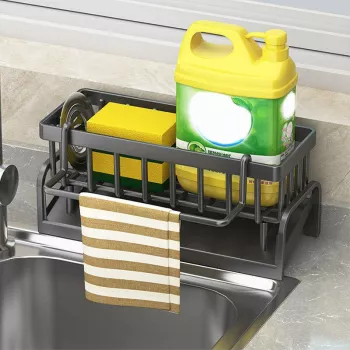
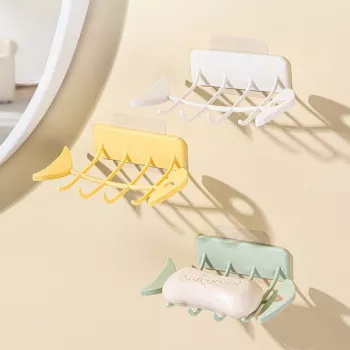
Plastic often reaches wildlife after it escapes trash bins, sinks, and drains. Simple habits—like keeping small plastic bits out of wash water and choosing reusable, easy-to-clean items—can help reduce leakage into waterways. For a practical home upgrade that helps keep wet areas tidy and easier to maintain, see this guide: https://valorane.com/guide-cute-animal-drain-rack-soap-dish-bath-kitchen/.
FAQ
How does plastic get into the ocean?
Plastic can blow out of trash containers, overflow from landfills, wash into storm drains, and travel through rivers to the sea. Lost fishing gear and litter from boats also add to ocean plastic.
Recommended for you

Was this article helpful?
Yes
No









Leave a comment