-
Shop
- Advanced Technologies
- AI Skills
- Apple Accessories
- Arts, Crafts & Hobbies
- Bathroom
- Beauty
- Best-Sellers
- Car Accessories
- Car Buying & Ownership
- Confidence
- Dating & Social Skills
- Digital Resources
- Education & Learning
- Family & Parenting
- Fashion
- Alexander McQueen
- Bags & Wallets
- Balenciaga
- Belts
- Blazers
- Bottega Veneta
- Bottoms
- Brunello Cucinelli
- Burberry
- Chanel
- Chloé
- Dior
- Dolce & Gabbana
- Dresses
- Etro
- Fendi
- Gucci
- Hats & Hair Accessories
- Hoodies & Sweatshirts
- Jacquemus
- Jewelry
- Jil Sander
- Jimmy Choo
- Kiton
- Luggage
- Men's Fashion
- Miu Miu
- Off-White
- Outerwear
- Prada
- Rick Owens
- Saint Laurent
- Scarves
- Shoe Accessories
- Shoes
- Skirts
- Socks & Tights
- Sunglasses
- Sweaters & Cardigans
- The Row
- Tom Ford
- Tops & Shirts
- Valentino
- Valentino Garavani
- Versace
- Vivienne Westwood
- Watches
- Fashion Accessories
- Furniture
- Gadgets
- Gift Ideas
- Gifts
- Health & Beauty
- Health & Wellness
- Home & Garden
- Home & Kitchen
- Home Electronics
- Home Styling & Organization
- Home Supplies
- Kids & Babies
- Kids & Babies
- Kitchen
- Lighting
- Nike
- Parenting & Child Development
- Patio, Lawn & Garden
- Personal Growth
- Personal Style & Fashion
- Pet Care
- Pet Lifestyle & Wellness
- Pet Supplies
- Pets
- Sport & Outdoors
- Super Deals
- Travel
- Travel & Adventure
- Wealth
- Wellness
- Popular
- Best deals
Quick Stress Relief: Breath, Movement, and Mindful Resets
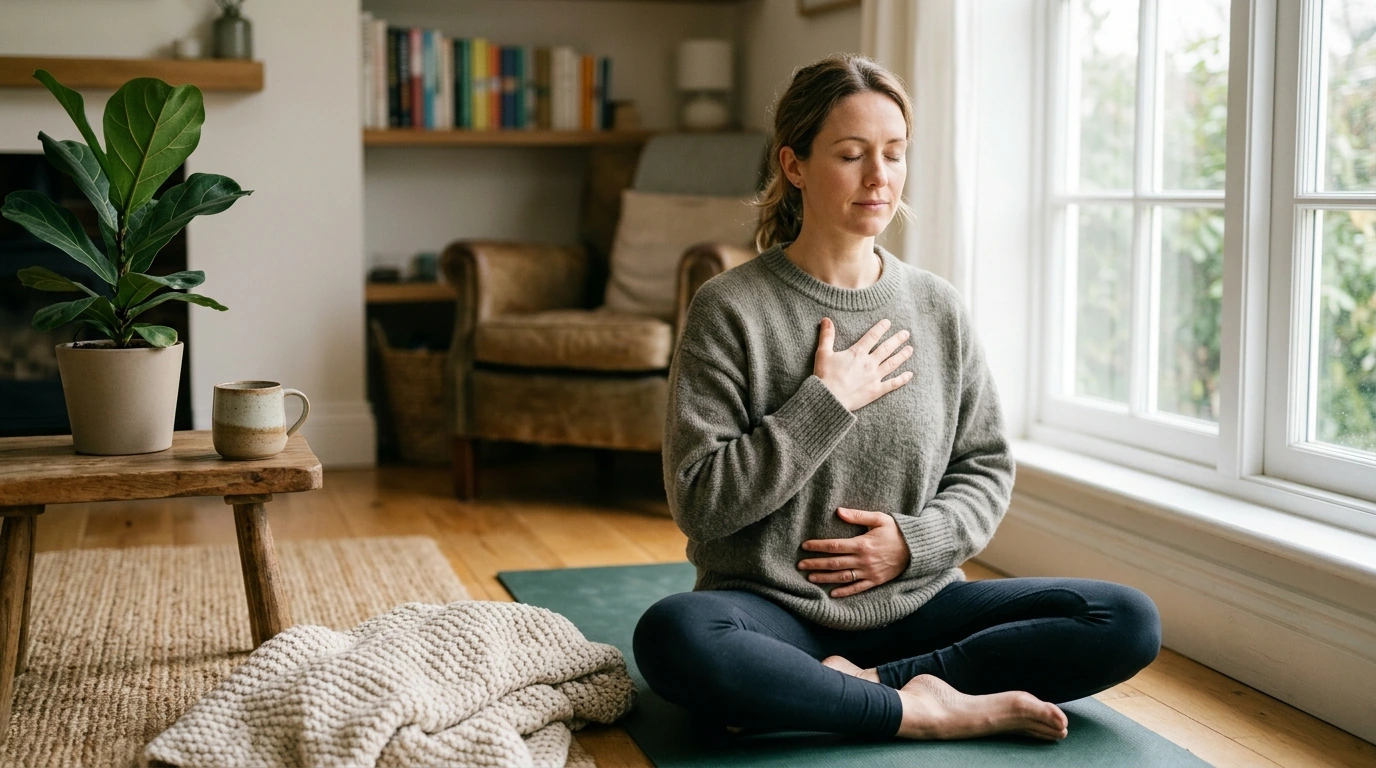
Find Your Calm: Simple Ways to Melt Stress Away
Stress doesn’t always arrive in big, obvious waves—more often it shows up as a tight jaw, racing thoughts, shallow breathing, or a short fuse. A calmer day usually comes from small, repeatable choices that soothe the body first, then steady the mind. The ideas below focus on simple practices that fit real schedules and build reliable relief over time.
Stress is also physical. When your nervous system stays on high alert, it can affect sleep, digestion, concentration, and mood. The American Psychological Association explains how stress can impact the body over time, which is why “small resets” throughout the day matter just as much as a longer unwind at night.
Start by Noticing: The Fastest Way to Lower the Volume
Before you try to fix stress, notice how it’s showing up. This takes seconds, but it often interrupts the automatic spiral and gives you a clean starting point.
- Do a 20-second check-in: scan your forehead, jaw, shoulders, belly, and hands for tension. If you find tightness, soften that area by 5% (not 100%).
- Name what’s happening in plain words: “pressure in chest,” “rushed,” “overloaded.” Simple labels can reduce the mind’s urge to catastrophize.
- Pick one tiny goal for the next 10 minutes: not the whole day. One email, one dish, one page—small wins restore a sense of control.
- Use a “stress cue” as a reminder: phone unlock, email open, getting in the car. Train yourself to pause once before reacting.
Breathing Practices That Calm the Nervous System (No Special Setup)
Breath is one of the quickest ways to send your body a “you’re safe enough right now” signal. Mind-body practices—including breathing—are commonly recommended for stress support by the National Center for Complementary and Integrative Health (NCCIH).
- Box breathing: inhale 4, hold 4, exhale 4, hold 4 for 2–4 rounds. Keep shoulders relaxed and the jaw unclenched.
- Extended exhale: inhale through the nose for 3–4, exhale for 5–7. Repeat for 1–3 minutes to downshift arousal.
- Physiological sigh: two short inhales through the nose, long exhale through the mouth. Repeat 2–3 times when stress spikes.
- Pair breath with a cue word: on the exhale, silently say “soften,” “release,” or “steady.”
- If dizziness occurs: reduce the counts and return to normal breathing.
Quick calm menu: pick one that matches your moment
| Situation | Activity | Time | What it helps |
|---|---|---|---|
| Racing thoughts | Extended exhale breathing | 2 minutes | Slows arousal and reduces mental urgency |
| Body feels wired | Brisk walk or stair laps | 5–10 minutes | Burns off stress energy and resets focus |
| Tension in neck/shoulders | Shoulder rolls + gentle neck stretch | 1–3 minutes | Releases muscle guarding |
| Overwhelm at a desk | 5-4-3-2-1 grounding | 2 minutes | Brings attention back to the present |
| End-of-day rumination | Brain-dump list then next-step plan | 5 minutes | Moves worries into a manageable container |
Mindfulness Without the Pressure to “Empty Your Mind”
Mindfulness doesn’t require perfect calm. It’s more like training your attention to return—again and again—without turning every thought into a crisis.
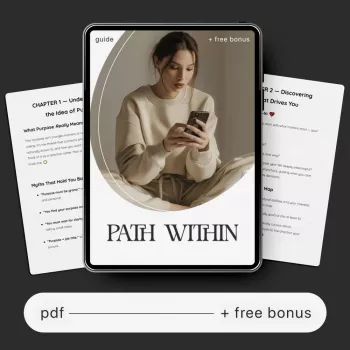
If you want a simple way to stay consistent, a daily prompt can help you practice without overthinking. A guided format like Find Your Calm: Simple Ways to Melt Stress Away | Stress Reduction Activities Guide for Daily Relaxation & Mindfulness can reduce decision fatigue by giving you one doable activity at a time.
Stress-Reducing Movement for Busy Days
If walking is your go-to reset, comfortable footwear makes it easier to follow through on the “just five minutes” plan. Consider keeping a ready pair like New Balance 1906R Light Blue Leather Sneakers by the door as a friction-reducer for quick stress walks.
Calm Through the Senses: Simple Grounding Activities
For on-the-go grounding (lotion, tea bags, a textured keychain, headphones), it helps to keep a small “calm kit” in your everyday bag. A roomy option like Calvin Klein Women’s Spring/Summer Backpack can make those tools easy to carry without adding clutter.
Build a Daily Wind-Down Routine That Actually Sticks
For more on stress basics and why it can feel so persistent, the National Institute of Mental Health (NIMH) offers a clear overview of what stress is and how it affects everyday functioning.
A Guided Way to Practice: Activities You Can Follow Day by Day
- Look for guidance that mixes quick wins (2–5 minute resets) with deeper practices (journaling, mindful awareness, gentle movement).
- Use one page or one activity per day; track what works best for morning, mid-day, and evening stress.
- For a ready-to-use set of stress reduction activities designed for daily relaxation and mindfulness, consider: Find Your Calm: Simple Ways to Melt Stress Away.
FAQ
What is the quickest way to calm down when stress hits suddenly?
Try 1–3 minutes of extended-exhale breathing (inhale 3–4, exhale 5–7), or do 2–3 rounds of the physiological sigh (two short inhales, one long exhale). If you feel lightheaded, shorten the counts and return to normal breathing.
How long does mindfulness take to make a difference?
Many people notice small shifts within a couple of weeks when they practice consistently, even in 1–3 minute “micro” sessions. Over time, the biggest improvements tend to show up as less reactivity, better sleep quality, and quicker recovery after stressful moments.
What are easy stress reduction activities to do at work?
Discreet options include two cycles of box breathing, shoulder rolls and a gentle neck stretch, a quick 5-4-3-2-1 grounding scan, or a 3-minute walk to refill water. A fast brain-dump list with one next step per item can also reduce mental clutter without needing privacy.
Recommended for you


Was this article helpful?
Yes
No









Leave a comment