-
Shop
- Advanced Technologies
- AI Skills
- Apple Accessories
- Arts, Crafts & Hobbies
- Bathroom
- Beauty
- Best-Sellers
- Car Accessories
- Car Buying & Ownership
- Confidence
- Dating & Social Skills
- Digital Resources
- Education & Learning
- Family & Parenting
- Fashion
- Alexander McQueen
- Bags & Wallets
- Balenciaga
- Belts
- Blazers
- Bottega Veneta
- Bottoms
- Brunello Cucinelli
- Burberry
- Chanel
- Chloé
- Dior
- Dolce & Gabbana
- Dresses
- Etro
- Fendi
- Gucci
- Hats & Hair Accessories
- Hoodies & Sweatshirts
- Jacquemus
- Jewelry
- Jil Sander
- Jimmy Choo
- Kiton
- Luggage
- Men's Fashion
- Miu Miu
- Off-White
- Outerwear
- Prada
- Rick Owens
- Saint Laurent
- Scarves
- Shoe Accessories
- Shoes
- Skirts
- Socks & Tights
- Sunglasses
- Sweaters & Cardigans
- The Row
- Tom Ford
- Tops & Shirts
- Valentino
- Valentino Garavani
- Versace
- Vivienne Westwood
- Watches
- Fashion Accessories
- Furniture
- Gadgets
- Gift Ideas
- Gifts
- Health & Beauty
- Health & Wellness
- Home & Garden
- Home & Kitchen
- Home Electronics
- Home Styling & Organization
- Home Supplies
- Kids & Babies
- Kids & Babies
- Kitchen
- Lighting
- Nike
- Parenting & Child Development
- Patio, Lawn & Garden
- Personal Growth
- Personal Style & Fashion
- Pet Care
- Pet Lifestyle & Wellness
- Pet Supplies
- Pets
- Sport & Outdoors
- Super Deals
- Travel
- Travel & Adventure
- Wealth
- Wellness
- Popular
- Best deals
Smart Savings at Home: Cut Bills, Waste, and Spend Less
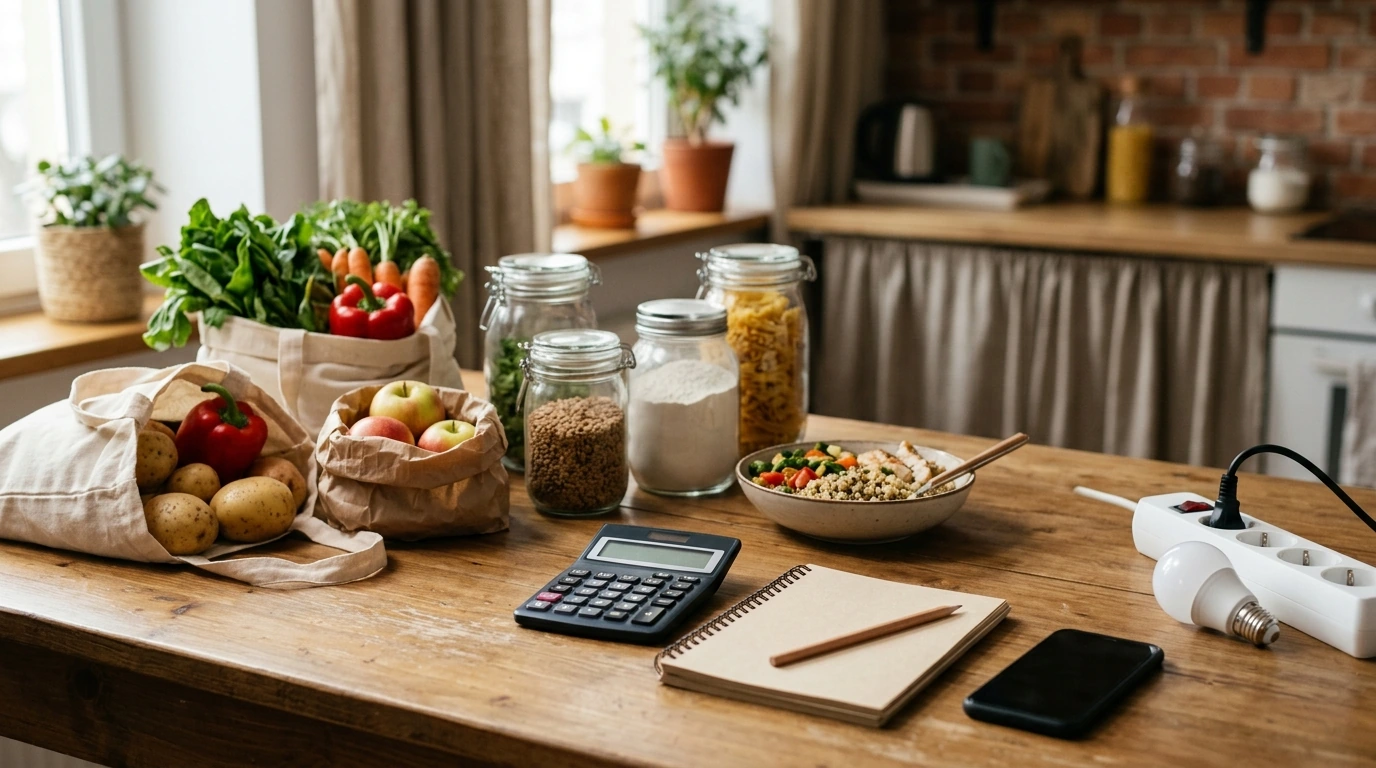
Smart Savings: Simple Home Habits That Make Every Dollar Count
Saving money at home gets dramatically easier when it’s baked into routines—how groceries are planned, how energy is used, how meals are handled, and how purchases are paused before checkout. The goal isn’t extreme frugality or complicated tracking. It’s practical, repeatable habits that reduce waste, smooth out cash flow, and still leave room for the things you enjoy.
Start with a “home spending map” (the fastest way to find leaks)
Most budgets fail because they’re too detailed to maintain. A “home spending map” keeps it simple: you’re looking for frequent spending, not perfection.
- Sort home-related spending into a few buckets: groceries, utilities, subscriptions, household supplies, dining/coffee, transportation, and “miscellaneous.”
- Pick one week to track receipts and bank transactions; highlight repeat purchases and “small” buys that happen often.
- Identify the top two categories with the most frequent transactions (not just the biggest totals); these usually offer the quickest wins.
- Set a single weekly target for each chosen category (simple caps tend to work better than complex rules).
- Create a one-line rule for each category (examples: “one grocery trip,” “no convenience drinks,” “unplug standby devices nightly”).
Quick Home Savings Audit
| Area | What to check this week | Low-effort change | Potential payoff |
|---|---|---|---|
| Groceries | Impulse items, food waste, extra trips | Plan 5 dinners + shop once | Fewer add-ons and less spoilage |
| Utilities | Thermostat habits, standby power, hot water use | Adjust thermostat 1–2° + power strip | Lower monthly bills over time |
| Subscriptions | Auto-renewals, unused apps/streaming | Cancel or pause one service | Immediate monthly savings |
| Household supplies | Duplicate cleaners, paper products, convenience packs | Use refillables + buy only when needed | Fewer repeats and less clutter |
| Dining/coffee | Takeout frequency, delivery fees | “Two meals out” rule per week | Big savings with minimal lifestyle change |
Grocery savings that don’t feel like deprivation
The easiest grocery savings come from reducing waste and extra trips—without making meals boring.
- Use a “cook once, eat twice” plan: choose 2–3 versatile proteins or plant-based mains and repurpose leftovers into lunches.
- Build meals around low-waste staples (rice, beans, pasta, frozen vegetables, eggs, in-season produce).
- Create a fixed “pantry baseline” list and only replace what’s actually used; this reduces accidental duplicates.
- Shop with a short list plus one flexible slot (a single treat or new ingredient) to curb impulse buying.
- Use a leftovers night and a freezer bin to prevent forgotten food from turning into waste.
- Compare unit prices and prefer store brands for basics where quality is comparable.
If food waste is a consistent drain, a quick reset helps: designate one shelf as the “use first” zone and plan one dinner each week that’s specifically meant to clear odds and ends. For deeper guidance on reducing waste at home, see the USDA food waste resources.
Lower utility bills with small, sustainable switches
Utility savings are often about consistency. A handful of default settings can quietly reduce bills month after month.
- Set thermostat routines for sleep and away hours; consistent habits matter more than a perfect number.
- Reduce standby power: use power strips for entertainment centers and unplug rarely used chargers.
- Wash clothes in cold water when possible and run full loads; air-dry items that don’t need the dryer.
- Shorten hot-water use: quicker showers, cold rinse for many cycles, and fix dripping faucets promptly.
- Swap to LED bulbs as old bulbs burn out; focus first on the most-used rooms.
- Use natural light and zone heating/cooling (spend comfort where people actually are).
For practical, room-by-room ideas that build on these habits, the U.S. Department of Energy’s Energy Saver guide is a solid reference.
Make home budgeting simple enough to stick with
The best budget is the one that survives busy weeks. Keep it lightweight, then revisit for ten minutes at a time.
If you want a straightforward budgeting refresher, the FTC’s consumer budgeting advice is a helpful baseline.
Cut subscription and convenience costs without losing what you enjoy
Build a savings system that keeps working
Put it all together with a guided checklist
Helpful tools you can use right away
- Smart Savings: How to Save Money at Home and Make Every Dollar Count (digital download) — a structured, printable approach for practical home budgeting and everyday savings.
- Calvin Klein Women’s Spring/Summer Backpack — useful for batching errands and avoiding multiple small trips (and the impulse stops that come with them).
- New Balance 1906R Light Blue Leather Sneakers — a comfortable option for walking more local errands when it makes sense, helping reduce short car trips over time.
FAQ
What is the easiest way to start saving money at home?
Track one week of home spending, then set one simple cap (often groceries or dining) and add one utility habit like a thermostat routine or unplugging standby devices at night. Quick wins come from consistency, not perfect tracking.
How can a household cut grocery costs without eating bland meals?
Plan five dinners, use a cook-once-eat-twice approach, and rely on seasonal produce plus frozen vegetables for variety. Keep one “flex slot” item each trip for something fun, and run a leftovers/freezer system so good food doesn’t get wasted.
How much should be saved each month on a tight budget?
Start small and sustainable—even $5–$25 per week builds a buffer. Prioritize essentials, automate a tiny transfer, and increase the amount only after bills and minimum payments feel stable.
Recommended for you



Was this article helpful?
Yes
No








Leave a comment