-
Shop
- Advanced Technologies
- AI Skills
- Apple Accessories
- Arts, Crafts & Hobbies
- Bathroom
- Beauty
- Best-Sellers
- Car Accessories
- Car Buying & Ownership
- Confidence
- Dating & Social Skills
- Digital Resources
- Education & Learning
- Family & Parenting
- Fashion
- Alexander McQueen
- Bags & Wallets
- Balenciaga
- Belts
- Blazers
- Bottega Veneta
- Bottoms
- Brunello Cucinelli
- Burberry
- Chanel
- Chloé
- Dior
- Dolce & Gabbana
- Dresses
- Etro
- Fendi
- Gucci
- Hats & Hair Accessories
- Hoodies & Sweatshirts
- Jacquemus
- Jewelry
- Jil Sander
- Jimmy Choo
- Kiton
- Luggage
- Men's Fashion
- Miu Miu
- Off-White
- Outerwear
- Prada
- Rick Owens
- Saint Laurent
- Scarves
- Shoe Accessories
- Shoes
- Skirts
- Socks & Tights
- Sunglasses
- Sweaters & Cardigans
- The Row
- Tom Ford
- Tops & Shirts
- Valentino
- Valentino Garavani
- Versace
- Vivienne Westwood
- Watches
- Fashion Accessories
- Furniture
- Gadgets
- Gift Ideas
- Gifts
- Health & Beauty
- Health & Wellness
- Home & Garden
- Home & Kitchen
- Home Electronics
- Home Styling & Organization
- Home Supplies
- Kids & Babies
- Kids & Babies
- Kitchen
- Lighting
- Nike
- Parenting & Child Development
- Patio, Lawn & Garden
- Personal Growth
- Personal Style & Fashion
- Pet Care
- Pet Lifestyle & Wellness
- Pet Supplies
- Pets
- Sport & Outdoors
- Super Deals
- Travel
- Travel & Adventure
- Wealth
- Wellness
- Popular
- Best deals
Silicone Baby Feeding Set: Bib, Bowl, Fork & Spoon
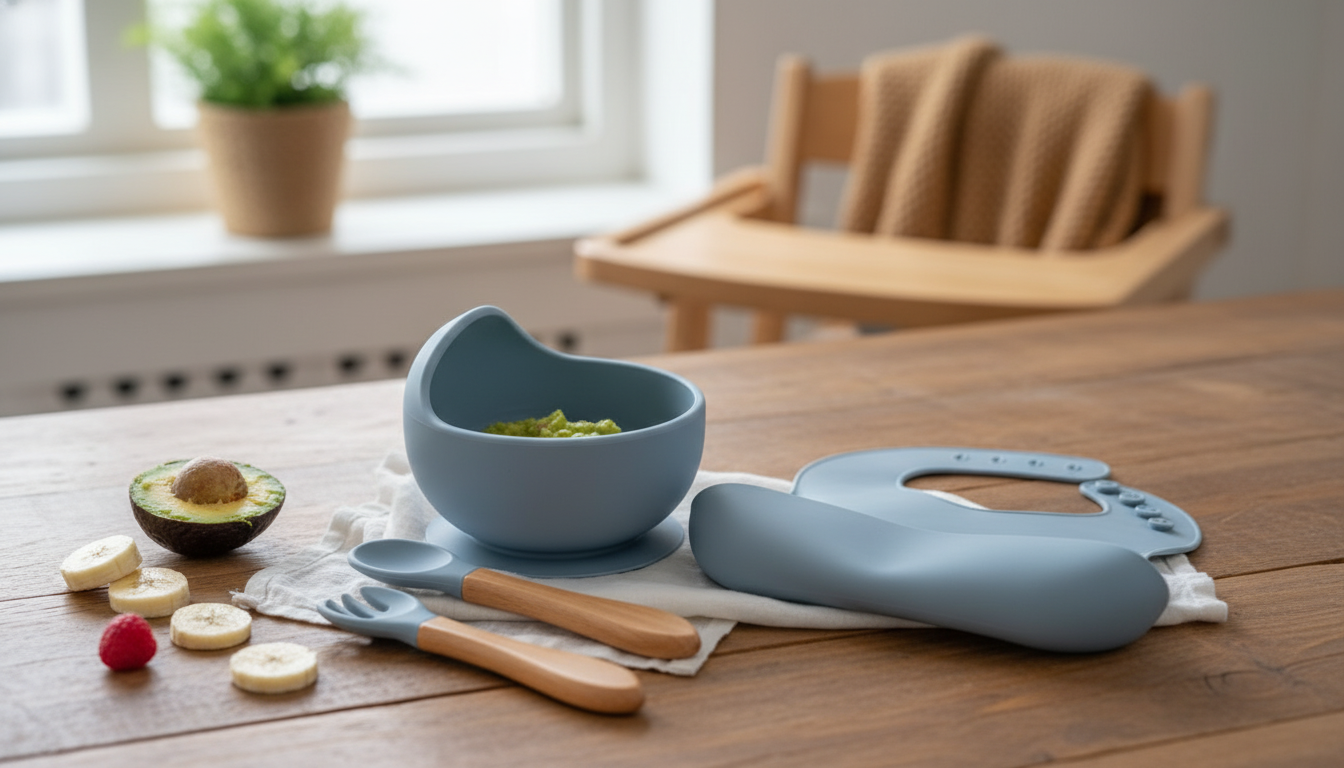
Silicone Baby Feeding Set – Waterproof Bib, Non-Slip Bowl, Fork & Spoon
Mealtimes get easier when the essentials work together: a bib that catches spills, a bowl that stays put, and utensils sized for small hands and mouths. A silicone feeding set is built for everyday use at home or on the go, with quick cleanup and a comfortable, baby-friendly feel. Whether you’re starting first tastes or supporting early self-feeding, using the same setup each meal can help reduce guesswork for caregivers and frustration for little ones. For more guidance, see [PDF] Example Products for Feeding Infants, Toddlers, and Children.
What’s in the set and why it matters
A coordinated feeding set keeps the basics consistent from meal to meal, which can be especially helpful when babies are learning routines and caregivers are juggling timing, textures, and cleanup. For further reading, see [PDF] Assistive Technology & Universal Design for Learning Toolkit.
- Waterproof silicone bib helps reduce outfit changes by catching drips and crumbs before they hit the lap.
- Non-slip bowl supports self-feeding by staying steadier on high-chair trays and tables.
- Fork and spoon are sized for early feeding stages, helping little ones practice grip and coordination.
- A matching set keeps routines consistent for babies and caregivers (same feel, same setup each meal).
Set components at a glance
| Item | Purpose | Everyday benefit |
|---|---|---|
| Waterproof bib | Catches spills and crumbs | Less mess on clothing and floor |
| Non-slip bowl | Helps keep food in place | Fewer slides, flips, and tipping |
| Fork | Early food practice | Supports grip and self-feeding skills |
| Spoon | Purees and soft foods | Easier scooping with less frustration |
Waterproof bib features for cleaner meals
- Water-resistant silicone helps prevent soaking through during purees, sauces, and drooly snack time.
- A catch pocket can help trap dropped bites, reducing the amount that reaches the floor or high-chair creases.
- Soft, flexible material aims to stay comfortable around the neck and shoulders during longer meals.
- Useful beyond meals for teething snacks, sippy cup practice, and messy art activities.
For the best day-to-day results, adjust the neck closure so it’s secure without pressing into the skin. A comfortable fit can reduce tugging and help the bib stay centered so the pocket can do its job.
Non-slip bowl stability and setup tips
- Non-slip design helps the bowl stay steadier so babies can practice scooping instead of chasing the bowl around.
- Best results come from placing the bowl on a clean, dry, smooth surface (wipe the tray/table first).
- Avoid textured surfaces that can reduce grip; if needed, use a flat placemat under the bowl.
- Portioning tip: start with smaller servings and refill—less weight to move, fewer big spills if tipped.
If a bowl seems to “unstick” mid-meal, it’s often because moisture or crumbs broke the contact with the tray. A quick wipe and a firm press-down usually restores a better hold.
Fork and spoon designed for early self-feeding
- Baby-sized utensils can make it easier to transition from being fed to practicing independent bites.
- Rounded, smooth silicone-friendly edges help keep mouth feel gentle for beginners.
- Grip practice: encourage a “palmar” grip first; precision grasp develops later with time and repetition.
- Pair with soft foods (yogurt, mashed veggies, oatmeal, banana) to build confidence before stickier textures.
A simple routine can help: preload a small amount on the spoon, set it in the same spot on the tray, and let your baby reach for it. Consistency builds familiarity—especially during the early weeks of self-feeding practice.
Material and safety considerations for silicone feeding items
- Food-contact items should be used as intended and inspected regularly for damage, tearing, or changes in texture.
- For heat exposure (warm foods, dishwasher cycles), follow care instructions and avoid direct contact with open flames or stovetop heat.
- Before first use: wash thoroughly; for lingering odors, soak in warm water with mild dish soap and air-dry fully.
- Supervise during meals and remove items if any part shows signs of wear.
For broader feeding guidance, the American Academy of Pediatrics and the CDC offer age-and-stage tips, including safe feeding practices and how to build healthy routines. For general information on food-contact substances and packaging, see the U.S. FDA overview.
Cleaning and care for everyday use
Age and stage: making the set work from first tastes onward
Common mealtime challenges and quick fixes
In-stock picks
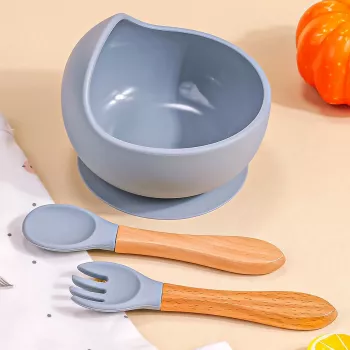
- Silicone Baby Feeding Set – Waterproof Bib, Non-Slip Bowl, Fork & Spoon
- A Guide to Understanding Scent Notes – Beginner-Friendly Fragrance Ebook | Fragrance Notes Explained for Beginners
- Enjoyable Summer Destinations Without the Heat | Travel eBook for Exploring Cool, Comfortable Getaways and Summer Destinations That Aren’t Too Hot
FAQ
How do silicone bibs help with mess compared to fabric bibs?
Silicone bibs create a waterproof barrier that won’t soak through, and many include a pocket that catches dropped bites before they hit the lap. They’re also typically faster to wipe clean than fabric, though comfort and fit still matter for keeping the bib on during a full meal.
Why isn’t my non-slip bowl sticking well?
Crumbs, moisture, and textured surfaces can reduce grip. Wipe the tray or table dry, press the bowl down firmly to improve contact, and try a smooth placemat if the surface is patterned or porous.
What’s the best way to remove odors or stains from silicone feeding items?
Wash with mild soap and warm water, then soak in warm, soapy water if odors linger. Dry completely before storing; for stains, prompt rinsing after pigmented foods and avoiding long contact times usually helps minimize discoloration.
Recommended for you


Was this article helpful?
Yes
No






Leave a comment