-
Shop
- Advanced Technologies
- AI Skills
- Apple Accessories
- Arts, Crafts & Hobbies
- Bathroom
- Beauty
- Best-Sellers
- Car Accessories
- Car Buying & Ownership
- Confidence
- Dating & Social Skills
- Digital Resources
- Education & Learning
- Family & Parenting
- Fashion
- Alexander McQueen
- Bags & Wallets
- Balenciaga
- Belts
- Blazers
- Bottega Veneta
- Bottoms
- Brunello Cucinelli
- Burberry
- Chanel
- Chloé
- Dior
- Dolce & Gabbana
- Dresses
- Etro
- Fendi
- Gucci
- Hats & Hair Accessories
- Hoodies & Sweatshirts
- Jacquemus
- Jewelry
- Jil Sander
- Jimmy Choo
- Kiton
- Luggage
- Men's Fashion
- Miu Miu
- Off-White
- Outerwear
- Prada
- Rick Owens
- Saint Laurent
- Scarves
- Shoe Accessories
- Shoes
- Skirts
- Socks & Tights
- Sunglasses
- Sweaters & Cardigans
- The Row
- Tom Ford
- Tops & Shirts
- Valentino
- Valentino Garavani
- Versace
- Vivienne Westwood
- Watches
- Fashion Accessories
- Furniture
- Gadgets
- Gift Ideas
- Gifts
- Health & Beauty
- Health & Wellness
- Home & Garden
- Home & Kitchen
- Home Electronics
- Home Styling & Organization
- Home Supplies
- Kids & Babies
- Kids & Babies
- Kitchen
- Lighting
- Nike
- Parenting & Child Development
- Patio, Lawn & Garden
- Personal Growth
- Personal Style & Fashion
- Pet Care
- Pet Lifestyle & Wellness
- Pet Supplies
- Pets
- Sport & Outdoors
- Super Deals
- Travel
- Travel & Adventure
- Wealth
- Wellness
- Popular
- Best deals
Relax Tired Feet: Shiatsu Massager w/ Heat & Compression
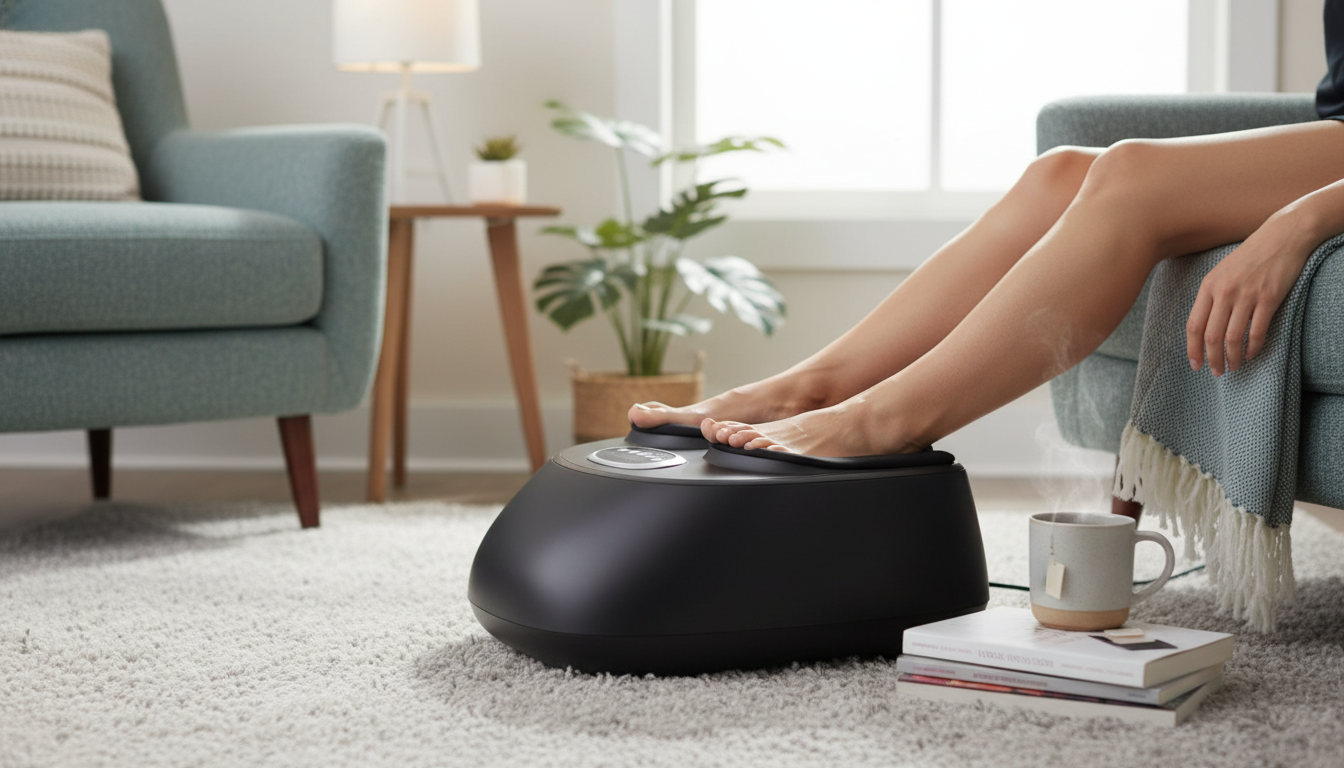
Electric Shiatsu Foot Massager with Heat, Air Compression & Kneading Rollers
Foot discomfort from long days, workouts, or standing can build quickly and linger into the evening. A home foot massager that combines shiatsu kneading, rolling pressure, warming heat, and air compression can help relax tired feet, ease tension through the arches and heels, and make recovery feel more consistent without booking appointments.
What This Foot Massager Does in a Single Session
A well-designed electric foot massager aims to cover the areas that tend to complain the loudest after a busy day: arches, heels, and the ball of the foot. Instead of offering just one type of pressure, it layers sensations so the massage feels more complete—especially when fatigue is spread across the whole foot.
- Targets common hot spots: arches, heels, balls of the feet, and overall foot fatigue after walking or standing
- Combines multiple sensations—kneading rollers for pressure, air compression for a wraparound squeeze, and heat for gentle warming
- Designed for short daily routines that fit into evenings, desk breaks, or post-workout cooldowns
- Useful for relaxation, routine comfort, and winding down before bed
For people dealing with recurring foot tightness, it can also be helpful to learn what’s normal soreness versus something that needs professional attention. For example, persistent heel pain is often discussed in resources on plantar fasciitis.
How Shiatsu Kneading Rollers and Air Compression Work Together
Shiatsu kneading rollers and air compression are different sensations—and together, they can feel more “whole-foot” than either one alone. Rollers focus underfoot, while compression supports the sides and top area with a rhythmic squeeze.
- Kneading rollers apply focused pressure along the sole to mimic hands working the arch and midfoot
- Air compression adds an enclosing, rhythmic squeeze that can feel like a supportive wrap around the foot
- Using both can create a more “full-foot” massage: pressure underfoot plus compression around the sides/top area
- Alternating intensity and duration helps avoid overdoing pressure on sensitive areas
Massage Modes and What They Feel Like
| Feature | Primary sensation | Best for | Tips |
|---|---|---|---|
| Shiatsu kneading rollers | Deep, targeted pressure along the sole | Arch tension, general foot tightness | Start low intensity; reposition feet slightly to shift pressure points |
| Air compression | Rhythmic squeeze around the foot | Overall fatigue, “puffy” tired feeling | Loosen footwear first; avoid max compression if sensitive |
| Heat | Gentle warming | Cold feet, relaxation, stiffness after a long day | Use with socks if heat feels strong; stop if skin feels irritated |
| Combined session | Layered pressure + squeeze + warmth | End-of-day recovery routine | Limit to a comfortable time window and hydrate afterward |
Heat: Comfort, Timing, and When to Skip It
Heat is often what turns a “useful” session into a truly soothing one. Warmth can make feet feel looser, especially if they get cold easily or feel stiff after a long stretch of standing.
- Heat can make a session feel more soothing, especially when feet feel cold or stiff
- Use heat for the middle portion of a routine, then finish with lighter settings if feet become sensitive
- Skip heat if there is reduced sensation, active inflammation, or any condition where heat is contraindicated
- If swelling, redness, or pain increases, discontinue and consult a clinician
If there’s numbness, tingling, or reduced ability to feel temperature or pressure, caution matters. Reputable overviews of nerve-related symptoms include NIH MedlinePlus on peripheral neuropathy and Mayo Clinic’s guide to diabetic neuropathy.
A Simple Daily Routine (5–15 Minutes)
The most comfortable routines tend to ramp up gradually and end gently. This helps you enjoy a “firm but friendly” massage without stepping off the device feeling tender.
- Start: low kneading + light compression for 2–3 minutes to ease into pressure
- Middle: add heat and increase one setting at a time, staying within a “pleasant pressure” range
- Finish: reduce compression or kneading for the last 1–2 minutes to avoid lingering soreness
- Frequency: daily or a few times per week depending on sensitivity and activity level
A practical rule: if you notice sharp pain, pins-and-needles, or a numb patch afterward, scale back intensity and duration next time. Consistency with moderate settings typically feels better than occasional max-intensity sessions.
Fit, Foot Size, and Comfort Considerations
Fit determines whether the massage feels supportive or distracting. A secure feel helps the rollers contact the sole correctly and allows the compression to feel like a steady wrap rather than a pinch.
Care, Cleaning, and Longevity
Who This Style of Massager Is Best For
In-Stock Picks to Build a Relaxation Routine
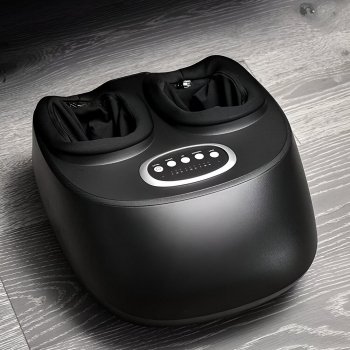
- Electric Shiatsu Foot Massager with Heat, Air Compression & Kneading Rollers
- A Guide to Understanding Scent Notes – Beginner-Friendly Fragrance Ebook | Fragrance Notes Explained for Beginners
- Enjoyable Summer Destinations Without the Heat | Travel eBook for Exploring Cool, Comfortable Getaways and Summer Destinations That Aren’t Too Hot
FAQ
How long should a foot massage session be?
Most people do well with about 5–15 minutes, starting shorter and on lower intensity until the pressure feels comfortable. Stop early if you notice soreness, numbness, sharp pain, or skin irritation.
Is heat safe to use every day on a foot massager?
Daily heat is often fine when the warmth feels comfortable and sessions stay moderate, but it may not be appropriate if you have reduced sensation, neuropathy, circulation concerns, or active inflammation. When in doubt, get medical guidance before making heat a daily habit.
What should the pressure feel like with shiatsu kneading and air compression?
A good target is “firm but comfortable” pressure that relaxes the foot rather than making you brace. Adjust intensity, wear socks if needed, and reposition your feet to avoid sharp pain, tingling, or lingering tenderness.
Recommended for you


Was this article helpful?
Yes
No






Leave a comment