-
Shop
- Advanced Technologies
- AI Skills
- Apple Accessories
- Arts, Crafts & Hobbies
- Bathroom
- Beauty
- Best-Sellers
- Car Accessories
- Car Buying & Ownership
- Confidence
- Dating & Social Skills
- Digital Resources
- Education & Learning
- Family & Parenting
- Fashion
- Alexander McQueen
- Bags & Wallets
- Balenciaga
- Belts
- Blazers
- Bottega Veneta
- Bottoms
- Brunello Cucinelli
- Burberry
- Chanel
- Chloé
- Dior
- Dolce & Gabbana
- Dresses
- Etro
- Fendi
- Gucci
- Hats & Hair Accessories
- Hoodies & Sweatshirts
- Jacquemus
- Jewelry
- Jil Sander
- Jimmy Choo
- Kiton
- Luggage
- Men's Fashion
- Miu Miu
- Off-White
- Outerwear
- Prada
- Rick Owens
- Saint Laurent
- Scarves
- Shoe Accessories
- Shoes
- Skirts
- Socks & Tights
- Sunglasses
- Sweaters & Cardigans
- The Row
- Tom Ford
- Tops & Shirts
- Valentino
- Valentino Garavani
- Versace
- Vivienne Westwood
- Watches
- Fashion Accessories
- Furniture
- Gadgets
- Gift Ideas
- Gifts
- Health & Beauty
- Health & Wellness
- Home & Garden
- Home & Kitchen
- Home Electronics
- Home Styling & Organization
- Home Supplies
- Kids & Babies
- Kids & Babies
- Kitchen
- Lighting
- Nike
- Parenting & Child Development
- Patio, Lawn & Garden
- Personal Growth
- Personal Style & Fashion
- Pet Care
- Pet Lifestyle & Wellness
- Pet Supplies
- Pets
- Sport & Outdoors
- Super Deals
- Travel
- Travel & Adventure
- Wealth
- Wellness
- Popular
- Best deals
Calm Cat Bathing: Low-Stress Steps & Easy Alternatives
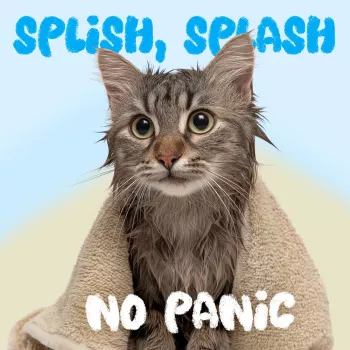
Splish, Splash, No Panic: Gentle Solutions for Cats Who Hate Baths
Some cats tolerate water; many find it confusing, loud, slippery, and threatening. Stress-free bathing is less about “getting it done” and more about reducing fear, preventing scratches, and choosing the least intrusive option that still solves the problem (dirt, fleas, medical shampoo, or something stuck in the coat). This guide-style approach focuses on calm handling, smart setup, and alternatives that often work better than a full bath.
Do cats really need baths?
Most healthy cats keep themselves clean, so routine bathing is usually unnecessary. Baths make the most sense when there’s a clear goal: removing grease, reducing allergens, using a medicated shampoo, addressing parasites under veterinary direction, or cleaning feces/urine contamination.
Coat type and age matter. Seniors, overweight cats, and long-haired cats may struggle to groom thoroughly, making mats and hygiene issues more likely. If odor is the concern, it’s smarter to look for the source—dental disease, skin infection, anal gland problems, or dirty bedding—rather than trying to cover it with fragrance.
For fleas or skin problems, confirm the safest treatment plan with a veterinarian before bathing, especially for kittens or cats with chronic illness. Helpful general guidance is also available from the AVMA and the Cornell Feline Health Center.
Common situations and the least-stress cleaning option
| Situation | Least-stress first choice | When a full bath may be needed |
|---|---|---|
| Light dander or mild odor | Brushing + damp microfiber wipe | If veterinarian prescribes medicated shampoo |
| Small dirty spot on paws or tail | Spot-clean with warm cloth; rinse with minimal water | If sticky substances spread through the coat |
| Greasy coat (some seniors, some breeds) | Degreasing cat-safe wipes + thorough brushing | If grease is widespread and persistent |
| Feces/urine stuck to fur | Clip/shave soiled area (groomer/vet), then wipe | If contamination covers a large area |
| Fleas | Veterinary-approved topical/oral preventives | If directed by veterinarian as part of treatment |
| Medicated treatment | Follow prescription label exactly | Usually required when prescribed; prioritize low-stress setup |
Before water: set up a calm, safe bathing space
A stressed cat escalates faster in a chaotic room. Choose a small, warm bathroom or laundry room, close doors, and reduce noise before bringing your cat in. The roar of running water can be a trigger all by itself, so prep first and keep sounds minimal.
- Gather everything ahead of time: towels, cat-safe shampoo (only if needed), a cup or gentle sprayer, treats, and a non-slip mat.
- Trim nails about 24 hours in advance when possible, so bath day doesn’t stack stressors.
- Add traction. A rubber mat or folded towel prevents the “sliding panic” that often causes sudden thrashing.
- Keep water lukewarm. Too hot or too cold increases struggling and can irritate skin.
Desensitization that actually fits real life
For many cats, the fastest “fix” is a slower approach: teach them that the bathroom and tub aren’t always bad news. This doesn’t have to be a long training project—small, repeatable wins matter.
- Do brief “no-bath” visits: walk in, offer a treat, maybe a quick toy session, then leave.
- Practice dry runs: put the non-slip mat in an empty tub or sink, reward for stepping in, and end early while your cat is still calm.
- Separate the sound from the soaking: turn on water briefly at a distance, reward, and slowly decrease distance over several days.
- Measure progress by body language (looser posture, fewer stress signals), not by how quickly you can finish.
A low-stress bath sequence for cats who hate baths
If a full bath truly is needed, aim for a short, predictable sequence. Calm repetition beats improvising mid-scramble.
- Brush first. Removing loose fur and small tangles makes shampooing faster and rinsing easier.
- Set the “base layer.” Place a towel over the mat for extra grip, and keep a second towel within arm’s reach for the immediate wrap-up.
- Wet gradually. Start from shoulders down and avoid the face. Use a cup or a gentle sprayer on low pressure.
- Use minimal shampoo (only if needed). Lather quickly. Keep contact time short unless a medicated label specifies otherwise.
- Rinse longer than you shampoo. Residue can cause itching and can make the next bath feel worse to your cat.
- Clean the face separately. Use a damp cloth for cheeks and chin. Avoid pouring water over the head.
- Finish with a warm “burrito” wrap. Blot—don’t rub—then keep your cat warm until fully dry.
Alternatives to full bathing (often the best option)
Troubleshooting fear, aggression, and shutdown
Aftercare: keeping the peace once the bath is over
A step-by-step digital guide for calmer cat bathing
If you want a ready-to-follow routine that covers preparation, handling, practical alternatives, and gradual training, see: Splish, Splash, No Panic: Gentle Solutions for Cats Who Hate Baths – A Digital Guide for Stress-Free Cat Bathing.
For households that need a quiet distraction while one person manages setup (especially with kids at home), this can also help keep the environment calmer: Montessori 3D Shape Matching Puzzle.
FAQ
How often should a cat be bathed?
Usually rarely—only when there’s a specific need like medicated shampoo, heavy contamination, grease, or fleas if a veterinarian directs it. Brushing and spot-cleaning are the best first-line options for most cats.
What if a cat becomes aggressive during a bath?
Prioritize safety and stop the session. Wrap your cat in a towel to contain claws, allow time to decompress, and switch to lower-stress alternatives like spot-cleaning or professional grooming; ask a veterinarian about a safer plan for severe anxiety.
Can human shampoo be used on cats?
No. Human shampoos can disrupt a cat’s skin balance and may contain ingredients that irritate skin or are unsafe if licked; use cat-specific products or veterinarian-recommended medicated shampoos only.
Recommended for you

Was this article helpful?
Yes
No







Leave a comment