-
Shop
- Advanced Technologies
- AI Skills
- Apple Accessories
- Arts, Crafts & Hobbies
- Bathroom
- Beauty
- Best-Sellers
- Car Accessories
- Car Buying & Ownership
- Confidence
- Dating & Social Skills
- Digital Resources
- Education & Learning
- Family & Parenting
- Fashion
- Alexander McQueen
- Bags & Wallets
- Balenciaga
- Belts
- Blazers
- Bottega Veneta
- Bottoms
- Brunello Cucinelli
- Burberry
- Chanel
- Chloé
- Dior
- Dolce & Gabbana
- Dresses
- Etro
- Fendi
- Gucci
- Hats & Hair Accessories
- Hoodies & Sweatshirts
- Jacquemus
- Jewelry
- Jil Sander
- Jimmy Choo
- Kiton
- Luggage
- Men's Fashion
- Miu Miu
- Off-White
- Outerwear
- Prada
- Rick Owens
- Saint Laurent
- Scarves
- Shoe Accessories
- Shoes
- Skirts
- Socks & Tights
- Sunglasses
- Sweaters & Cardigans
- The Row
- Tom Ford
- Tops & Shirts
- Valentino
- Valentino Garavani
- Versace
- Vivienne Westwood
- Watches
- Fashion Accessories
- Furniture
- Gadgets
- Gift Ideas
- Gifts
- Health & Beauty
- Health & Wellness
- Home & Garden
- Home & Kitchen
- Home Electronics
- Home Styling & Organization
- Home Supplies
- Kids & Babies
- Kids & Babies
- Kitchen
- Lighting
- Nike
- Parenting & Child Development
- Patio, Lawn & Garden
- Personal Growth
- Personal Style & Fashion
- Pet Care
- Pet Lifestyle & Wellness
- Pet Supplies
- Pets
- Sport & Outdoors
- Super Deals
- Travel
- Travel & Adventure
- Wealth
- Wellness
- Popular
- Best deals
Cool Summer Getaways: Comfortable Trips Without the Heat
Hot, humid summers can turn a long-awaited trip into a constant search for shade and air-conditioning. Cooler summer destinations offer the same scenery, culture, and outdoor fun—without the exhausting temperatures. This guide maps out where to go, when to go, and how to plan a summer break that feels refreshing instead of relentless.
What “cool and comfortable” means for summer travel
“Cool” doesn’t have to mean chilly—it usually means daytime highs that hover in the 60s–70s°F (15–26°C) instead of weeks stuck in the 80s–90s°F (27–35°C). That range keeps walking tours, scenic drives, and outdoor meals enjoyable rather than draining.
Humidity is the other half of comfort. A breezy 74°F coastal afternoon can feel easier than an 82°F inland day with heavy moisture in the air. Also, long daylight at higher latitudes can extend sightseeing without forcing you into a midday heat break.
Finally, remember microclimates: a 30–60 minute drive can bring a real temperature swing near coasts, lakes, and mountains. Planning around those pockets—foggy shoreline mornings, alpine evenings, or lake-cooled towns—often makes the whole trip feel smoother.
Destination types that stay cooler (and why they work)
Coastal North Atlantic and Pacific
Cold ocean currents and marine layers moderate temperature spikes. Fog can be a feature, not a flaw—especially if it means a comfortable afternoon for harbor walks, beachcombing, and seafood patios.
Mountains and high-elevation towns
Altitude is a natural thermostat. Many mountain towns keep daytime highs modest, and nights cool off enough for better sleep—perfect for early trail starts and long, unhurried evenings.
Northern latitudes
Higher-latitude destinations generally see shorter, gentler heat waves. That’s ideal for city breaks where you want to walk neighborhood-to-neighborhood without planning every move around air-conditioned stops.
Lake regions
Large lakes soften temperature swings and encourage breezy evenings. Pair morning paddles with shaded forest trails, then finish with a lakeside dinner that doesn’t feel like a sauna.
Forest-heavy areas
Tree canopy reduces radiant heat and makes midday hikes more comfortable. Forest destinations can also feel cooler simply because you spend more time in shade, not full sun.
Reliable cool-summer regions to consider
If you’re building a shortlist, these regions tend to deliver comfortable summer conditions while still feeling like a real “summer vacation.” As always, confirm your exact dates against local climate normals—NOAA’s Climate Data Online is a practical place to start.
For real-time awareness during active summers, the CDC’s Heat and Health Tracker can help you spot unusual heat risk patterns before locking plans.
Quick planning checklist for avoiding peak heat
Destination ideas by vibe (city, nature, and mixed itineraries)
| Trip style | Best setting | Why it stays comfortable | Ideal daily plan |
|---|---|---|---|
| Coastal strolling | North Atlantic / North Pacific coasts | Marine air and breezes keep afternoons mild | Morning walk + midday café + evening harbor views |
| Alpine escapes | Mountain towns and national parks | Higher elevation lowers daytime highs and cools nights | Early hike + lake picnic + sunset scenic ride |
| Lake country | Large lakes and forest regions | Water moderates temperatures; evenings stay pleasant | Paddle in the morning + shaded trail + lakeside dinner |
| Northern city breaks | Higher-latitude capitals and port cities | Milder averages and longer daylight | Midday museums + late dinner walk + nightlife |
For scenic drives
For outdoor adventures
Choose alpine day hikes, cold-water kayaking, and waterfall trails where misty viewpoints make the air feel cooler. If you’ll be outside for hours, track local advisories and extreme heat guidance from the World Meteorological Organization when seasonal patterns are unpredictable.
For culture and food
For relaxation
Common mistakes that make “cool trips” feel warmer than expected
A handy tool for building a cool-summer itinerary
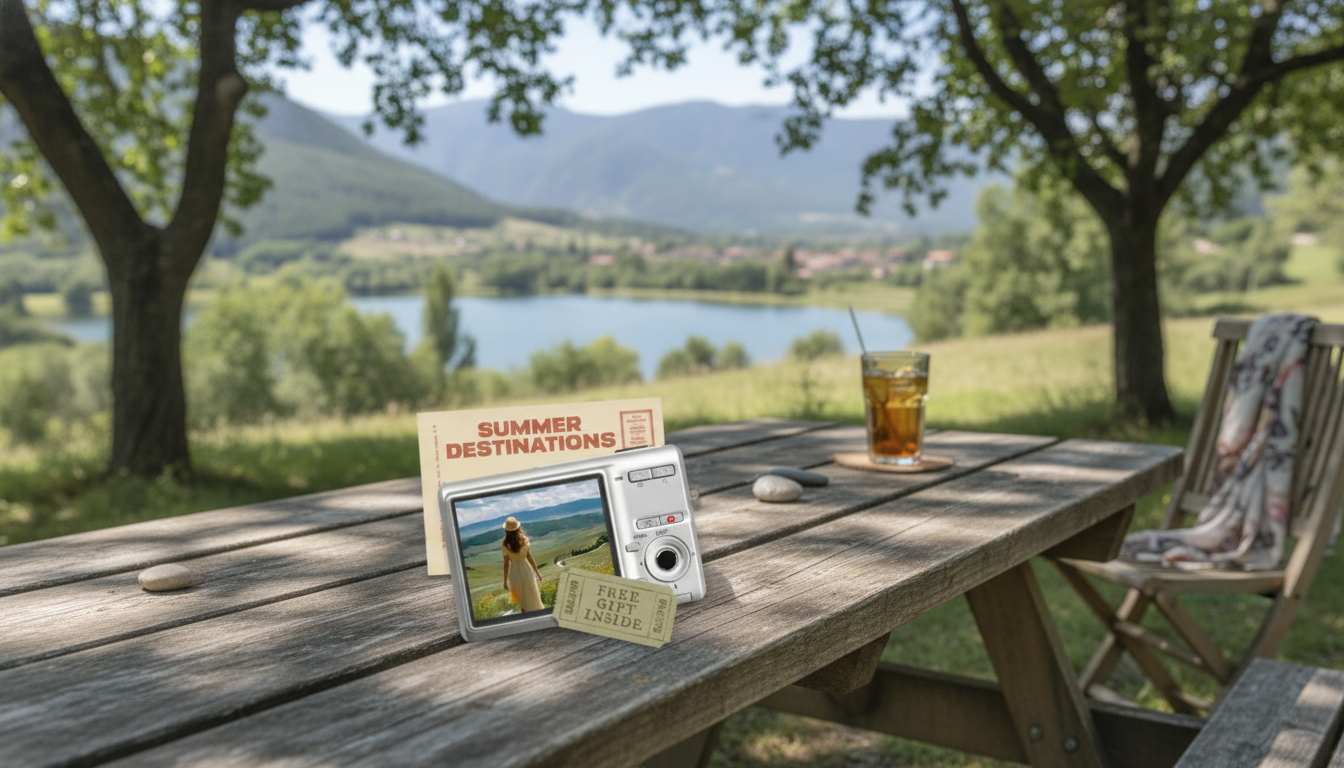
If you want a comfort-first structure for planning, Enjoyable Summer Destinations Without the Heat | Travel eBook organizes destination ideas, timing tips, packing guidance, and day-by-day planning concepts designed around mild weather and breezy locations. Pair it with climate normals and your local forecast check to pick the best week to go.
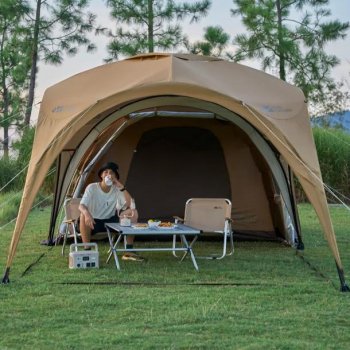
For travelers leaning into lakes, coastlines, or open viewpoints, a reliable shelter can turn a breezy day into an all-day hangout. The Waterproof Sunshade Canopy Tent for Camping and Glamping is a practical add-on for cabin trips, beach days that run cool, and picnic-style itineraries where you want shade without retreating indoors.
FAQ
Which summer destinations are warm but not too hot?
Look for coastal areas and high-elevation towns where typical highs stay in the 60s–70s°F (15–26°C), especially places known for steady breezes. Check climate normals for your exact month and pay attention to humidity, which can make “moderate” temperatures feel much warmer.
How can a trip stay comfortable during a summer heat wave?
Shift outdoor plans to mornings and evenings, and use microclimates—coasts, lakeshores, and higher elevations often feel cooler than nearby inland areas. Choose breezy or shaded lodging, hydrate consistently, and monitor local heat advisories so you can adapt day by day.
What should be packed for cool summer destinations?
Use a simple layer system: light base layers, a midlayer fleece or light insulated jacket, and a rain shell for sudden changes. Bring comfortable walking shoes and sun protection as well, since UV can be intense at altitude and along reflective water.
Recommended for you


Was this article helpful?
Yes
No








Leave a comment