-
Shop
- Advanced Technologies
- AI Skills
- Apple Accessories
- Arts, Crafts & Hobbies
- Bathroom
- Beauty
- Best-Sellers
- Car Accessories
- Car Buying & Ownership
- Confidence
- Dating & Social Skills
- Digital Resources
- Education & Learning
- Family & Parenting
- Fashion
- Alexander McQueen
- Bags & Wallets
- Balenciaga
- Belts
- Blazers
- Bottega Veneta
- Bottoms
- Brunello Cucinelli
- Burberry
- Chanel
- Chloé
- Dior
- Dolce & Gabbana
- Dresses
- Etro
- Fendi
- Gucci
- Hats & Hair Accessories
- Hoodies & Sweatshirts
- Jacquemus
- Jewelry
- Jil Sander
- Jimmy Choo
- Kiton
- Luggage
- Men's Fashion
- Miu Miu
- Off-White
- Outerwear
- Prada
- Rick Owens
- Saint Laurent
- Scarves
- Shoe Accessories
- Shoes
- Skirts
- Socks & Tights
- Sunglasses
- Sweaters & Cardigans
- The Row
- Tom Ford
- Tops & Shirts
- Valentino
- Valentino Garavani
- Versace
- Vivienne Westwood
- Watches
- Fashion Accessories
- Furniture
- Gadgets
- Gift Ideas
- Gifts
- Health & Beauty
- Health & Wellness
- Home & Garden
- Home & Kitchen
- Home Electronics
- Home Styling & Organization
- Home Supplies
- Kids & Babies
- Kids & Babies
- Kitchen
- Lighting
- Nike
- Parenting & Child Development
- Patio, Lawn & Garden
- Personal Growth
- Personal Style & Fashion
- Pet Care
- Pet Lifestyle & Wellness
- Pet Supplies
- Pets
- Sport & Outdoors
- Super Deals
- Travel
- Travel & Adventure
- Wealth
- Wellness
- Popular
- Best deals
Invisible Sleep Earbuds: Comfy Bluetooth for Side Sleepers
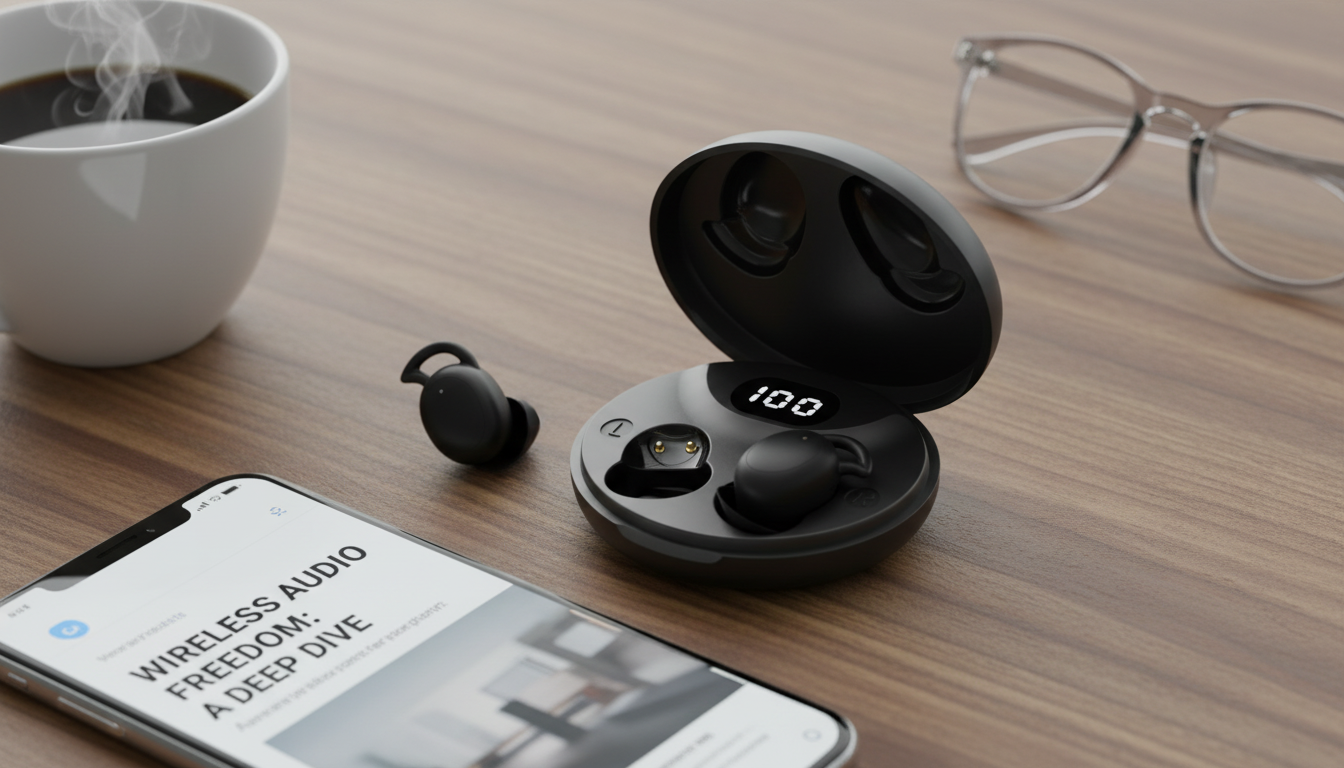
Invisible Wireless Sleep Earbuds for Comfortable Side Sleeping
Sleeping with audio shouldn’t mean sore ears, tangled cords, or earbuds that pop out overnight. These small, low-profile Bluetooth sleep earbuds are designed to sit discreetly in the ear while helping block distractions, support relaxation routines, and stay comfortable for side sleepers.
What makes earbuds comfortable for side sleeping
Side sleepers usually feel discomfort first—right where the ear meets the pillow. Comfort-focused sleep earbuds aim to reduce that “hot spot” so you can keep your usual sleep position without constantly adjusting.
- Low-profile shape helps reduce pressure between the ear and pillow.
- Lightweight build can feel less noticeable during long wear.
- A secure, gentle fit helps prevent shifting when changing positions.
- Soft ear tips (when included) can reduce friction and soreness.
When evaluating comfort, focus on how flush the earbud sits and whether the tip size creates a seal without “stretching” the ear canal. A snug seal is helpful; a tight, forced fit is not.
How “invisible” earbuds fit into a bedtime routine
“Invisible” sleep earbuds are typically designed to be discreet and low-profile—less noticeable in the ear and less likely to snag on bedding. They’re often used as part of a consistent wind-down routine, which many sleep experts recommend for better rest. For general sleep hygiene guidance, the American Academy of Sleep Medicine is a helpful reference.
- Calming audio options: white noise, nature sounds, meditation tracks, or quiet music.
- Masking everyday noise: helps soften intermittent sounds like traffic, roommates, or a snoring partner (without promising complete silence).
- Discreet appearance: useful for travel, naps, or shared sleeping spaces.
- Wireless convenience: no cord pull and less bedside clutter.
For many light sleepers, the biggest benefit is consistency: putting in earbuds, starting a familiar audio track, and letting that cue signal “time to power down.”
Key features to check before buying
Not all earbuds that look small actually feel comfortable on a pillow. Before choosing a pair for sleep, it helps to verify a few practical details that matter more at night than during daytime listening.
- Comfort profile: look for a compact design intended to sit flush with the ear.
- Ear tip options: multiple sizes improve comfort and seal for different ear shapes.
- Controls: consider whether taps/buttons are easy to use without accidental presses on a pillow.
- Charging method: verify how the earbuds charge and how easy the case is to place on a nightstand.
- Bluetooth stability: a steady connection helps avoid dropouts that can wake light sleepers.
Quick checklist for sleep earbuds
| Feature | Why it matters at night | What to look for |
|---|---|---|
| Low-profile fit | Less pressure on the ear when lying on a pillow | Compact shape that sits flush |
| Secure seal | Helps keep earbuds from falling out | Multiple ear tip sizes |
| Simple controls | Reduces accidental pauses/skips | Lockable or low-sensitivity controls when possible |
| Charging convenience | Easier nightly habit | Case that’s easy to open, seat, and charge |
| Stable wireless connection | Fewer interruptions | Consistent Bluetooth pairing and range for bedside use |
Getting the best fit for comfort and staying power
A great fit is usually more about tip size and insertion angle than “pushing it in.” If your earbuds tend to fall out at night, it’s often a sign the tip is too small, too slick, or not seated securely.
- Start with the smallest tip that still seals; too-large tips often cause pressure while side sleeping.
- Insert gently and rotate until the earbud feels stable without forcing it deeper.
- If one side feels sore, re-seat slightly higher/lower rather than tightening the fit.
- Keep ear tips clean and dry; moisture can reduce grip and comfort.
Battery, volume, and overnight use
Overnight listening is different from a commute: sessions are longer, the environment is quiet, and your ears are more sensitive to sustained sound. Keeping volume modest is a smart habit, and the CDC’s guidance on loud noise and hearing protection is a useful reminder to avoid turning sound up higher than necessary.
Long-term, good sleep matters for overall health and daytime function. If sleep disruption becomes frequent, it may help to review general information from the NIH on sleep deprivation and deficiency and consider adjusting your nighttime routine.
Care, cleaning, and ear comfort
Product spotlight: Invisible Wireless Sleep Earbuds
If you’re looking for a low-profile option built around nighttime comfort, Invisible Wireless Sleep Earbuds – Small Bluetooth Earphones for Comfortable Side Sleeping are designed to sit discreetly while supporting side-sleeping comfort.
At-a-glance
| Item | Details |
|---|---|
| Product | Invisible Wireless Sleep Earbuds – Small Bluetooth Earphones for Comfortable Side Sleeping |
| Price | 19.51 USD |
| Availability | In stock |
More in-stock picks for calmer evenings
For a screen-free wind-down (especially for families), pairing a quiet activity with a consistent bedtime routine can make nights feel less rushed. If you’re building a relaxing pre-sleep habit, the Montessori 3D Shape Matching Puzzle is an in-stock option that supports calm, focused downtime before lights out.
FAQ
Are sleep earbuds comfortable for side sleepers?
They can be, especially when they have a low-profile shape and you use the correct ear tip size. A flush, gentle fit reduces pillow pressure, while over-tightening usually leads to soreness.
Can Bluetooth earbuds be worn all night?
Many people wear them for long sessions, but it’s best to keep volume low, use a sleep timer, and make sure everything is charged before bed. Stop using them if you notice irritation, pressure, or persistent discomfort.
How do sleep earbuds stay in place while tossing and turning?
Staying power usually comes from the right ear tip size, a proper insert-and-rotate placement, and clean, dry tips that grip well. It also helps to avoid a pillow position that presses directly into the earbud.
Recommended for you
Was this article helpful?
Yes
No








Leave a comment