-
Shop
- Advanced Technologies
- AI Skills
- Apple Accessories
- Arts, Crafts & Hobbies
- Bathroom
- Beauty
- Best-Sellers
- Car Accessories
- Car Buying & Ownership
- Confidence
- Dating & Social Skills
- Digital Resources
- Education & Learning
- Family & Parenting
- Fashion
- Alexander McQueen
- Bags & Wallets
- Balenciaga
- Belts
- Blazers
- Bottega Veneta
- Bottoms
- Brunello Cucinelli
- Burberry
- Chanel
- Chloé
- Dior
- Dolce & Gabbana
- Dresses
- Etro
- Fendi
- Gucci
- Hats & Hair Accessories
- Hoodies & Sweatshirts
- Jacquemus
- Jewelry
- Jil Sander
- Jimmy Choo
- Kiton
- Luggage
- Men's Fashion
- Miu Miu
- Off-White
- Outerwear
- Prada
- Rick Owens
- Saint Laurent
- Scarves
- Shoe Accessories
- Shoes
- Skirts
- Socks & Tights
- Sunglasses
- Sweaters & Cardigans
- The Row
- Tom Ford
- Tops & Shirts
- Valentino
- Valentino Garavani
- Versace
- Vivienne Westwood
- Watches
- Fashion Accessories
- Furniture
- Gadgets
- Gift Ideas
- Gifts
- Health & Beauty
- Health & Wellness
- Home & Garden
- Home & Kitchen
- Home Electronics
- Home Styling & Organization
- Home Supplies
- Kids & Babies
- Kids & Babies
- Kitchen
- Lighting
- Nike
- Parenting & Child Development
- Patio, Lawn & Garden
- Personal Growth
- Personal Style & Fashion
- Pet Care
- Pet Lifestyle & Wellness
- Pet Supplies
- Pets
- Sport & Outdoors
- Super Deals
- Travel
- Travel & Adventure
- Wealth
- Wellness
- Popular
- Best deals
Smart Vacay: AI Trip Planning for a Stress-Free Vacation

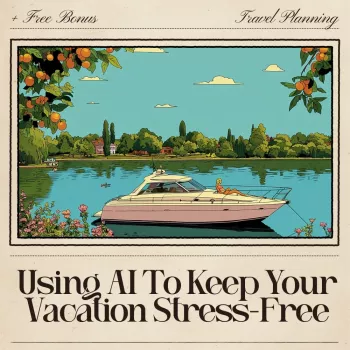
Smart Vacay: Using AI to Keep Your Vacation Stress-Free
Vacation planning can feel like a second job—researching neighborhoods, building an itinerary, tracking confirmations, packing, and keeping everyone on the same page. Smart Vacay is a digital travel guide and AI trip planner eBook designed to streamline decisions and reduce last-minute scrambling, paired with a stress-free vacation checklist that’s ready to print and use right away. The goal is simple: fewer tabs, fewer “Wait, what time was that?” moments, and more breathing room from the first idea to the day you get home.
What Smart Vacay Includes
- Digital travel guide + AI trip planner eBook that turns scattered ideas into a clear plan
- Printable stress-free vacation checklist to keep tasks, packing, and essentials organized
- Instant download for quick access on phone, tablet, or laptop
- Designed to work with popular AI chat tools for faster research, comparisons, and itinerary building
If you want a structured planning toolkit you can reuse, start with Smart Vacay: Using AI to Keep Your Vacation Stress-Free – Digital Travel Guide, AI Trip Planner eBook, Stress-Free Vacation Checklist, Printable & Instant Download.
Why AI Helps Vacations Feel Easier
- Cuts down decision fatigue by narrowing options based on preferences, budget, pace, and constraints
- Speeds up research: neighborhoods, transit, seasonal weather, hours, reservation needs, and typical visit times
- Creates flexible itineraries that balance “must-dos” with recovery time
- Improves coordination for groups by producing shareable day-by-day plans and packing lists
- Helps anticipate common snags (long lines, closures, weather shifts) and suggests backup options
AI can’t remove every surprise, but it can help you see issues earlier—like which attractions need timed entry, which neighborhoods reduce commuting, or what your day looks like when you add real transit time (not just “it’s close”).
A Simple Workflow: From Idea to Booked Plan
- Start with constraints: dates, travelers, budget range, mobility needs, and preferred pace (relaxed vs. packed).
- Generate shortlists: use AI to propose 2–3 destinations or neighborhoods, then filter by priorities (food, museums, beaches, kid-friendly, nightlife).
- Draft a realistic day shape: a morning anchor activity, a flexible midday block, one evening plan, plus built-in breaks.
- Add logistics: transit choices, estimated travel times, ticket windows, reservation notes, and addresses.
- Finalize and share: store confirmations (flight/hotel/activities), keep documents in one place, and share a clean version with travel companions.
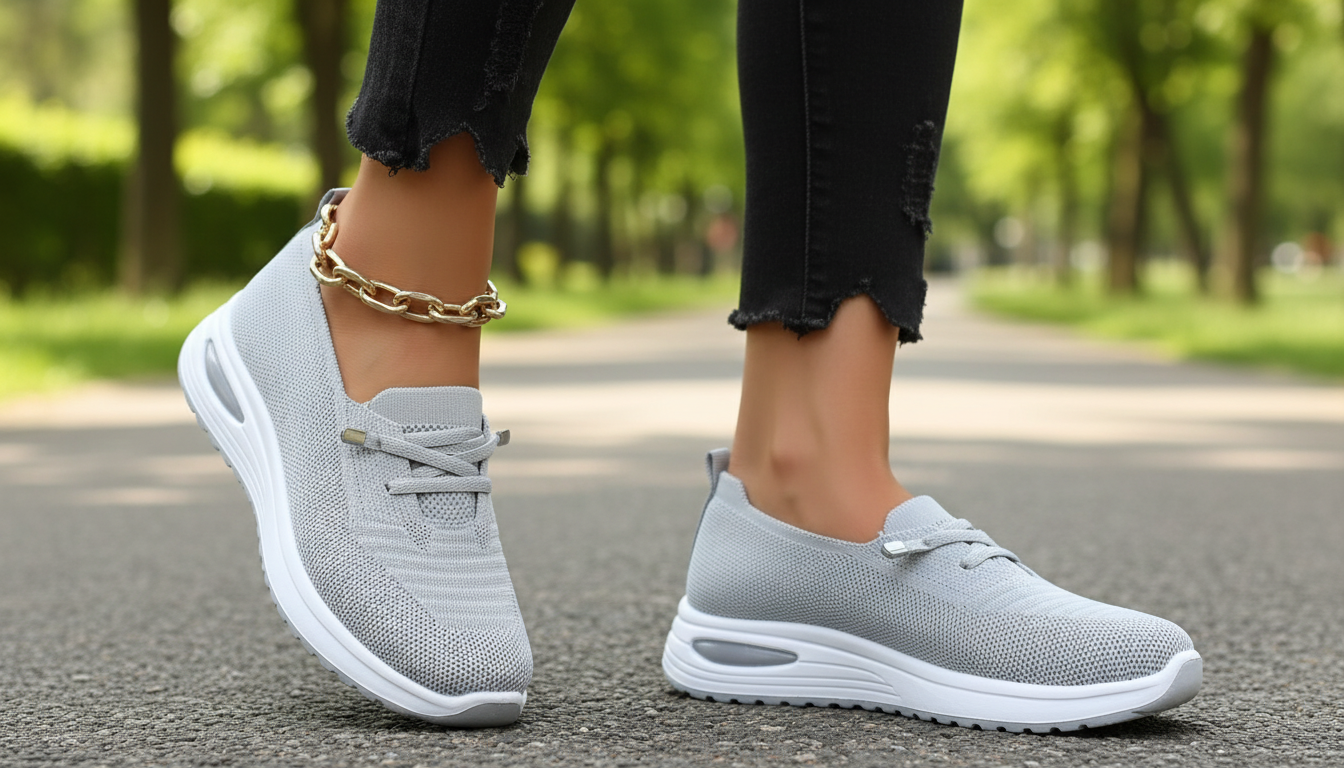
To reduce travel-day friction, it helps to keep “wear-and-go” items consistent. For example, comfortable, broken-in shoes can prevent a small discomfort from taking over the itinerary; if you’re upgrading a city-walking staple, consider Saint Laurent Black Low-Top Sneakers.
Trip Planning Timeline (Use as a Quick Reference)
Use this timeline to prevent the most common last-minute stress points: missed reservations, forgotten documents, and rushed packing. Adjust the schedule for shorter trips by combining steps and prioritizing essentials. Pair the timeline with a printable checklist so you always know what’s done and what still needs attention.
| When | Focus | Examples of tasks |
|---|---|---|
| 4–8 weeks out | Core bookings | Lock in flights/lodging; confirm passport/ID validity; outline must-do activities; set a realistic daily pace |
| 2–4 weeks out | Itinerary + reservations | Reserve timed-entry tickets; identify transit options; shortlist restaurants; note closures/holiday hours |
| 1 week out | Prep + packing plan | Create packing list by activity/weather; confirm all bookings; download offline maps; set up an emergency contact card |
| 48 hours out | Final checks | Check weather; adjust outfits; verify check-in windows; organize documents; charge power banks |
| Day of travel | Execution | Leave buffer time; keep essentials accessible; store confirmations; share itinerary with a trusted contact |
The Stress-Free Vacation Checklist: What to Track
- Documents: ID/passport, visas (if needed), insurance details, confirmations, emergency contacts
- Money: cards, cash plan, travel notifications, budgeting reminders, tipping notes
- Health: prescriptions, basic first-aid items, motion sickness support, accessibility needs
- Packing: capsule outfits, laundry plan, swim/active gear, weather layers, adapters/chargers
- Home prep: mail holds, pet care, trash day, smart-home settings, out-of-office message
- Arrival plan: transfer options, check-in details, key pickup instructions, late arrival contingencies
For official reminders that complement your checklist—especially around what to bring to the airport—review the TSA Travel Checklist. For international requirements and advisories, the U.S. Department of State – International Travel is a reliable starting point, and health guidance by destination is available at CDC Travelers’ Health.
Using AI Prompts Without Overcomplicating the Plan
What Makes a Vacation Plan Feel Calm (Not Just Full)
If you’re traveling with kids, calm often comes from having one “quiet pocket” each day (park time, hotel pool, or a low-stimulation museum hour). For little travelers, a compact hands-on activity can also buy you breathing room during transit or restaurant waits—consider packing something like the Montessori 3D Shape Matching Puzzle.
Practical Details: Downloading, Printing, and Using It Anywhere
FAQ
What do I need to use Smart Vacay with AI tools?
Any common AI chat tool works. You’ll enter your preferences and constraints, then use the eBook’s structure to turn the results into a clean schedule, logistics notes, and a packing/checklist system.
Is the checklist reusable for multiple trips?
Yes—it’s designed to be reused. Keep a master copy, then print a fresh version for each trip or duplicate it digitally so you can adjust it for the season, destination, and activities.
Can this help with family or group travel planning?
Yes. You can adapt AI-generated plans for different ages, energy levels, and accessibility needs, then use the checklist to assign responsibilities, track confirmations, and keep everyone aligned on the day-by-day plan.
Recommended for you


Was this article helpful?
Yes
No








Leave a comment