-
Shop
- Advanced Technologies
- AI Skills
- Apple Accessories
- Arts, Crafts & Hobbies
- Bathroom
- Beauty
- Best-Sellers
- Car Accessories
- Car Buying & Ownership
- Confidence
- Dating & Social Skills
- Digital Resources
- Education & Learning
- Family & Parenting
- Fashion
- Alexander McQueen
- Bags & Wallets
- Balenciaga
- Belts
- Blazers
- Bottega Veneta
- Bottoms
- Brunello Cucinelli
- Burberry
- Chanel
- Chloé
- Dior
- Dolce & Gabbana
- Dresses
- Etro
- Fendi
- Gucci
- Hats & Hair Accessories
- Hoodies & Sweatshirts
- Jacquemus
- Jewelry
- Jil Sander
- Jimmy Choo
- Kiton
- Luggage
- Men's Fashion
- Miu Miu
- Off-White
- Outerwear
- Prada
- Rick Owens
- Saint Laurent
- Scarves
- Shoe Accessories
- Shoes
- Skirts
- Socks & Tights
- Sunglasses
- Sweaters & Cardigans
- The Row
- Tom Ford
- Tops & Shirts
- Valentino
- Valentino Garavani
- Versace
- Vivienne Westwood
- Watches
- Fashion Accessories
- Furniture
- Gadgets
- Gift Ideas
- Gifts
- Health & Beauty
- Health & Wellness
- Home & Garden
- Home & Kitchen
- Home Electronics
- Home Styling & Organization
- Home Supplies
- Kids & Babies
- Kids & Babies
- Kitchen
- Lighting
- Nike
- Parenting & Child Development
- Patio, Lawn & Garden
- Personal Growth
- Personal Style & Fashion
- Pet Care
- Pet Lifestyle & Wellness
- Pet Supplies
- Pets
- Sport & Outdoors
- Super Deals
- Travel
- Travel & Adventure
- Wealth
- Wellness
- Popular
- Best deals
Ultralight 750ml Heat Exchanger Pot for Faster Trail Boils
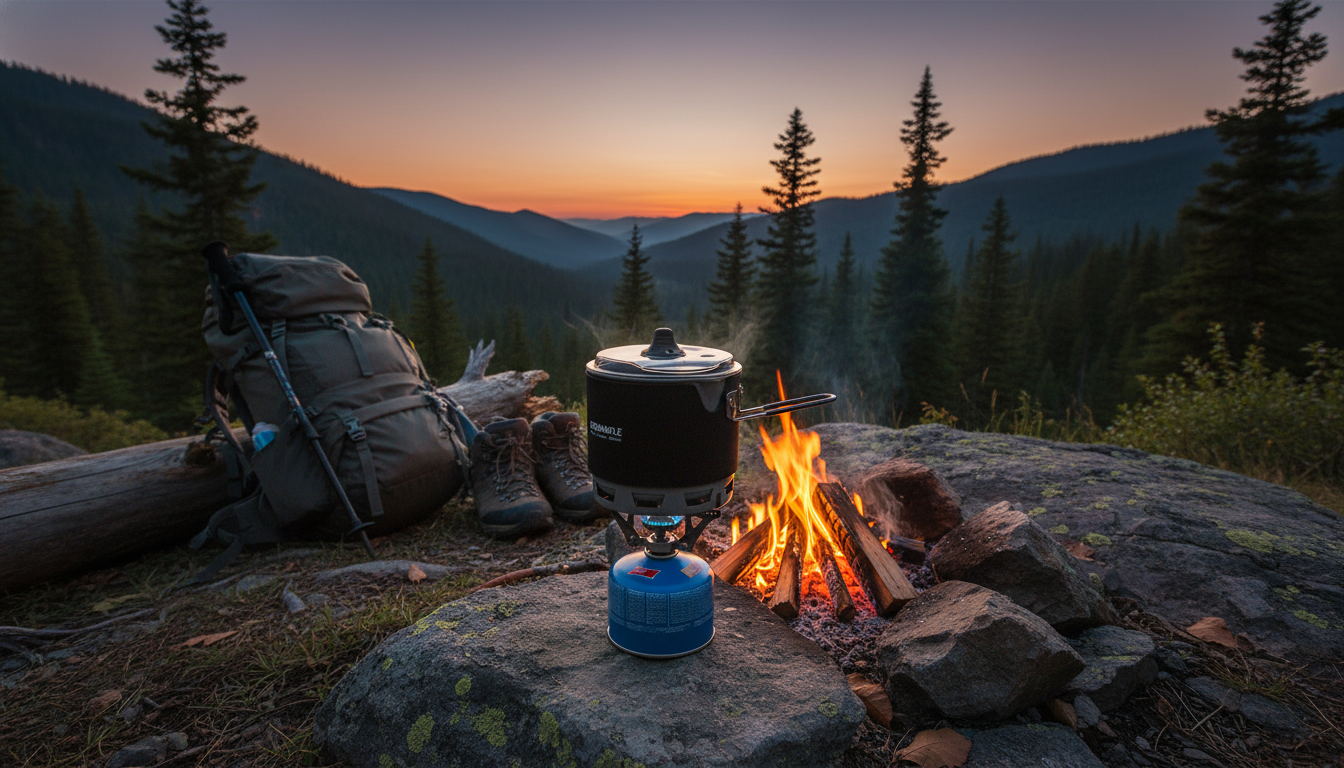
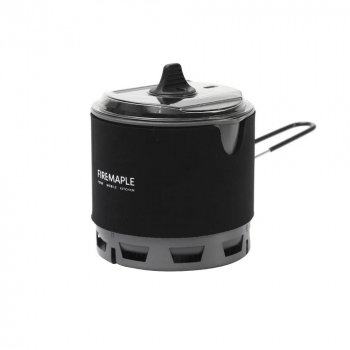
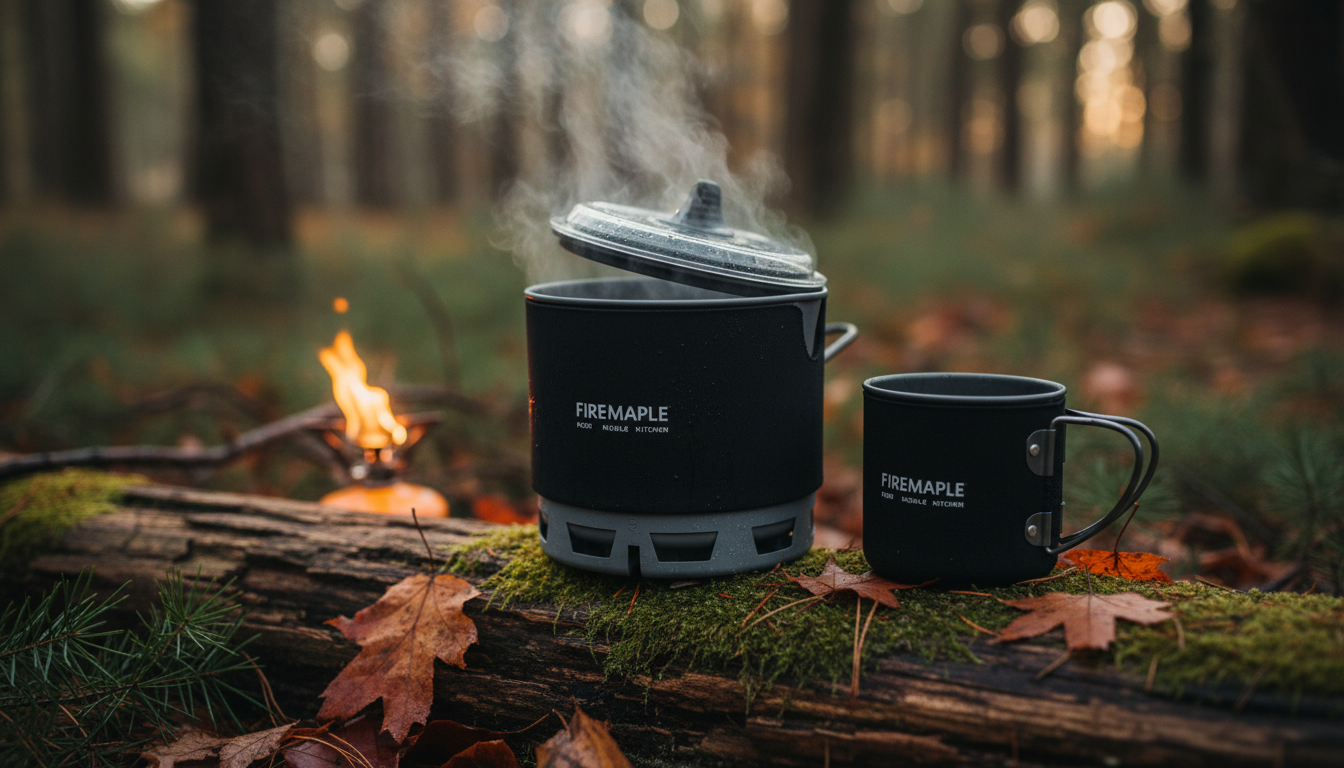
Ultralight 750ml Camping Pot with Heat Exchanger for Hiking & Outdoor Cooking
An ultralight pot with a built-in heat exchanger is made for faster boils, better fuel efficiency, and simpler backcountry meals. The 750ml size hits a practical sweet spot for solo hikers and minimalist cook kits—big enough for dehydrated meals and a hot drink, yet compact enough to disappear in a pack. If most of your trail cooking starts with “boil water,” a heat exchanger pot is one of the easiest upgrades for speed and consistency. For more guidance, see Our Ultralight Backpacking Set Up: Gear List + Reviews.
What a Heat Exchanger Pot Does Differently
A heat exchanger pot uses a finned ring at the base to capture more heat from your stove and push it into the pot instead of letting it drift away in wind and open air. That simple design change can make a noticeable difference on exposed ridgelines, cold mornings, and any time you’re trying to stretch a fuel canister. For further reading, see [PDF] EVEREST 50: – The Mountaineers.
- Uses a finned ring at the base to capture and transfer more stove heat into the pot instead of losing it to wind and open air.
- Can reduce boil time and fuel use compared with a similar non-exchanger pot, especially in breezy conditions.
- Often pairs best with canister stoves and stable pot supports; check fit if using very narrow burners.
- Works well for water-forward cooking: coffee, tea, freeze-dried meals, instant oats, ramen, and simple simmered foods.
For general stove guidance and safe setup practices, see REI’s backpacking stove advice and efficiency notes from MSR’s stove systems resources.
Why 750ml Is a Versatile Size for Solo and Fast-and-Light Trips
For one person, 750ml is roomy without being wasteful. It comfortably covers most single-serving boil volumes (roughly 400–600ml) while leaving headroom to reduce boil-overs and make stirring less stressful. It’s also a convenient “nesting” size—often large enough to stash a small stove and lighter inside, depending on your exact setup.
- Handles common single-serving boil volumes (about 400–600ml) with extra headroom to reduce spillover.
- Comfortable for one-person meals plus a hot drink without needing a second pot.
- Pack-friendly for nesting: many hikers store a small stove, lighter, and folding utensil inside a 750ml pot (fit varies by stove).
- Balances capacity and weight better than larger pots when the goal is quick hot meals rather than group cooking.
Quick Capacity Guide
| Pot size | Best for | Typical boil volume | Trade-offs |
|---|---|---|---|
| 550–650ml | Minimalist solo drinks/meal bags | 350–500ml | Tight fit for thicker meals; less headroom |
| 750ml | Most solo hiking meals + drink | 400–650ml | Not ideal for cooking for two |
| 900–1100ml | Two-person simple meals | 600–900ml | More bulk and weight |
Key Features to Look For in an Ultralight Heat-Exchanger Pot
Heat exchanger fins are only part of the story. The everyday experience—pouring, packing, and handling the pot when it’s hot—comes down to a few practical details that are easy to overlook until you’re on trail.
- Material and coating: prioritize durable, food-safe metal and a finish that matches how often it will be scrubbed in the field.
- Lid design: a well-fitting lid improves boil efficiency; a pour-friendly edge helps with drinks and dehydrated meals.
- Handle comfort and stability: folding handles should lock securely and stay cool enough to use with minimal gloves.
- Volume markings: internal measurements make it easier to portion meals and avoid wasting fuel.
- Packability: consider whether the pot nests with the stove, fuel canister, or mug already in the kit.
If you’re dialing in a compact cook system, the Ultralight 750ml Camping Pot with Heat Exchanger for Hiking & Outdoor Cooking is built around that efficient, water-first style of backcountry cooking.
Using a Heat Exchanger Pot Efficiently (Without Burning Dinner)
Heat exchanger pots shine at boiling water quickly, but efficiency still depends on setup. A few small habits can keep your meals cleaner, your fuel usage lower, and your cook routine smoother.
Care, Cleaning, and Long-Term Durability
Who This Pot Suits Best
For a more complete camp setup when weight isn’t the only factor, pairing a compact cook kit with reliable shelter can make shoulder-season trips more comfortable. The Waterproof Sunshade Canopy Tent for Camping and Glamping is an option for base-camp style weekends, shade-first car camping, and longer stays where space matters.
FAQ
Will a heat exchanger pot work with any backpacking stove?
It works best with canister stoves and stable pot supports, and it’s smart to confirm your stove’s support arms match the pot’s diameter. Avoid setups where flames wrap far up the sides, and use windscreens only in ways that won’t overheat the fuel canister area.
Is 750ml enough for one person on a multi-day hike?
Usually yes for boil-only or simple cooking, since most freeze-dried meals and hot drinks fit comfortably in this range. For two people, frequent snow melting, or larger one-pot meals, a bigger pot can feel less cramped.
Do heat exchanger pots save fuel in real conditions?
Often yes—especially in wind or cooler air—because the exchanger captures more heat that would otherwise be lost. Actual savings depend on stove type, flame control, lid use, and wind management.
Recommended for you
Was this article helpful?
Yes
No







Leave a comment