-
Shop
- Advanced Technologies
- AI Skills
- Apple Accessories
- Arts, Crafts & Hobbies
- Bathroom
- Beauty
- Best-Sellers
- Car Accessories
- Car Buying & Ownership
- Confidence
- Dating & Social Skills
- Digital Resources
- Education & Learning
- Family & Parenting
- Fashion
- Alexander McQueen
- Bags & Wallets
- Balenciaga
- Belts
- Blazers
- Bottega Veneta
- Bottoms
- Brunello Cucinelli
- Burberry
- Chanel
- Chloé
- Dior
- Dolce & Gabbana
- Dresses
- Etro
- Fendi
- Gucci
- Hats & Hair Accessories
- Hoodies & Sweatshirts
- Jacquemus
- Jewelry
- Jil Sander
- Jimmy Choo
- Kiton
- Luggage
- Men's Fashion
- Miu Miu
- Off-White
- Outerwear
- Prada
- Rick Owens
- Saint Laurent
- Scarves
- Shoe Accessories
- Shoes
- Skirts
- Socks & Tights
- Sunglasses
- Sweaters & Cardigans
- The Row
- Tom Ford
- Tops & Shirts
- Valentino
- Valentino Garavani
- Versace
- Vivienne Westwood
- Watches
- Fashion Accessories
- Furniture
- Gadgets
- Gift Ideas
- Gifts
- Health & Beauty
- Health & Wellness
- Home & Garden
- Home & Kitchen
- Home Electronics
- Home Styling & Organization
- Home Supplies
- Kids & Babies
- Kids & Babies
- Kitchen
- Lighting
- Nike
- Parenting & Child Development
- Patio, Lawn & Garden
- Personal Growth
- Personal Style & Fashion
- Pet Care
- Pet Lifestyle & Wellness
- Pet Supplies
- Pets
- Sport & Outdoors
- Super Deals
- Travel
- Travel & Adventure
- Wealth
- Wellness
- Popular
- Best deals
Is Inhaling Essential Oils Safe for Your Lungs?
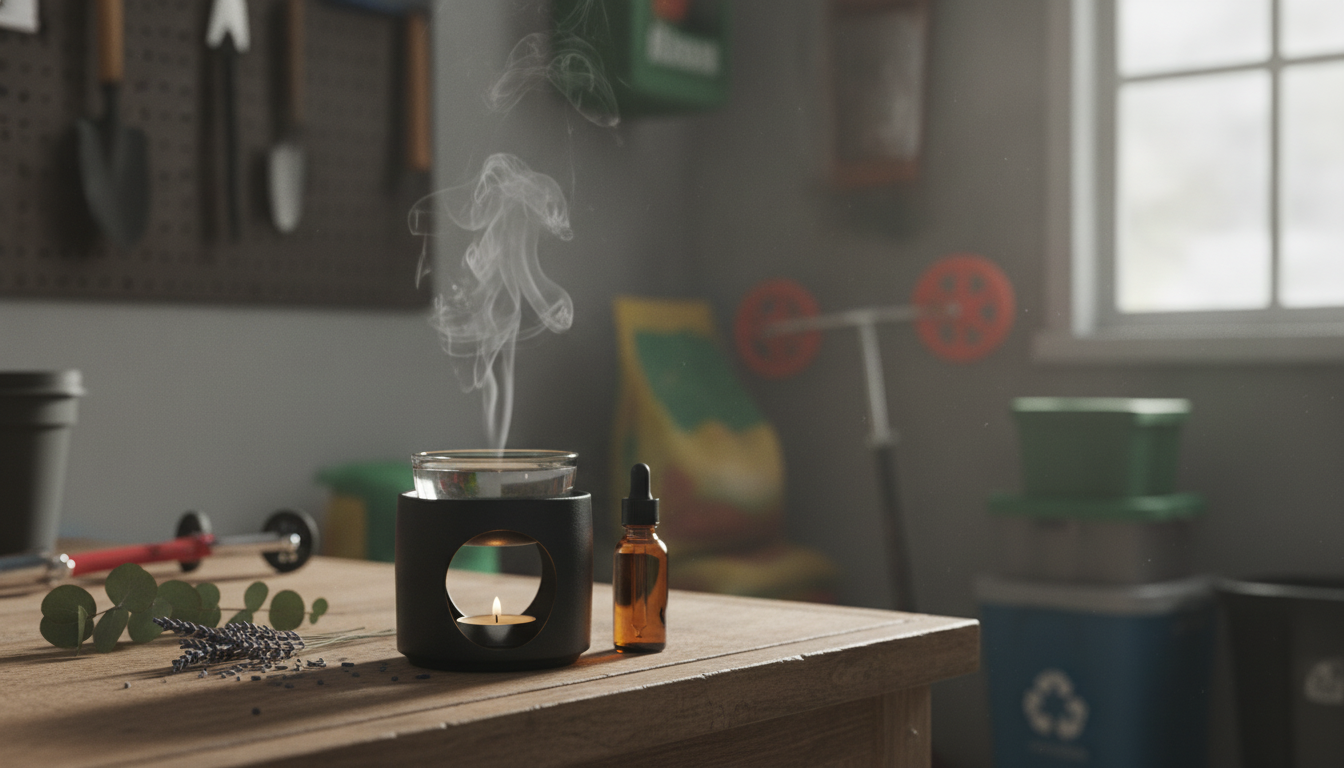
Is inhaling essential oils good for your lungs?
Inhaling essential oils isn’t automatically “good” for your lungs. While many people find certain aromas soothing, essential oils are concentrated plant compounds that can irritate airways—especially when used in high amounts, in poorly ventilated rooms, or by people with asthma, COPD, allergies, or sensitive lungs. The biggest factor is how the oil is dispersed: breathing in heavy vapor or smoke is more likely to cause coughing or throat and chest irritation than gentle scenting in open air.
If the goal is respiratory comfort, it helps to separate “pleasant aroma” from “lung health.” Essential oils may make a space smell clean or relaxing, but that doesn’t mean they improve lung function. For some people, inhalation can trigger headaches, wheezing, or a tight chest. Children and pets can also be more sensitive to airborne fragrance compounds.
Safer ways to enjoy aroma
If you enjoy essential oils, use them in a way that minimizes direct inhalation of concentrated fumes and avoids any kind of burning or overheating. A small amount goes a long way, and fresh air matters. If you notice coughing, throat scratchiness, watery eyes, or shortness of breath, stop using the oil and ventilate the area.
For a gentle, low-intensity approach, many shoppers prefer controlled, candle-warmed diffusion that emphasizes light scenting rather than forceful mist. For tips on using a candlelit porcelain aroma burner thoughtfully, see this guide to a porcelain aroma burner with candlelit essential oils.
When to be extra cautious
Skip inhalation or consult a clinician first if you have asthma, chronic lung disease, frequent bronchitis, or are recovering from a respiratory infection. Avoid essential oil exposure around infants, and keep oils away from pets that may be sensitive to airborne compounds. Never ingest essential oils unless specifically directed by a qualified professional, and don’t apply undiluted oils near the nose or lips.
FAQ
Can essential oils trigger asthma or allergies?
Yes. Some people experience wheezing, coughing, or allergy-like symptoms from airborne fragrance compounds. If symptoms appear, discontinue use and ventilate the room.
Recommended for you
Was this article helpful?
Yes
No








Leave a comment