-
Shop
- Advanced Technologies
- AI Skills
- Apple Accessories
- Arts, Crafts & Hobbies
- Bathroom
- Beauty
- Best-Sellers
- Car Accessories
- Car Buying & Ownership
- Confidence
- Dating & Social Skills
- Digital Resources
- Education & Learning
- Family & Parenting
- Fashion
- Alexander McQueen
- Bags & Wallets
- Balenciaga
- Belts
- Blazers
- Bottega Veneta
- Bottoms
- Brunello Cucinelli
- Burberry
- Chanel
- Chloé
- Dior
- Dolce & Gabbana
- Dresses
- Etro
- Fendi
- Gucci
- Hats & Hair Accessories
- Hoodies & Sweatshirts
- Jacquemus
- Jewelry
- Jil Sander
- Jimmy Choo
- Kiton
- Luggage
- Men's Fashion
- Miu Miu
- Off-White
- Outerwear
- Prada
- Rick Owens
- Saint Laurent
- Scarves
- Shoe Accessories
- Shoes
- Skirts
- Socks & Tights
- Sunglasses
- Sweaters & Cardigans
- The Row
- Tom Ford
- Tops & Shirts
- Valentino
- Valentino Garavani
- Versace
- Vivienne Westwood
- Watches
- Fashion Accessories
- Furniture
- Gadgets
- Gift Ideas
- Gifts
- Health & Beauty
- Health & Wellness
- Home & Garden
- Home & Kitchen
- Home Electronics
- Home Styling & Organization
- Home Supplies
- Kids & Babies
- Kids & Babies
- Kitchen
- Lighting
- Nike
- Parenting & Child Development
- Patio, Lawn & Garden
- Personal Growth
- Personal Style & Fashion
- Pet Care
- Pet Lifestyle & Wellness
- Pet Supplies
- Pets
- Sport & Outdoors
- Super Deals
- Travel
- Travel & Adventure
- Wealth
- Wellness
- Popular
- Best deals
2-Speed Electric Meat Grinder for Baby Food: Smooth Purees
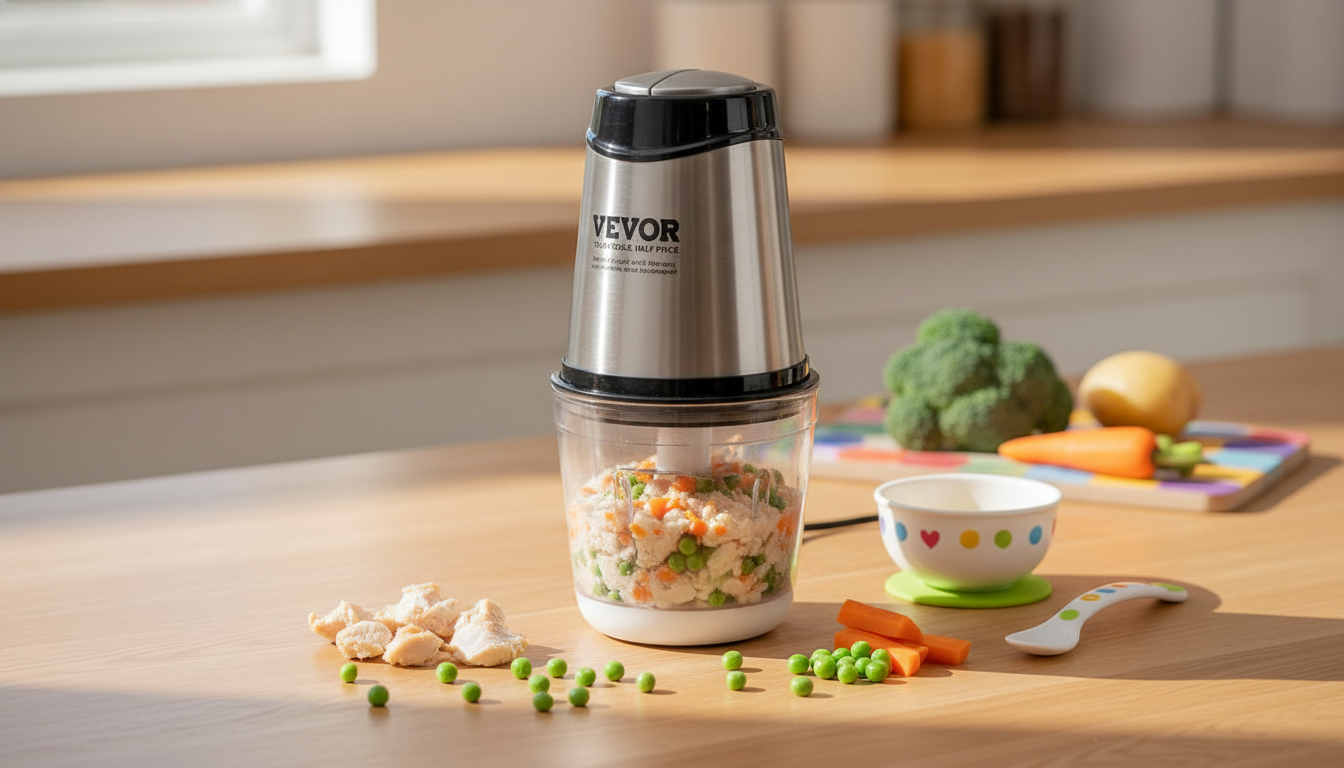
Electric Meat Grinder with Stainless Steel Blades & 2 Speeds for Baby Food: Practical Guide
Making smooth, fresh purees at home is easier with a compact electric grinder that can handle small batches quickly. Stainless steel blades help create more uniform texture, and two speed settings make it simpler to move from a controlled start to a finer finish. Below is a practical, baby-food-focused guide to getting spoon-friendly results, keeping food-contact parts clean, and choosing textures that fit your baby’s stage and readiness.
Why stainless steel blades matter for baby food texture
When baby food needs to be smooth and consistent, blade quality becomes more than a convenience—it directly affects the final mouthfeel.
- More consistent results: Stainless steel blades are designed to stay sharp longer, which helps produce a steadier mince or puree with fewer stringy bits (especially noticeable with cooked meats and fibrous vegetables).
- Less time in the bowl: A sharper edge can reduce processing time. Shorter runs help limit warming delicate foods that can happen during extended blending.
- Easier to wash thoroughly: Non-porous metal surfaces are generally simpler to clean than rough or absorbent materials, supporting a cleaner prep routine.
- Odor control depends on care: Even with stainless steel, thorough cleaning and complete drying after use helps limit odor transfer between foods.
Understanding 2-speed control: when to use low vs high
Two speeds give you a practical way to manage texture. A gentle start reduces splashing and helps ingredients circulate, while higher speed can refine the puree.
- Low speed: Useful for softer foods and for starting a batch so ingredients don’t climb the sides or form an unmoving “ring” around the bowl.
- High speed: Better for breaking down firmer cooked meats and fibrous vegetables into a finer, spoon-friendly texture.
- Pulse for control: Short pulses can improve consistency and reduce overprocessing, which may make some purees turn gummy (often seen with very starchy foods).
- If the mixture stalls: Pause, scrape down the sides, add a small amount of appropriate liquid, then continue.
| Task | Recommended speed | Tip for smoother results |
|---|---|---|
| Cooked chicken/turkey mince to puree | Start low, finish high | Add warm broth, breast milk, or formula a teaspoon at a time; strain if needed |
| Cooked beef/lamb (lean) to fine mince | High (after a low-speed start) | Cut into small pieces; puree longer and add cooking liquid to avoid graininess |
| Steamed carrots/sweet potato | Low or high depending on softness | Mash first; add water or cooking liquid for thinner puree |
| Soft fruits (banana/ripe pear) | Low | Use brief pulses to avoid turning watery; mix with yogurt/porridge if thinning occurs |
| Small-batch nut/seed grinding (where age-appropriate) | High in short bursts | Keep amounts small; stop often to prevent clumping and heat |
Safe, smooth baby-food results: prep workflow
A consistent workflow helps you get predictable texture while keeping food handling safer and simpler.
- Cook until very tender: Meats should be fully cooked; vegetables should be easily pierced. Extra tenderness reduces motor strain and helps you reach a smoother puree faster.
- Cut into small, even pieces: Uniform pieces process more evenly and reduce the chance of hidden chunks.
- Process in short intervals: Run the grinder briefly, then stop to scrape down the sides. This keeps the whole batch moving through the blades instead of only what’s at the bottom.
- Thin gradually: Add suitable liquids (water, cooking liquid, broth, breast milk, or formula as appropriate) in small amounts until you reach the stage consistency you want.
- Cool and store promptly: Cool foods to a safe handling temperature before blending when needed, and refrigerate or freeze soon after preparation. For storage-time guidance, the USDA FoodKeeper resource is a helpful reference.
For broader feeding guidance and age-appropriate foods, review trusted public-health recommendations such as the CDC infant and toddler nutrition guidance.
Cleaning and care for stainless blades and food-contact parts
Baby food prep often includes proteins and starches that cling to seams and hubs, so cleaning habits matter as much as the appliance itself.
Choosing batch size and texture by age stage
Product spotlight: Electric Meat Grinder with Stainless Steel Blades & 2 Speeds for Baby Food
If you’re preparing frequent, small meals, a dedicated compact grinder can be a practical alternative to pulling out a full-size food processor. The Electric Meat Grinder with Stainless Steel Blades & 2 Speeds for Baby Food is designed to support both gentle starts and faster breakdown for finer textures.
| Item | Detail |
|---|---|
| Product | Electric Meat Grinder with Stainless Steel Blades & 2 Speeds for Baby Food |
| Price | 39.51 USD |
| Availability | In stock |
| Product page | View product |
More in-stock picks
- Waterproof Sunshade Canopy Tent for Camping and Glamping
- A Guide to Understanding Scent Notes – Beginner-Friendly Fragrance Ebook
- Enjoyable Summer Destinations Without the Heat | Travel eBook
FAQ
Which speed is better for making very smooth baby puree?
Start on low speed to combine ingredients and keep the batch moving evenly, then switch to high speed to refine the texture. Add liquid gradually and pause to scrape down the sides between short runs.
Can cooked meat be pureed in an electric meat grinder for baby food?
Yes. Use fully cooked, tender meat cut into small pieces, start on low, finish on high, and thin with warm cooking liquid or broth to help reduce graininess.
How can overheating be avoided when grinding small batches?
Process in short pulses, pause to scrape down the bowl, and avoid running the grinder continuously. Keeping portions small and adding a bit of liquid when the mixture slows can also help.
Recommended for you



Was this article helpful?
Yes
No









Leave a comment