-
Shop
- Advanced Technologies
- AI Skills
- Apple Accessories
- Arts, Crafts & Hobbies
- Bathroom
- Beauty
- Best-Sellers
- Car Accessories
- Car Buying & Ownership
- Confidence
- Dating & Social Skills
- Digital Resources
- Education & Learning
- Family & Parenting
- Fashion
- Alexander McQueen
- Bags & Wallets
- Balenciaga
- Belts
- Blazers
- Bottega Veneta
- Bottoms
- Brunello Cucinelli
- Burberry
- Chanel
- Chloé
- Dior
- Dolce & Gabbana
- Dresses
- Etro
- Fendi
- Gucci
- Hats & Hair Accessories
- Hoodies & Sweatshirts
- Jacquemus
- Jewelry
- Jil Sander
- Jimmy Choo
- Kiton
- Luggage
- Men's Fashion
- Miu Miu
- Off-White
- Outerwear
- Prada
- Rick Owens
- Saint Laurent
- Scarves
- Shoe Accessories
- Shoes
- Skirts
- Socks & Tights
- Sunglasses
- Sweaters & Cardigans
- The Row
- Tom Ford
- Tops & Shirts
- Valentino
- Valentino Garavani
- Versace
- Vivienne Westwood
- Watches
- Fashion Accessories
- Furniture
- Gadgets
- Gift Ideas
- Gifts
- Health & Beauty
- Health & Wellness
- Home & Garden
- Home & Kitchen
- Home Electronics
- Home Styling & Organization
- Home Supplies
- Kids & Babies
- Kids & Babies
- Kitchen
- Lighting
- Nike
- Parenting & Child Development
- Patio, Lawn & Garden
- Personal Growth
- Personal Style & Fashion
- Pet Care
- Pet Lifestyle & Wellness
- Pet Supplies
- Pets
- Sport & Outdoors
- Super Deals
- Travel
- Travel & Adventure
- Wealth
- Wellness
- Popular
- Best deals
AI Emotional Tracking eBook: Triggers, Body Cues & Patterns

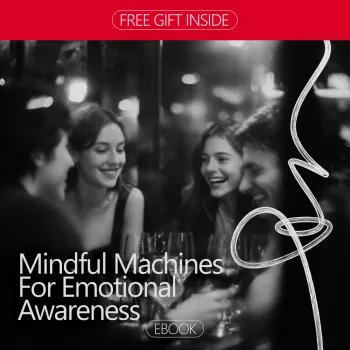
Mindful Machines for Emotional Awareness: Tracking Triggers, Responses, and Patterns With AI
Emotional awareness gets easier when experiences are captured consistently and reviewed with clarity. This digital eBook focuses on AI-assisted emotional tracking to help identify what sets feelings in motion, how the body and mind respond, and which patterns repeat over time—so daily choices can be guided by insight rather than guesswork.
If “Why did I react like that?” is a familiar question, a lightweight tracking practice can turn scattered moments into usable data. The goal isn’t to judge feelings or force positivity—it’s to notice what’s happening with enough precision that the next step becomes simpler.
What Emotional Tracking Really Measures
Emotional tracking works best when it separates what happened from what it meant and what you did next. The APA describes an emotion as a complex reaction pattern involving experiential, behavioral, and physiological elements; that mix is exactly why tracking the body and behavior matters alongside the label you choose (APA Dictionary: Emotion).
- Emotions as signals: distinguish the feeling (emotion) from the story (interpretation) and the action (behavior).
- Triggers beyond events: internal triggers (fatigue, hunger, pain, intrusive thoughts) vs. external triggers (conflict, noise, deadlines).
- Responses as a sequence: body sensations → emotion label → impulse → behavior → after-effect.
- Patterns over time: recurring combinations (people/places/times) that predict spikes, shutdowns, or avoidance.
- Why consistency matters: small, frequent check-ins outperform rare deep reflections for pattern recognition.
A Simple Emotional Snapshot Template
| Moment | Trigger | Body Cues | Emotion Label | Response | What Helped |
|---|---|---|---|---|---|
| Before a meeting | Unclear expectations | Tight chest, shallow breathing | Anxiety | Over-preparing, checking messages | Clarified agenda, 2-minute breathing reset |
| After a text | Short reply from partner | Hot face, tense jaw | Irritation | Cold tone, withdrawal | Asked a neutral question, took a short walk |
| Late afternoon | Low energy | Heavy eyes, headache | Overwhelm | Procrastination, scrolling | Snack + water, 10-minute task timer |
How AI Helps You Notice Patterns You’d Otherwise Miss
Humans are excellent storytellers—and that can be a drawback when the mind tries to explain away patterns or fixates on the most intense moment of the week. AI-assisted reflection can support a more neutral review by organizing entries and highlighting repeats you might miss.
- Clustering similar moments: group entries by trigger type (social, work, sensory, self-talk) to reveal themes.
- Detecting hidden variables: notice correlations with time of day, sleep quality, caffeine, cycle, workload, or social exposure.
- Language cues: spot repeated phrases that signal rumination, self-criticism, or catastrophizing.
- Escalation pathways: identify early warning signs that reliably lead to shutdown, anger, or anxious spirals.
- Reflection prompts that reduce bias: answer structured questions that encourage neutral descriptions before interpretations.
Think of AI here as a sorting and pattern-spotting assistant. You still choose the meaning and the next action—AI simply makes the “signal” easier to see.
Using the eBook: A Practical Weekly Rhythm
The most sustainable approach is a small daily log paired with one intentional review. The eBook is designed to keep the daily piece short so the weekly scan has enough data to work with.
- Daily (2–5 minutes): log one meaningful moment using a consistent template (trigger, body cues, emotion, response, outcome).
- Micro-check-ins: add quick ratings (0–10) for stress, energy, and connection to support clearer comparisons.
- Midweek review (10 minutes): look for repeats—same trigger, same body cue, same coping attempt.
- Weekly pattern scan (20 minutes): choose one recurring pattern to gently test a different response next week.
- Monthly reset: update emotion vocabulary, refine categories, and track progress with a few simple metrics (frequency, intensity, recovery time).
For stress support and coping ideas that pair well with tracking, the CDC’s guidance can help expand your “What helped” column with practical options (CDC: Coping with Stress).
Understanding Triggers Without Getting Stuck in Them
Tracking triggers can feel intense at first—especially if it reveals how often the nervous system is running hot. The goal is precision plus compassion: naming what’s true without turning it into self-criticism.
If entries start to feel heavy, it may help to include a small “resource” note each day (a supportive person, a comforting routine, a boundary you kept). If additional support is needed, the NIMH offers grounded mental health resources and guidance on when to seek professional care (NIMH: Caring for Your Mental Health).
Turning Patterns Into Small, Sustainable Changes
Who This Approach Fits Best
Digital Download Details and What You’ll Get
For a guided, repeatable system, explore Mindful Machines for Emotional Awareness – AI Emotional Tracking eBook (digital download). It’s built around templates, prompts, and review routines that keep entries brief while making patterns easier to spot week over week.
If you enjoy learning through structured vocabulary and “notes,” another helpful digital read is A Guide to Understanding Scent Notes (beginner-friendly fragrance eBook)—a different topic, but similarly organized for easy pattern recognition and confident personal preferences.
FAQ
Is AI emotional tracking private and safe to use?
Privacy depends on the tool and how you write. Keep entries minimal, avoid sensitive identifiers, use offline notes if preferred, and choose settings that match your comfort level; the guide provides frameworks without requiring any specific platform.
How long does it take to notice meaningful emotional patterns?
Small insights can show up within a week of consistent entries, especially when you review midweek. Stronger trends typically emerge after 3–4 weeks when repeated triggers and response chains have enough examples to compare.
Do I need experience with journaling or mindfulness to use this guide?
No—structured prompts make it beginner-friendly. Start with short daily check-ins and simple labels, then expand your emotion vocabulary and coping experiments as the habit becomes easier.
Recommended for you


Was this article helpful?
Yes
No









Leave a comment