-
Shop
- Advanced Technologies
- AI Skills
- Apple Accessories
- Arts, Crafts & Hobbies
- Bathroom
- Beauty
- Best-Sellers
- Car Accessories
- Car Buying & Ownership
- Confidence
- Dating & Social Skills
- Digital Resources
- Education & Learning
- Family & Parenting
- Fashion
- Alexander McQueen
- Bags & Wallets
- Balenciaga
- Belts
- Blazers
- Bottega Veneta
- Bottoms
- Brunello Cucinelli
- Burberry
- Chanel
- Chloé
- Dior
- Dolce & Gabbana
- Dresses
- Etro
- Fendi
- Gucci
- Hats & Hair Accessories
- Hoodies & Sweatshirts
- Jacquemus
- Jewelry
- Jil Sander
- Jimmy Choo
- Kiton
- Luggage
- Men's Fashion
- Miu Miu
- Off-White
- Outerwear
- Prada
- Rick Owens
- Saint Laurent
- Scarves
- Shoe Accessories
- Shoes
- Skirts
- Socks & Tights
- Sunglasses
- Sweaters & Cardigans
- The Row
- Tom Ford
- Tops & Shirts
- Valentino
- Valentino Garavani
- Versace
- Vivienne Westwood
- Watches
- Fashion Accessories
- Furniture
- Gadgets
- Gift Ideas
- Gifts
- Health & Beauty
- Health & Wellness
- Home & Garden
- Home & Kitchen
- Home Electronics
- Home Styling & Organization
- Home Supplies
- Kids & Babies
- Kids & Babies
- Kitchen
- Lighting
- Nike
- Parenting & Child Development
- Patio, Lawn & Garden
- Personal Growth
- Personal Style & Fashion
- Pet Care
- Pet Lifestyle & Wellness
- Pet Supplies
- Pets
- Sport & Outdoors
- Super Deals
- Travel
- Travel & Adventure
- Wealth
- Wellness
- Popular
- Best deals
BPA-Free Silicone Turtle Teether for Soothing Gums
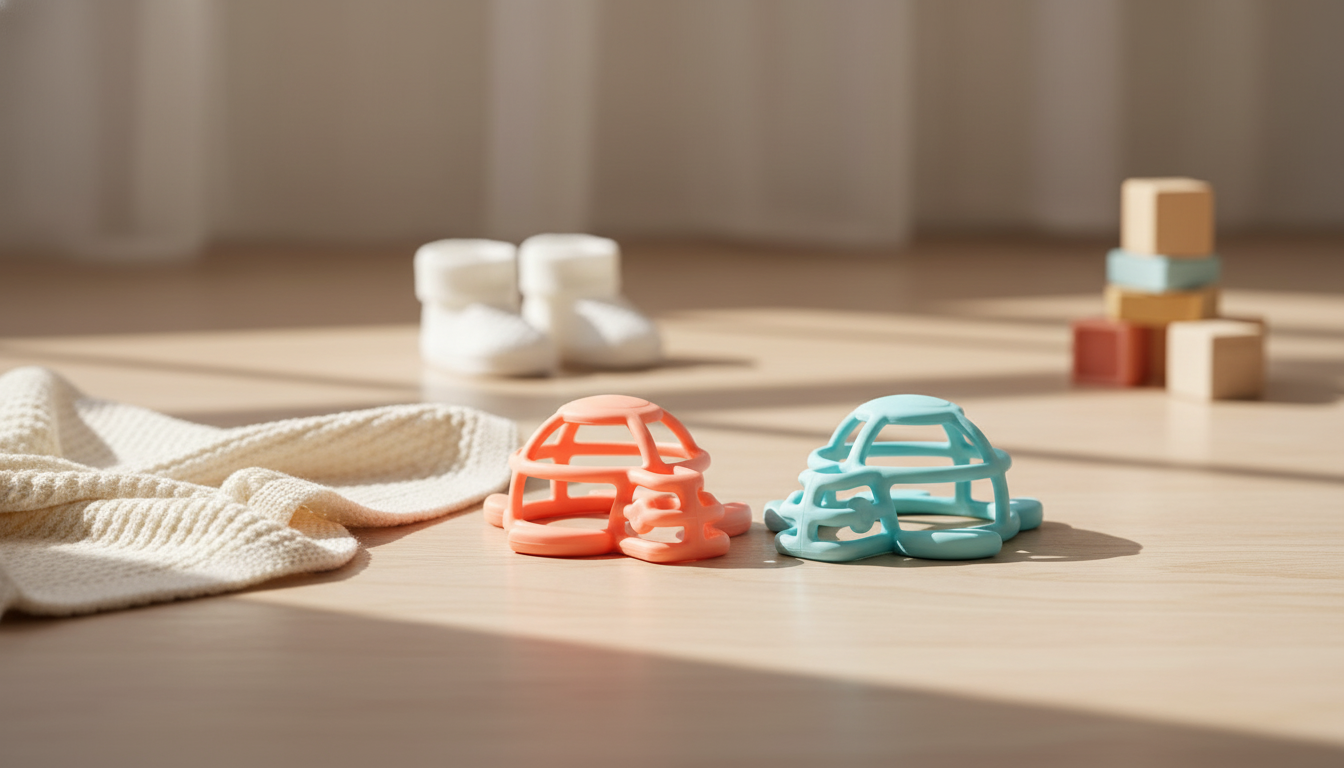
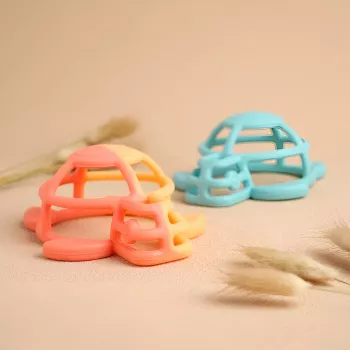
BPA-Free Silicone Turtle Baby Teether: A Soothing, Easy-to-Grab Teething Toy
Teething can bring sore gums, extra drool, and fussiness—especially when new teeth are pushing through. A soft silicone teether shaped like a friendly turtle can help by giving babies a safe surface to chew, an easy grip for small hands, and a playful sensory experience that encourages self-soothing.
What Makes a Turtle Teether Helpful During Teething
A teether works best when it matches what babies naturally want to do during teething: chew, mouth, and explore. A turtle design adds a gentle “toy” feel while still serving a practical purpose for sore gums.
- Provides a chewable surface that can help babies cope with gum discomfort.
- Turtle shape adds a familiar, playful element that keeps attention longer than plain shapes.
- Silicone texture can offer gentle resistance without feeling hard or sharp on tender gums.
- Lightweight design supports independent holding and chewing practice.
For many babies, the biggest win is simple: when they can grip the teether confidently, they can reposition it to reach the exact spot that feels most sensitive.
Materials and Safety Basics
When a baby is chewing for long stretches, materials and construction matter. Many caregivers prefer BPA-free options to help limit exposure to chemicals that are often avoided in baby products. The U.S. Food & Drug Administration provides background on BPA and its use in food-contact applications here: FDA — Bisphenol A (BPA). For additional context, the CDC’s BPA fact sheet is also a helpful reference: CDC — BPA Facts.
- BPA-free materials help reduce exposure to certain chemicals often avoided in baby items.
- Food-grade silicone is commonly chosen for teethers because it is durable, flexible, and easy to clean.
- A single-piece or securely constructed design lowers the risk of parts separating during chewing.
- Always supervise chewing and discontinue use if any tears, cracks, or loose pieces appear.
Quick Safety Checklist for Baby Teethers
| Check | What to look for | Why it matters |
|---|---|---|
| Material labeling | BPA-free and silicone noted on packaging/product page | Helps confirm what baby is mouthing |
| One-piece build | No detachable parts or glued-on add-ons | Reduces choking hazards |
| Size and shape | Large enough not to fit fully in the mouth; easy to grasp | Supports safer use and better grip |
| Surface condition | No cracks, sticky residue, or rough edges | Prevents fragments and irritation |
| Cleaning compatibility | Can be washed thoroughly as directed | Limits germs and odors over time |
Design Details That Matter for Little Hands
The “right” teether is often the one a baby can actually hold onto. During teething, hands can be slick with drool and coordination is still developing—so shape, thickness, and texture all make a difference.
- Easy-grip contours help babies hold the teether even with slippery, drooly hands.
- A mix of smooth and gently textured areas can give varied gum stimulation.
- A flatter profile can be easier for younger babies to manage than bulky shapes.
- Rounded edges help keep chewing comfortable along different gum lines.
If a baby drops a teether repeatedly, it can be a sign that the design is too heavy, too thick, or simply hard to “lock in” with a small grasp. A lightweight turtle shape can feel intuitive—something to grab by the “shell” and bring to the mouth without much effort.
How to Use a Silicone Teether Comfortably
Teethers are most helpful when they’re offered at the right moments and kept within easy reach. Many caregivers notice teething cues before a tooth is visible.
- Offer the teether when baby shows typical teething cues like chewing on fingers, increased drooling, or fussiness.
- Rotate positions (front gums vs. sides) by turning the teether so baby can reach sore spots.
- For a cooling effect, chill the teether in the refrigerator if the product directions allow; avoid freezing unless explicitly stated.
- Keep a spare clean teether on hand for diaper bag outings or middle-of-the-night swaps.
For age-based guidance on what teething can look like and what’s typical, this overview from the American Academy of Pediatrics is a useful reference: HealthyChildren.org (AAP) — Teething.
Cleaning and Care
Teethers spend a lot of time on the floor, in diaper bags, and in mouths—so cleaning routines matter as much as material choices.
Cleaning Options and When to Use Them
| Method | Best for | Notes |
|---|---|---|
| Warm soapy wash | Daily cleaning | Rinse well and air-dry completely |
| Dishwasher (top rack) | Busy routines, deeper cleaning | Only if allowed by the product’s care instructions |
| Boiling/sterilizing | Occasional sanitizing | Use only if the manufacturer states it’s safe for the item |
When a Teether Helps—and When to Ask a Pediatrician
BPA-Free Silicone Turtle Baby Teether: At-a-Glance
- Product name: BPA-Free Silicone Turtle Baby Teether
- Best for: babies who like to chew and need an easy-to-hold teether
- Material focus: BPA-free silicone
- Budget-friendly option for building a small teething kit (home + diaper bag)
Product Summary
| Detail | Info |
|---|---|
| Product | BPA-Free Silicone Turtle Baby Teether |
| Price | $5.51 USD |
| Availability | In stock |
| Product page | https://valorane.com/bpa-free-silicone-turtle-baby-teether/ |
More In-Stock Finds
- Waterproof Sunshade Canopy Tent for Camping and Glamping
- A Guide to Understanding Scent Notes – Beginner-Friendly Fragrance Ebook
FAQ
Can a silicone teether go in the refrigerator?
Yes, if the care instructions allow it. Chilling can add soothing relief, but avoid freezing unless the product explicitly says it’s freezer-safe, and always supervise use.
How often should a baby teether be cleaned?
Clean before first use and at least daily, plus after drops, outings, or contact with food. Rinse thoroughly and let it dry completely to help prevent residue and odors.
When should a silicone teether be replaced?
Replace it if you notice tears, cracks, rough edges, a tacky feel, or a persistent odor that doesn’t wash out. Any visible damage is a reason to stop using it right away.
Recommended for you


Was this article helpful?
Yes
No






Leave a comment