-
Shop
- Advanced Technologies
- AI Skills
- Apple Accessories
- Arts, Crafts & Hobbies
- Bathroom
- Beauty
- Best-Sellers
- Car Accessories
- Car Buying & Ownership
- Confidence
- Dating & Social Skills
- Digital Resources
- Education & Learning
- Family & Parenting
- Fashion
- Alexander McQueen
- Bags & Wallets
- Balenciaga
- Belts
- Blazers
- Bottega Veneta
- Bottoms
- Brunello Cucinelli
- Burberry
- Chanel
- Chloé
- Dior
- Dolce & Gabbana
- Dresses
- Etro
- Fendi
- Gucci
- Hats & Hair Accessories
- Hoodies & Sweatshirts
- Jacquemus
- Jewelry
- Jil Sander
- Jimmy Choo
- Kiton
- Luggage
- Men's Fashion
- Miu Miu
- Off-White
- Outerwear
- Prada
- Rick Owens
- Saint Laurent
- Scarves
- Shoe Accessories
- Shoes
- Skirts
- Socks & Tights
- Sunglasses
- Sweaters & Cardigans
- The Row
- Tom Ford
- Tops & Shirts
- Valentino
- Valentino Garavani
- Versace
- Vivienne Westwood
- Watches
- Fashion Accessories
- Furniture
- Gadgets
- Gift Ideas
- Gifts
- Health & Beauty
- Health & Wellness
- Home & Garden
- Home & Kitchen
- Home Electronics
- Home Styling & Organization
- Home Supplies
- Kids & Babies
- Kids & Babies
- Kitchen
- Lighting
- Nike
- Parenting & Child Development
- Patio, Lawn & Garden
- Personal Growth
- Personal Style & Fashion
- Pet Care
- Pet Lifestyle & Wellness
- Pet Supplies
- Pets
- Sport & Outdoors
- Super Deals
- Travel
- Travel & Adventure
- Wealth
- Wellness
- Popular
- Best deals
Cute Plush Dog Chew Toy Guide: Safe Soft Play Tips
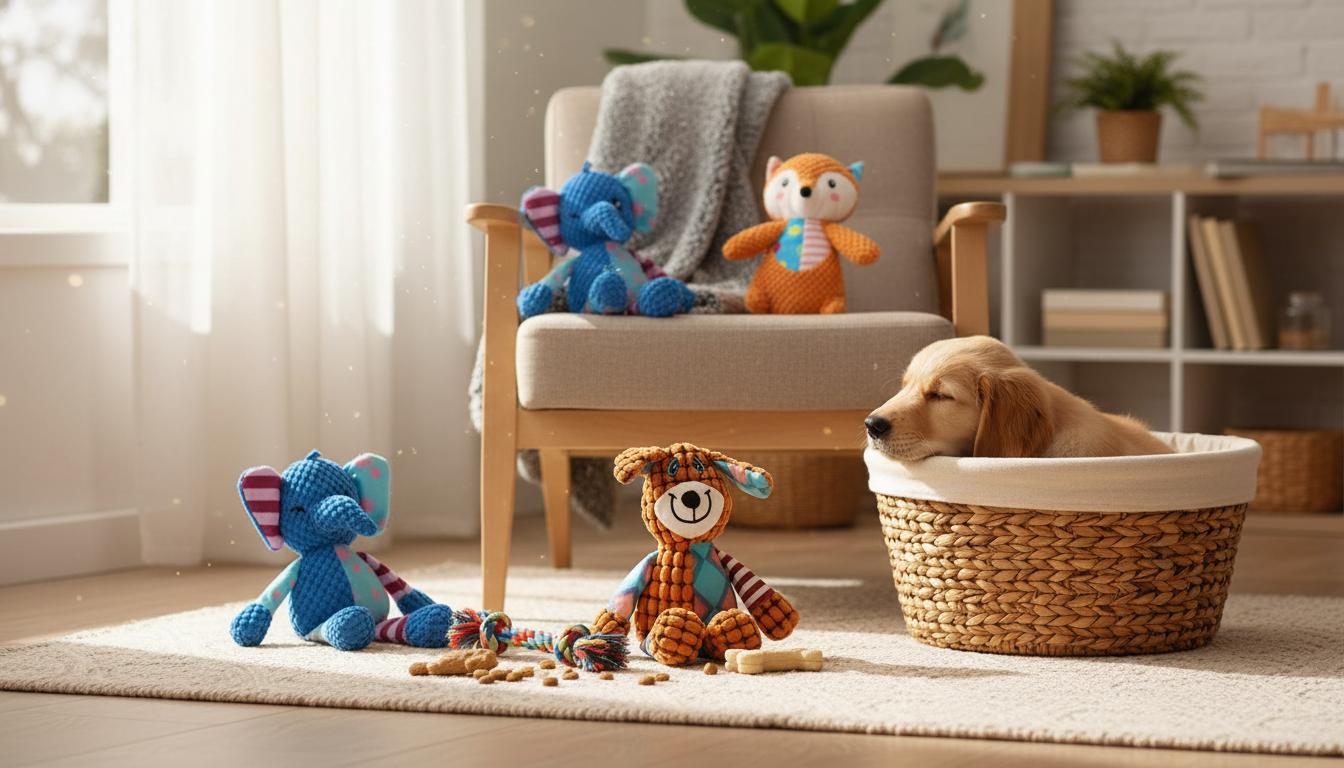
Cute Plush Dog Chew Toy: Soft Play, Satisfying Chews, Happier Dogs
A plush toy can do more than look adorable—it can keep a dog busy, redirect chewing away from shoes, and add comfort during quiet time. The right plush chew toy blends softness with just enough resistance for satisfying nibbling, plus the kind of texture many dogs love to carry around the house. Below are practical tips for choosing a plush chew toy that fits your dog’s play style, along with simple ways to use it safely day to day. For more guidance, see How to Pick the Best and Safest Dog Toys – Humane World for Animals.
What makes a plush chew toy a great everyday pick
Plush chew toys are often the “grab-and-go” option: easy for dogs to pick up, easy for people to toss, and generally friendly for indoor play. For further reading, see [PDF] Dog Toys and How to Use Them – Pendleton County.
- Comfort plus play in one. Many dogs like to carry, shake, or snuggle toys, and plush textures tend to encourage those natural behaviors.
- Gentler mouth feel than hard toys. Softer materials can be a better match for puppies and for dogs that prefer a cushy chew instead of a firm, heavy-duty bite.
- A “legal” chewing outlet. Having an appropriate chew option available can reduce boredom-driven nibbling on household items—especially when the toy is part of a simple rotation.
- Indoor-friendly. Plush toys are typically quieter on floors and furniture than harder options, which can be a big win for apartments or late-night play.
Who it’s best for (and when to pick something tougher)
Not every dog plays the same way. Matching the toy to your dog’s chewing style is the fastest path to safer, longer-lasting fun.
- Best match: light to moderate chewers, toy “carriers,” and dogs that seek out plush textures.
- Good for puppies (with supervision): puppies often explore with their mouths, and a softer chew can be a helpful introduction while you guide appropriate play.
- Not ideal as a standalone option for aggressive chewers: if your dog routinely shreds fabric or goes straight for seams and stuffing, consider tougher rubber-based toys as the primary chew choice.
- Use supervision when needed: some dogs “dissect” toys and can pull out stuffing quickly—those dogs should only use plush toys when someone can actively monitor.
For safety reminders on household and toy-related risks, review guidance like the ASPCA’s information on choking hazards, and general pet-care recommendations from the AVMA.
Quick comparison: plush chew toy vs. common alternatives
Different toy types shine in different situations. Use the chart below to match toy type to chewing intensity, play style, and your home environment. For many dogs, rotating types every few days helps keep interest high while reducing wear on any single toy.
| Toy type | Best for | Pros | Watch-outs |
|---|---|---|---|
| Plush chew toy | Light/moderate chewers, cuddly players, indoor play | Soft on the mouth, comforting, fun to carry and shake | May rip with strong chewers; supervise if prone to tearing |
| Rubber chew toy | Strong chewers, long solo chew sessions | More durable; can be used with some treat-stuffing designs | Harder texture; choose appropriate firmness and size |
| Rope toy | Tug games and supervised play | Good for interactive play; texture can be engaging | Fraying strands can be a risk if swallowed |
| Edible chew | Short-to-moderate chew sessions | Highly motivating; can support chewing needs | Calories and digestion considerations; always supervise |
Safety and longevity tips for plush chew toys
A plush chew toy can be a safe, practical choice when it’s sized correctly and kept in good condition. These small habits make a big difference:
Play ideas that keep dogs engaged (without over-hyping)
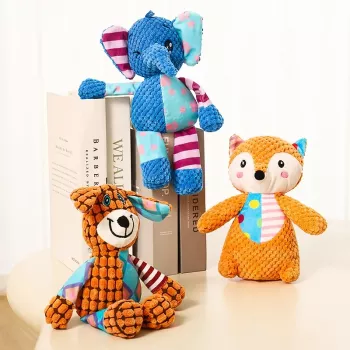
Product spotlight: Cute Plush Dog Chew Toy
If your dog loves soft textures and you want a simple, everyday toy for indoor play, the Cute Plush Dog Chew Toy is a cozy option to add to your rotation. It’s a budget-friendly pick for dogs that enjoy carrying plush toys around, gentle chewing, or winding down with something soft. For best results, use it during supervised play—especially for dogs that tend to tear fabric—and replace it if you notice holes, loose parts, or exposed stuffing.
More in-stock picks from our store
- Waterproof Sunshade Canopy Tent for Camping and Glamping (great for shaded outdoor hangouts and travel days).
- A Guide to Understanding Scent Notes – Beginner-Friendly Fragrance Ebook (a simple digital read for gifting or personal learning).
FAQ
Is a plush chew toy safe for puppies?
Generally yes for supervised play. Choose an appropriate size, watch for tearing, and remove the toy right away if seams open or any parts come loose.
How do you clean a plush dog chew toy?
Follow any care guidance provided with the toy; many plush toys can be gently washed and fully air-dried. Discard the toy if it becomes damaged, develops loose pieces, or can’t be cleaned thoroughly.
What should be done if a dog starts swallowing pieces of a plush toy?
Remove the toy immediately and monitor your dog for signs of distress. Contact a veterinarian if you suspect any pieces were swallowed or if symptoms appear.
Recommended for you

Was this article helpful?
Yes
No






Leave a comment