-
Shop
- Advanced Technologies
- AI Skills
- Apple Accessories
- Arts, Crafts & Hobbies
- Bathroom
- Beauty
- Best-Sellers
- Car Accessories
- Car Buying & Ownership
- Confidence
- Dating & Social Skills
- Digital Resources
- Education & Learning
- Family & Parenting
- Fashion
- Alexander McQueen
- Bags & Wallets
- Balenciaga
- Belts
- Blazers
- Bottega Veneta
- Bottoms
- Brunello Cucinelli
- Burberry
- Chanel
- Chloé
- Dior
- Dolce & Gabbana
- Dresses
- Etro
- Fendi
- Gucci
- Hats & Hair Accessories
- Hoodies & Sweatshirts
- Jacquemus
- Jewelry
- Jil Sander
- Jimmy Choo
- Kiton
- Luggage
- Men's Fashion
- Miu Miu
- Off-White
- Outerwear
- Prada
- Rick Owens
- Saint Laurent
- Scarves
- Shoe Accessories
- Shoes
- Skirts
- Socks & Tights
- Sunglasses
- Sweaters & Cardigans
- The Row
- Tom Ford
- Tops & Shirts
- Valentino
- Valentino Garavani
- Versace
- Vivienne Westwood
- Watches
- Fashion Accessories
- Furniture
- Gadgets
- Gift Ideas
- Gifts
- Health & Beauty
- Health & Wellness
- Home & Garden
- Home & Kitchen
- Home Electronics
- Home Styling & Organization
- Home Supplies
- Kids & Babies
- Kids & Babies
- Kitchen
- Lighting
- Nike
- Parenting & Child Development
- Patio, Lawn & Garden
- Personal Growth
- Personal Style & Fashion
- Pet Care
- Pet Lifestyle & Wellness
- Pet Supplies
- Pets
- Sport & Outdoors
- Super Deals
- Travel
- Travel & Adventure
- Wealth
- Wellness
- Popular
- Best deals
Scent Notes 101: Top, Heart & Base Notes Made Simple
A Beginner’s Guide to Understanding Scent Notes
Scent notes can feel mysterious at first, but they follow a simple structure: fragrances unfold over time, moving from bright first impressions to a lasting base. This guide breaks down top, heart, and base notes in plain language, shows how common note families behave, and offers practical ways to sample and describe what you smell—so choosing and wearing fragrance becomes easier and more enjoyable.
What “scent notes” actually mean
Scent notes are the recognizable impressions a fragrance gives—think “citrus,” “rose,” or “vanilla.” They aren’t always a literal list of what’s inside the bottle. Perfumers often build an overall blended effect (called an accord) that suggests a note even if that exact material isn’t present.
It also helps to remember that fragrance isn’t experienced in a vacuum. Skin chemistry, humidity, and even what you’re wearing can shift how notes show up and how long they last. A clean musk might feel airy on one person and warmer on another; a bright citrus can sparkle in dry weather and feel softer in humidity.
The fragrance pyramid: top, heart, and base
Many fragrances are designed like a story with three chapters. You’ll often hear this called the “fragrance pyramid.”
- Top notes: The opening minutes. Often bright, airy, sharp, or fizzy, they create the first impression and fade the fastest.
- Heart (middle) notes: The main character. Usually florals, fruits, aromatics, spices, or green notes that appear once the opening settles.
- Base notes: The anchor. Woods, resins, musks, amber, and vanilla that linger the longest and shape the dry-down.
Some fragrances are more linear (they smell similar from start to finish). Others are more developing, moving clearly through stages so the dry-down feels noticeably different from the opening.
How long notes last (and why it varies)
Longevity isn’t just about the label on the bottle—though concentration can help. A few factors do most of the work:
- Volatility: Lighter molecules tend to evaporate sooner (common with many citrus facets). Heavier materials tend to stick around (common with woods, resins, and musks).
- Concentration: Eau de Toilette vs. Eau de Parfum can change perceived strength and wear time, but composition still dominates. A fresh EDP can fade faster than an ambery EDT if the formula is built that way.
- Environment: Heat can boost projection while shortening lifespan; cold can mute the opening and make the base feel more prominent.
- Application: Skin versus clothing can change balance. Moisturized skin often improves staying power, while fabric can “hold” base notes longer (and sometimes amplify them).
For safety and responsible use, it’s worth knowing that fragrance materials are governed by industry standards; the International Fragrance Association (IFRA) is a key source for information on standards and safe use.
Common note families and what to expect
Thinking in “families” helps you predict how a fragrance might behave, even before you spray it.
- Citrus: Fresh, sparkling openings; can fade quickly unless supported by woods or musks.
- Floral: Wide range—clean (lily-of-the-valley style), creamy (white florals), or powdery (iris/violet).
- Fruity: Can read juicy, candy-like, or tropical; often melts into florals or amber bases.
- Aromatic/Fougère: Herbs, lavender, green facets; often feels clean, classic, and barbershop-adjacent.
- Woody: Cedar, sandalwood, vetiver; steady and grounding, often most noticeable in the base.
- Amber/Resin: Warm, sweet, balsamic; adds richness and often boosts longevity.
- Musk: Clean to sensual; smooths transitions and extends the dry-down.
- Gourmand: Edible impressions like vanilla, caramel, coffee; can be cozy and dense or airy and modern depending on balance.
If you want a broader overview of how fragrances are categorized and taught, the Fragrance Foundation is a helpful educational resource.
A quick cheat sheet: notes by stage
| Stage | Often includes | What it tends to feel like | Typical timing |
|---|---|---|---|
| Top | Bergamot, lemon, grapefruit, aldehydes, light aromatics | Sparkling, crisp, bright, airy | 0–15 minutes |
| Heart | Rose, jasmine, lavender, spices, green notes, fruits | Full-bodied, expressive, the main theme | 15 minutes–3 hours |
| Base | Cedar, sandalwood, vetiver, vanilla, amber, resins, musk | Warm, smooth, deep, lingering | 3+ hours (often much longer) |
How to smell and evaluate a fragrance without getting overwhelmed
How to choose notes that fit your preferences and routines
Beginner-friendly practice: build a small “note library”
A beginner-friendly ebook for learning notes step by step
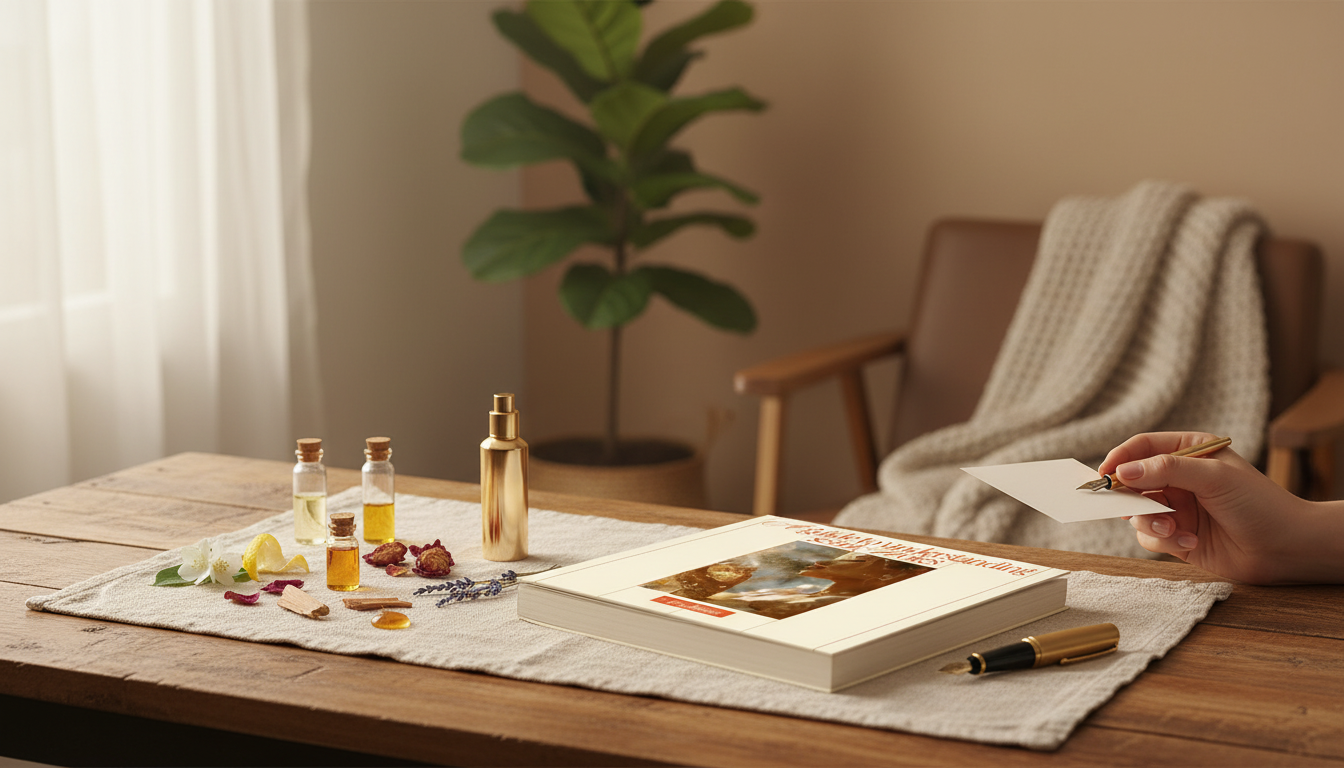
If you prefer a structured path, a guided resource can make it easier to identify top/heart/base stages, recognize common families, and describe what you’re smelling without guessing. A Guide to Understanding Scent Notes – Beginner-Friendly Fragrance Ebook walks through clear definitions, examples of note pairings, and simple exercises designed to build confidence over time.
For pairing fragrance learning with seasonal planning (especially if heat changes how scents wear for you), Enjoyable Summer Destinations Without the Heat can be a handy companion for thinking about climates and comfort—two factors that often influence which note families feel best day to day.
FAQ
What’s the difference between top notes and base notes?
Top notes are the first impressions you smell right after spraying, and they fade quickly because they’re more volatile. Base notes develop later and last longer, anchoring the dry-down and often lingering on skin or clothing for hours.
Why does a fragrance smell different on skin than on a test strip?
Skin has oils, warmth, and natural chemistry that can amplify, soften, or shift certain facets as the fragrance wears. Test strips are more neutral and can show a cleaner structure, while skin reveals how the scent performs in real life.
How many sprays should a beginner use?
One to three sprays is a practical starting range for most fragrances. Start low and adjust based on strength, concentration, setting, and weather—heavier base-driven scents often project more than fresh, top-heavy styles.
Recommended for you


Was this article helpful?
Yes
No









Leave a comment