-
Shop
- Advanced Technologies
- AI Skills
- Apple Accessories
- Arts, Crafts & Hobbies
- Bathroom
- Beauty
- Best-Sellers
- Car Accessories
- Car Buying & Ownership
- Confidence
- Dating & Social Skills
- Digital Resources
- Education & Learning
- Family & Parenting
- Fashion
- Alexander McQueen
- Bags & Wallets
- Balenciaga
- Belts
- Blazers
- Bottega Veneta
- Bottoms
- Brunello Cucinelli
- Burberry
- Chanel
- Chloé
- Dior
- Dolce & Gabbana
- Dresses
- Etro
- Fendi
- Gucci
- Hats & Hair Accessories
- Hoodies & Sweatshirts
- Jacquemus
- Jewelry
- Jil Sander
- Jimmy Choo
- Kiton
- Luggage
- Men's Fashion
- Miu Miu
- Off-White
- Outerwear
- Prada
- Rick Owens
- Saint Laurent
- Scarves
- Shoe Accessories
- Shoes
- Skirts
- Socks & Tights
- Sunglasses
- Sweaters & Cardigans
- The Row
- Tom Ford
- Tops & Shirts
- Valentino
- Valentino Garavani
- Versace
- Vivienne Westwood
- Watches
- Fashion Accessories
- Furniture
- Gadgets
- Gift Ideas
- Gifts
- Health & Beauty
- Health & Wellness
- Home & Garden
- Home & Kitchen
- Home Electronics
- Home Styling & Organization
- Home Supplies
- Kids & Babies
- Kids & Babies
- Kitchen
- Lighting
- Nike
- Parenting & Child Development
- Patio, Lawn & Garden
- Personal Growth
- Personal Style & Fashion
- Pet Care
- Pet Lifestyle & Wellness
- Pet Supplies
- Pets
- Sport & Outdoors
- Super Deals
- Travel
- Travel & Adventure
- Wealth
- Wellness
- Popular
- Best deals
Titanium Heat Exchanger Pots: How They Boost Efficiency
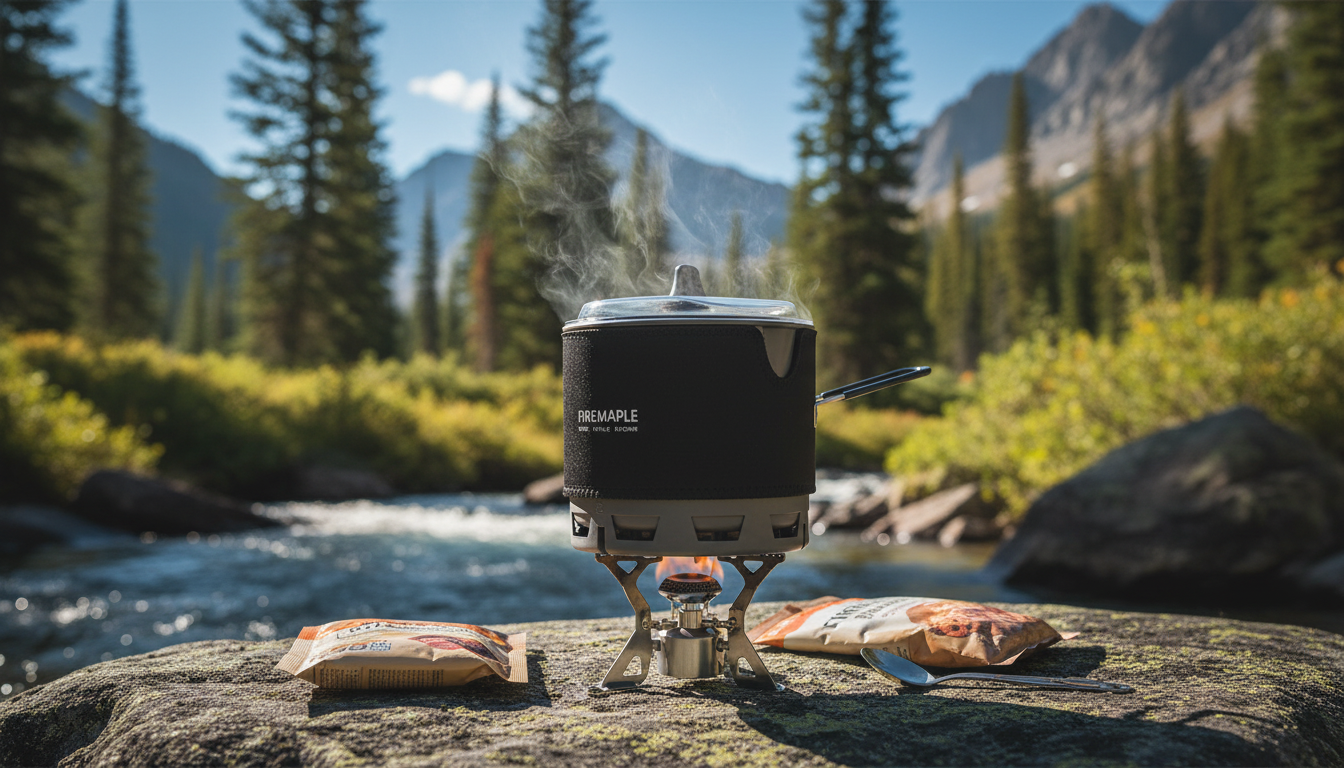
What is a titanium heat exchanger?
A titanium heat exchanger is a built-in heat-transfer feature—usually a finned ring mounted under a titanium pot or cup—that captures more heat from a stove’s flame and directs it into the water or food inside. Instead of letting hot gases slide past the sides and disappear into the air, the exchanger increases the surface area in contact with those hot gases, helping the pot absorb energy faster and more efficiently.
On backpacking cookware, you’ll most often see a heat exchanger as a set of metal fins or a corrugated “radiator” around the base. When the flame hits those fins, more heat is pulled into the pot’s bottom, which can reduce boil times and, in many setups, reduce fuel consumption—especially in breezy conditions where heat loss is common.
Why titanium?
Titanium is popular for ultralight cooking because it’s strong for its weight, resists corrosion, and holds up well to repeated heating and cooling. Pairing titanium with a heat exchanger aims to keep the weight savings of titanium while improving real-world stove efficiency—useful when you’re trying to boil water quickly for coffee, freeze-dried meals, or simple one-pot dinners.
What to expect in use
A heat exchanger pot can feel more “forgiving” on the trail: you may be able to run a slightly lower flame and still reach a boil quickly. That said, it’s still smart to match the pot to your stove and windscreen setup, since airflow and flame pattern affect how much the exchanger can help.
For a practical look at how an ultralight 750ml titanium heat exchanger pot is designed for faster trail boils, see the full guide here: https://valorane.com/guide-ultralight-750ml-heat-exchanger-pot-for-faster-trail-boils/.
FAQ
Do heat exchanger pots save fuel?
Often, yes. By grabbing more heat from the flame, they can bring water to a boil with less wasted energy, which can translate into fewer grams of fuel used over multiple boils.
Recommended for you

Was this article helpful?
Yes
No









Leave a comment